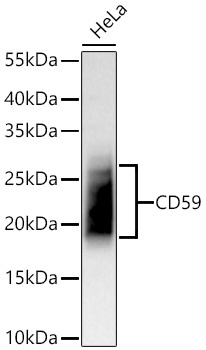
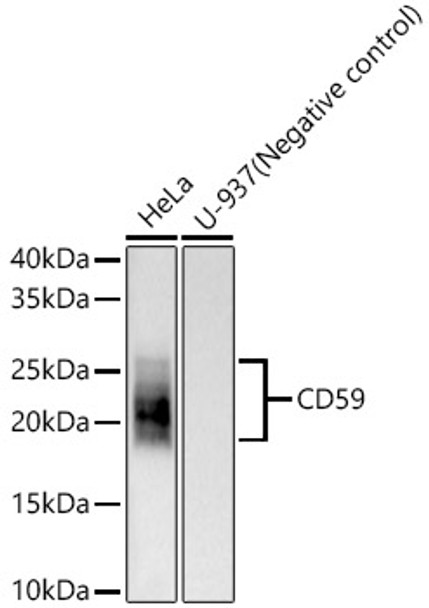
Western blot analysis of various lysates, using CD59 Rabbit mAb (CAB22667) at 1:2000 dilution. Secondary antibody: HRP Goat Anti-Rabbit IgG (H+L) at 1:10000 dilution. Lysates/proteins: 25μg per lane. Blocking buffer: 3% nonfat dry milk in TBST.
The CD59 Monoclonal Antibody (CAB22667) is a high-quality antibody developed for reliable detection and analysis of target proteins. This antibody, produced using hybridoma technology, is highly specific for human CD59 and has been validated for use in various applications such as immunohistochemistry and flow cytometry.CD59, also known as protectin, is a crucial regulator of the complement system, preventing the formation of the membrane attack complex and protecting cells from damage. Dysregulation of CD59 has been implicated in various diseases, including autoimmune disorders and neurodegenerative conditions.
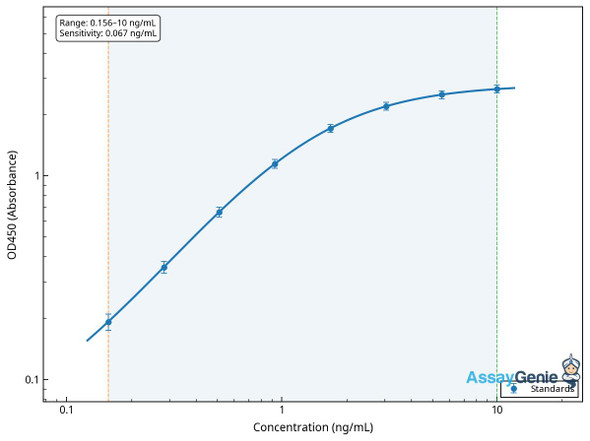
This antibody is validated for use in WB, ELISA applications and has demonstrated reactivity against Human samples.
Product Name:
CD59 Monoclonal Antibody
SKU:
CAB22667
Size:
20μL, 100μL
Reactivity:
Human
Clone Number:
ARC56723
Conjugate:
Unconjugated
Immunogen:
Synthetic peptide. This information is considered to be commercially sensitive.
Tested Applications:
WBELISA
Recommended Dilution:
WB
1:2000 - 1:10000
ELISA
Recommended starting concentration is 1 μg/mL. Please optimize the concentration based on your specific assay requirements.
This gene encodes a cell surface glycoprotein that regulates complement-mediated cell lysis, and it is involved in lymphocyte signal transduction. This protein is a potent inhibitor of the complement membrane attack complex, whereby it binds complement C8 and/or C9 during the assembly of this complex, thereby inhibiting the incorporation of multiple copies of C9 into the complex, which is necessary for osmolytic pore formation. This protein also plays a role in signal transduction pathways in the activation of T cells. Mutations in this gene cause CD59 deficiency, a disease resulting in hemolytic anemia and thrombosis, and which causes cerebral infarction. Multiple alternatively spliced transcript variants, which encode the same protein, have been identified for this gene.
Purification Method
Affinity purification
Gene ID
966
Buffer Information
Store at -20℃. Avoid freeze / thaw cycles. Buffer: PBS with 0.09% Sodium azide,0.05% BSA,50% glycerol,pH7.3.
Western blot analysis of lysates from HeLa cells using CD59 Rabbit mAb (CAB22667) at 1:5000 dilution incubated overnight at 4℃. Secondary antibody: HRP-conjugated Goat anti-Rabbit IgG (H+L) (CABS014) at 1:10000 dilution. Lysates/proteins: 25 μg per lane. Blocking buffer: 3% nonfat dry milk in TBST. Detection: ECL Basic Kit (AbGn00020). Exposure time: 20 s.




![Anti-CD59 [R02-3F9] Monoclonal Antibody (AGMB02861)](https://cdn11.bigcommerce.com/s-h68l9z2lnx/images/stencil/590x590/products/274150/680163/anti-cd59-r02-3f9-monoclonal-antibody-agmb02861__33887.1773041191.jpg?c=2 "Anti-CD59 [R02-3F9] Monoclonal Antibody (AGMB02861)")