100% Quality Guarantee
PhD-Level Technical Support
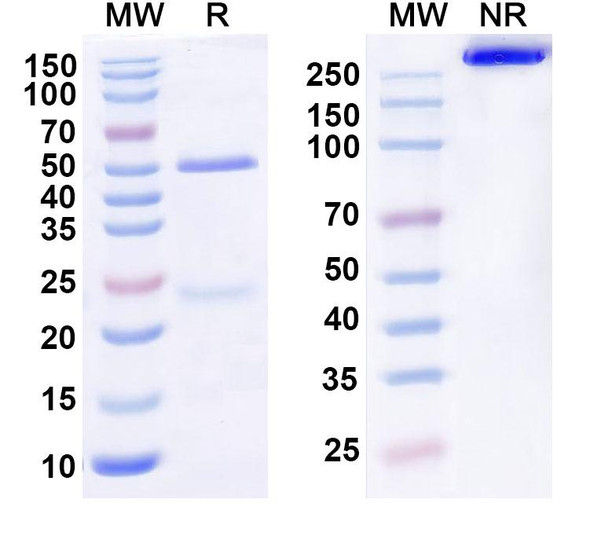
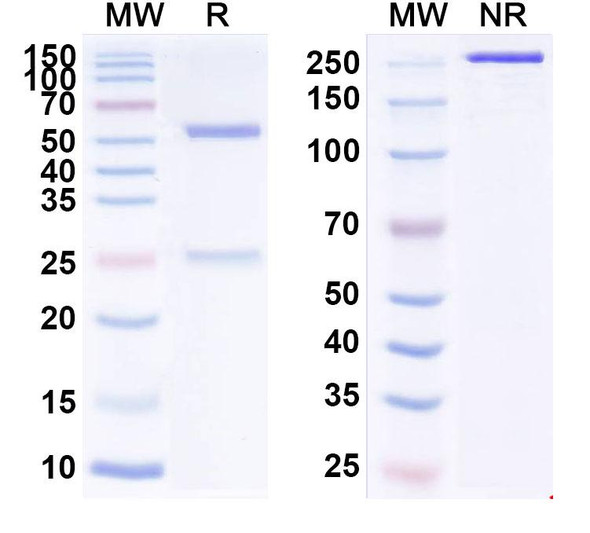
Anti-HPV52 E7/Protein E7 Recombinant Monoclonal Antibody (SAA2472) - SDS-PAGE
Key Features

Anti-HPV52 E7/Protein E7 Recombinant Monoclonal Antibody (SAA2472) (GXRM04607)

SKU GXRM04607
Product Type Antibody
Antibody Type Monoclonal
Host Species Mouse
Reactivity Human papillomavirus 52 (HPV52)
Applications ELISA, IHC, WB
Clone ID SAA2472
Isotype IgG2a, kappa
$430 - $2,730

Request a formal quotation

A PDF quote with its own quote number, ready for your purchasing office to raise a PO against. Back within 4 working hours, from a PhD scientist — not an autoresponder.

  • PO-ready PDFQuote number, VAT, Incoterms
  • Volume pricing appliedDiscounts from 2 kits up
  • Valid 30 daysPrices held while you get sign-off
Anything we should know? optional

No account needed. We use your details only to prepare and send this quote. If it's urgent, say so in the box and we'll come back the same working day.

Global Shipping: 80+ Countries
White Glove Service: Available upon request
Batch Consistency: Contact Sales
Distributors: 60+ Countries

Description

Anti-HPV52 E7/Protein E7 Recombinant Monoclonal Antibody (SAA2472)

Anti-HPV52 E7/Protein E7 Recombinant Monoclonal Antibody (SAA2472) is a recombinant monoclonal antibody targeting HPV52 E7/Protein E7 (clone SAA2472). It is a mouse IgG2a, kappa antibody. Reactivity: Human papillomavirus type 52 (HPV52). Supplied as a liquid in 0.01M PBS, pH 7.4. Applications: ELISA and immunohistochemistry. Endotoxin: <10 EU/mg. Purity: >95% purity as determined by SDS-PAGE. For research use only.

Protein E7 is a ~11 kDa protein. Plays a role in viral genome replication by driving entry of quiescent cells into the cell cycle. Stimulation of progression from G1 to S phase allows the virus to efficiently use the cellular DNA replicating machinery to achieve viral genome replication. E7 protein has both transforming and trans-activating activities. Induces the disassembly of the E2F1 transcription factor from RB1, with subsequent transcriptional activation of E2F1-regulated S-phase genes. Interferes with host histone deacetylation mediated by HDAC1 and HDAC2, leading to transcription activation.

View AllClose

0 Reviews

0
Based on 0 reviews

No reviews yet. Be the first to share your experience!

View AllClose