100% Quality Guarantee
PhD-Level Technical Support
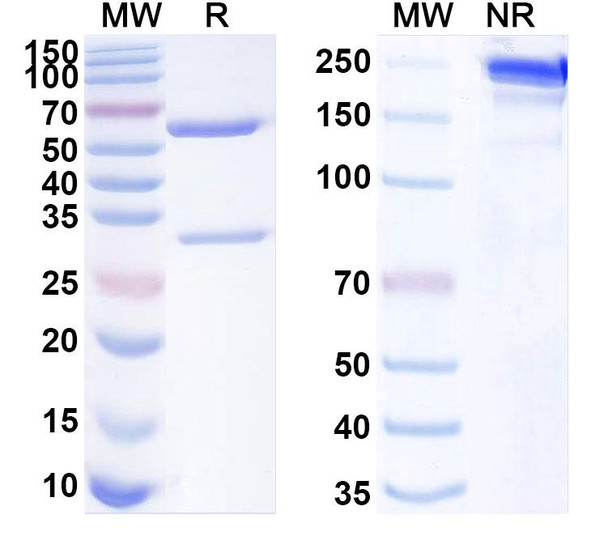
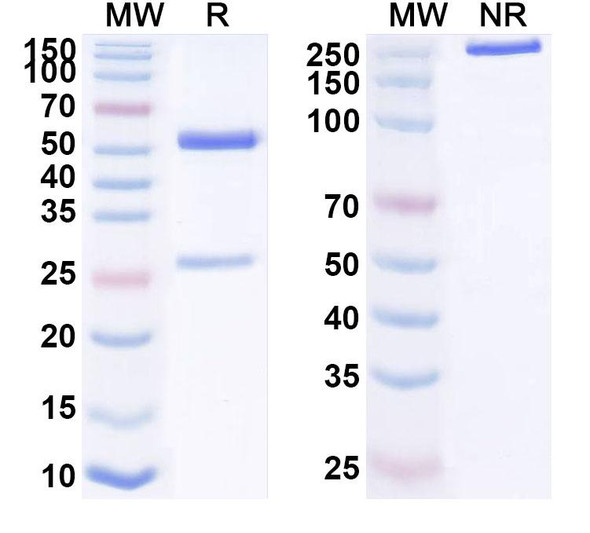
Anti-Mouse COMP Recombinant Monoclonal Antibody (15A11) - SDS-PAGE
Key Features

Anti-Mouse COMP Recombinant Monoclonal Antibody (15A11) (GXRM00539)

SKU GXRM00539
Product Type Antibody
Antibody Type Monoclonal
Host Species Mouse
Reactivity Mouse, Rat
Applications ELISA, IHC
Clone ID 15A11
Isotype IgG1
€326 - €2,068

Request a formal quotation

A PDF quote with its own quote number, ready for your purchasing office to raise a PO against. Back within 4 working hours, from a PhD scientist — not an autoresponder.

  • PO-ready PDFQuote number, VAT, Incoterms
  • Volume pricing appliedDiscounts from 2 kits up
  • Valid 30 daysPrices held while you get sign-off
Anything we should know? optional

No account needed. We use your details only to prepare and send this quote. If it's urgent, say so in the box and we'll come back the same working day.

Global Shipping: 80+ Countries
White Glove Service: Available upon request
Batch Consistency: Contact Sales
Distributors: 60+ Countries

Description

Anti-Mouse COMP Recombinant Monoclonal Antibody (15A11)

Anti-Mouse COMP Recombinant Monoclonal Antibody (15A11) is a recombinant monoclonal antibody targeting Mouse COMP (clone 15A11). It is a mouse IgG1 antibody. Reactivity: Mouse, Rat. Supplied as a liquid in 0.01M PBS, pH 7.4. Applications: ELISA and immunohistochemistry. Purity: >95% as determined by SDS-PAGE. For research use only.

Cartilage oligomeric matrix protein (COMP) is a ~82 kDa protein. Plays a role in the structural integrity of cartilage via its interaction with other extracellular matrix proteins such as the collagens and fibronectin. Can mediate the interaction of chondrocytes with the cartilage extracellular matrix through interaction with cell surface integrin receptors. Could play a role in the pathogenesis of osteoarthritis. Potent suppressor of apoptosis in both primary chondrocytes and transformed cells. Suppresses apoptosis by blocking the activation of caspase-3 and by inducing the IAP family of survival proteins (BIRC3, BIRC2, BIRC5 and XIAP).

View AllClose

0 Reviews

0
Based on 0 reviews

No reviews yet. Be the first to share your experience!

View AllClose