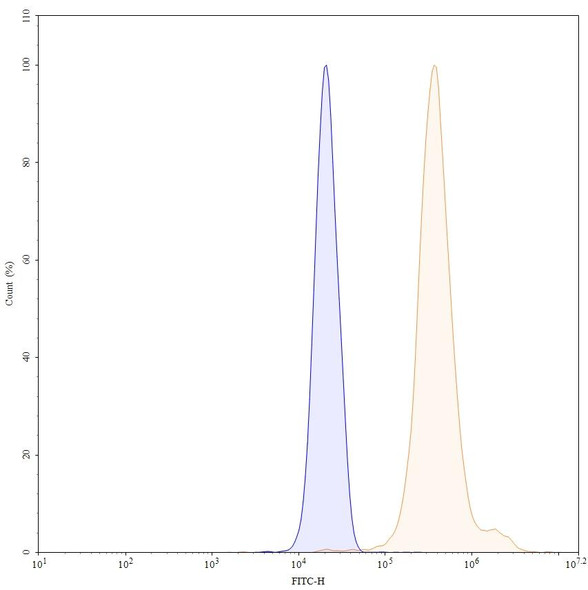
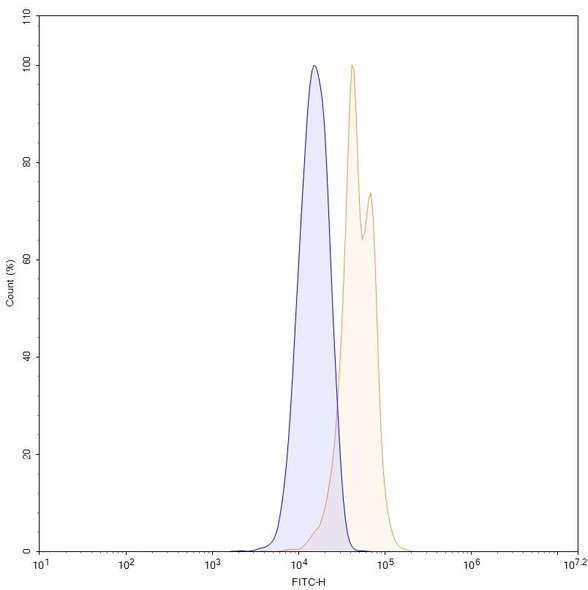
Bezeotermin alfa (Research-Grade) is a research-grade biosimilar monoclonal antibody targeting bone morphogenetic protein 6/BMP6. Reactivity: Human. Supplied as a lyophilized in Lyophilized from a solution in PBS pH 7.4, 1 mM EDTA, 4% Trehalose, 1% Mannitol. Applications: ELISA, functional assays and in vivo research. Endotoxin: < 10 EU/mg. Purity: >95% as determined by SDS-PAGE. For research use only.
Bone morphogenetic protein 6 (BMP6) is a ~57 kDa protein. Growth factor of the TGF-beta superfamily that plays essential roles in many developmental processes including cartilage and bone formation. Also plays an important role in the regulation of HAMP/hepcidin expression and iron metabolism by acting as a ligand for hemojuvelin/HJV. Also acts to promote expression of HAMP, potentially via the interaction with its receptor BMPR1A/ALK3. Initiates the canonical BMP signaling cascade by associating with type I receptor ACVR1 and type II receptor ACVR2B. In turn, ACVR1 propagates signal by phosphorylating SMAD1/5/8 that travel to the nucleus and act as activators and repressors of transcription of target.
Product Name:
Bezeotermin alfa (Research-Grade)
SKU:
GXBS02550
Size:
100 µg, 1 mg
Antibody Type:
Monoclonal Antibody
Target:
bone morphogenetic protein 6/BMP6
Host Species:
Human
Reactivity:
Human
Applications:
ELISA, Functional assay, Research in vivo
Synonyms:
2935496-94-7
Purity:
>95% as determined by SDS-PAGE.
Endotoxin Level:
< 10 EU/mg
Formulation:
Lyophilized from a solution in PBS pH 7.4, 1 mM EDTA, 4% Trehalose, 1% Mannitol.
State of Matter:
Lyophilized
Regulatory Status:
For research use only. Not suitable for clinical or therapeutic use.
Storage and Handling:
Store at 2 to 8°C for frequent use. Store at -20 to -80°C for twelve months from the date of receipt.