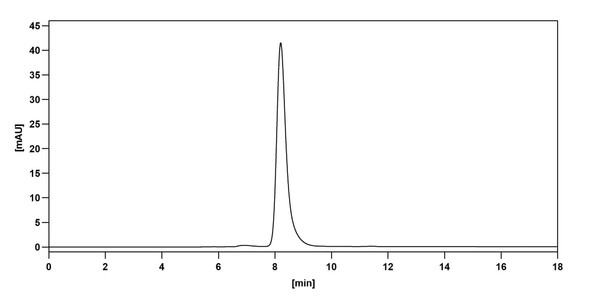
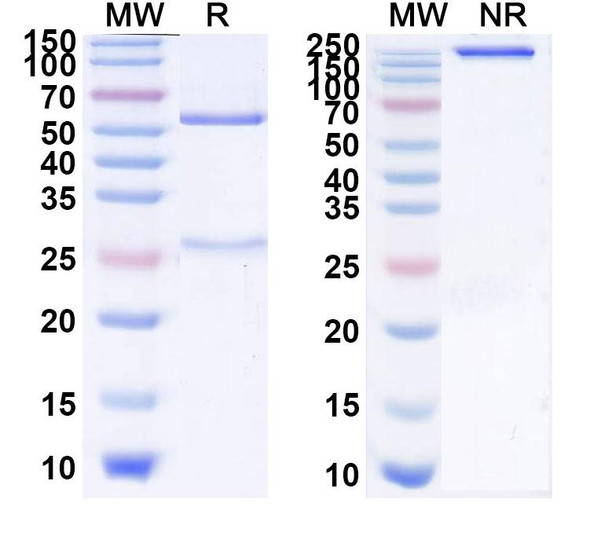
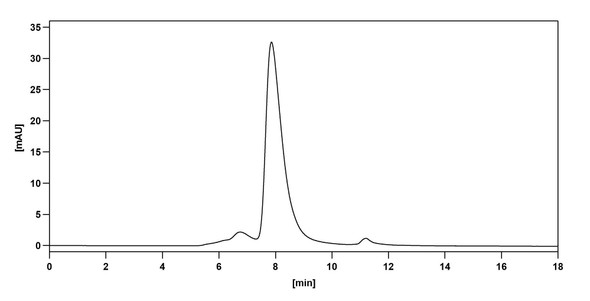
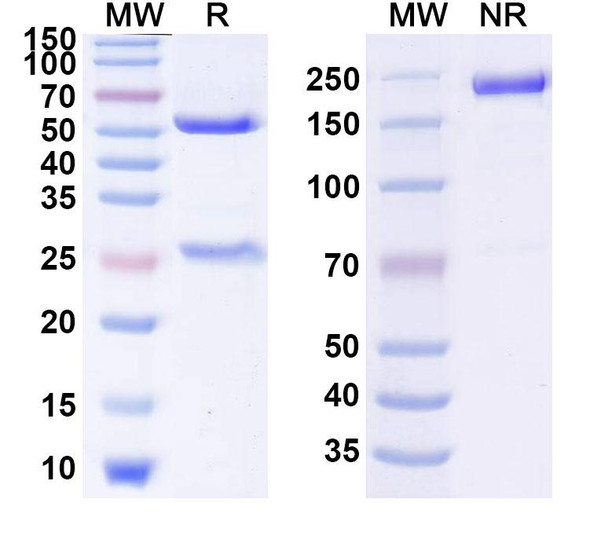
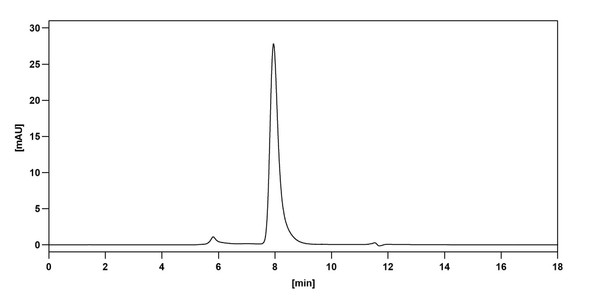
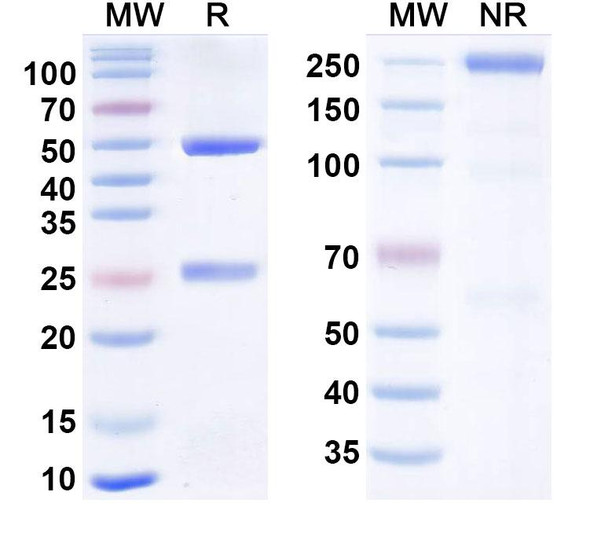
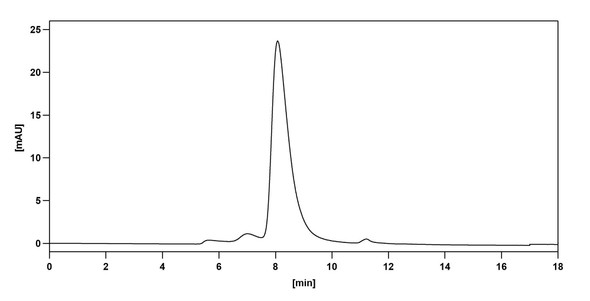
Corveldebart Antibody is a research-grade biosimilar monoclonal antibody. It is a human IgG1, kappa antibody. Reactivity: Human. Supplied as a liquid in 0.01M PBS pH 7.4. Applications: ELISA, flow cytometry, functional assays and in vivo research. Endotoxin: < 10 EU/mg. Purity: >95% as determined by SDS-PAGE. For research use only.
Angiopoietin-related protein 4 (ANGPTL4) is a ~45 kDa protein. Mediates inactivation of the lipoprotein lipase LPL, and thereby plays a role in the regulation of triglyceride clearance from the blood serum and in lipid metabolism. May also play a role in regulating glucose homeostasis and insulin sensitivity (Probable). Inhibits proliferation, migration, and tubule formation of endothelial cells and reduces vascular leakage. Upon heterologous expression, inhibits the adhesion of endothelial cell to the extracellular matrix (ECM), and inhibits the reorganization of the actin cytoskeleton, formation of actin stress fibers and focal adhesions in endothelial cells that have adhered to ANGPTL4-containing ECM (in vitro). Depending on context, may modulate tumor-related angiogenesis.
Product Name:
Corveldebart Antibody
SKU:
GXBS02795
Size:
100 µg, 1 mg
Antibody Type:
Monoclonal Antibody
Isotype:
IgG1, kappa
Host Species:
Human
Reactivity:
Human
Applications:
ELISA, FCM, Functional assay, Research in vivo
Recommended Dilutions:
ELISA: 1:2000-1:20000
Purity:
>95% as determined by SDS-PAGE.
Endotoxin Level:
< 10 EU/mg
Formulation:
0.01M PBS pH 7.4.
State of Matter:
Liquid
Regulatory Status:
For research use only.
Product Preparation:
Protein A/G purified from cell culture supernatant.
Storage and Handling:
Store at 2 to 8°C for frequent use. Store at -20 to -80°C for twelve months from the date of receipt.