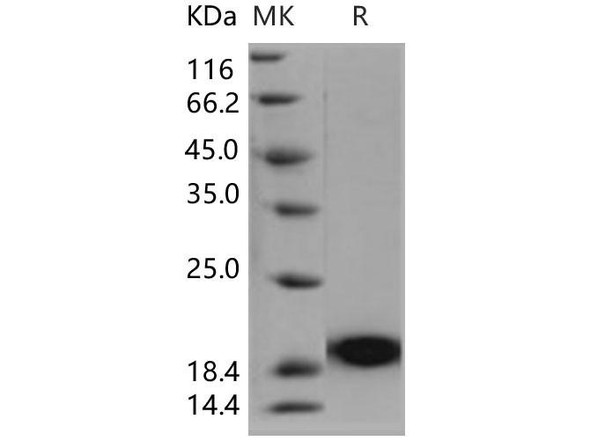
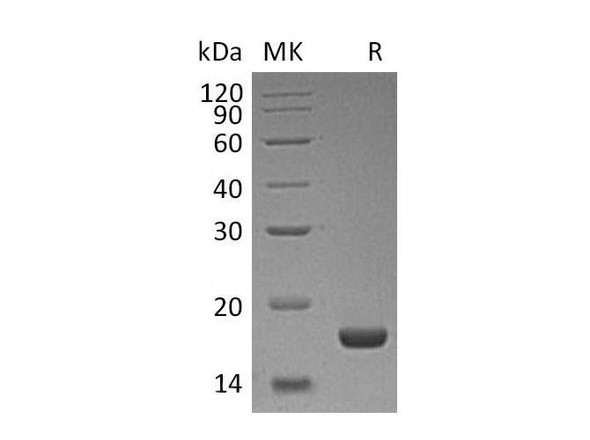
Human PLA2G1B/PLA2 (DIACC 1010) Antibody is a research-grade biosimilar monoclonal antibody targeting Phospholipase A2. It is a human IgG antibody. Reactivity: Human. Supplied as a liquid in 0.01M PBS pH 7.4. Applications: ELISA, flow cytometry, functional assays and in vivo research. Endotoxin: < 10 EU/mg. Purity: >95% purity as determined by SDS-PAGE. For research use only.
Phospholipase A2 (PLA2G1B/PLA2) is a ~16 kDa protein. Secretory calcium-dependent phospholipase A2 that primarily targets dietary phospholipids in the intestinal tract. Hydrolyzes the ester bond of the fatty acyl group attached at sn-2 position of phospholipids (phospholipase A2 activity) with preference for phosphatidylethanolamines and phosphatidylglycerols over phosphatidylcholines. May play a role in the biosynthesis of N-acyl ethanolamines that regulate energy metabolism and inflammation in the intestinal tract. Hydrolyzes N-acyl phosphatidylethanolamines to N-acyl lysophosphatidylethanolamines, which are further cleaved by a lysophospholipase D to release N-acyl ethanolamines. May act in an autocrine and paracrine manner.
Product Name:
Human PLA2G1B/PLA2 (DIACC 1010) Antibody
SKU:
GXBS01990
Size:
100 µg, 1 mg
Antibody Type:
Monoclonal Antibody
Clone:
DIACC 1010
Target:
Phospholipase A2
Isotype:
IgG
Host Species:
Human
Reactivity:
Human
Applications:
ELISA, FACS, Functional assay, Research in vivo
Expression Host:
Mammalian cells
Synonyms:
DIACC-1010, DIACC1010, DIACC1010
Purity:
>95% purity as determined by SDS-PAGE.
Endotoxin Level:
< 10 EU/mg
Formulation:
0.01M PBS pH 7.4
State of Matter:
Liquid
Regulatory Status:
For research use only. Not suitable for clinical or therapeutic use.
Product Preparation:
Protein A/G purified from cell culture supernatant.
Storage and Handling:
Store at 2 to 8°C for frequent use. Store at -20 to -80°C for twelve months from the date of receipt.