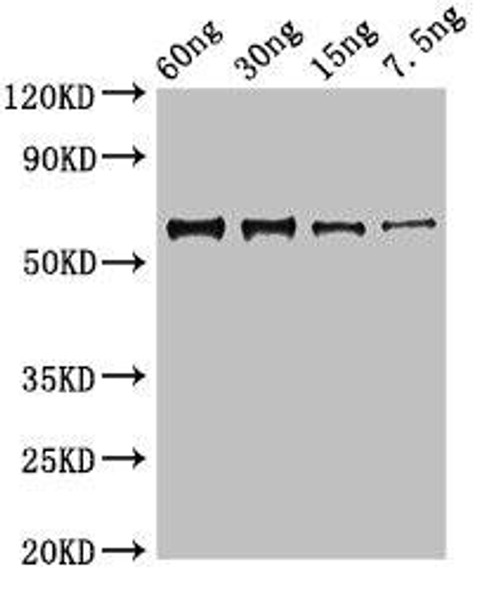
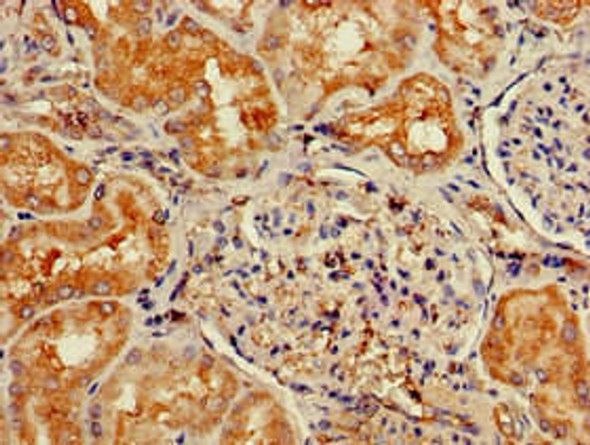
Oncolym Antibody is a research-grade biosimilar monoclonal antibody targeting HLA class II histocompatibility antigen. It is a mouse IgG2a-nd antibody. Reactivity: Human. Supplied as a liquid in 0.01M PBS pH 7.4. Applications: ELISA, flow cytometry, functional assays and in vivo research. Endotoxin: < 10 EU/mg. Purity: >95% purity as determined by SDS-PAGE. For research use only.
HLA class II histocompatibility antigen, DRB1 beta chain (HLA-DR10) is a ~29 kDa protein. A beta chain of antigen-presenting major histocompatibility complex class II (MHCII) molecule. In complex with the alpha chain HLA-DRA, displays antigenic peptides on professional antigen presenting cells (APCs) for recognition by alpha-beta T cell receptor (TCR) on HLA-DRB1-restricted CD4-positive T cells. This guides antigen-specific T-helper effector functions, both antibody-mediated immune response and macrophage activation, to ultimately eliminate the infectious agents and transformed cells. Typically presents extracellular peptide antigens of 10 to 30 amino acids that arise from proteolysis of endocytosed antigens in lysosomes. In the tumor microenvironment, presents antigenic peptides that are primarily generated in tumor-resident APCs likely via phagocytosis of apoptotic tumor cells or macropinocytosis of secreted tumor proteins.
Product Name:
Oncolym Antibody
SKU:
GXBS00639
Size:
100 µg, 1 mg
Antibody Type:
Monoclonal Antibody
Target:
HLA class II histocompatibility antigen
Isotype:
IgG2a-nd
Host Species:
Mouse
Reactivity:
Human
Applications:
ELISA, FACS, Functional assay, Research in vivo
Expression Host:
Mammalian cells
Synonyms:
Iodine131-ILym-1, Lym-1, Oncolym
Purity:
>95% purity as determined by SDS-PAGE.
Endotoxin Level:
< 10 EU/mg
Formulation:
0.01M PBS pH 7.4
State of Matter:
Liquid
Regulatory Status:
For research use only. Not suitable for clinical or therapeutic use.
Product Preparation:
Protein A/G purified from cell culture supernatant.
Storage and Handling:
Store at 2 to 8°C for frequent use. Store at -20 to -80°C for twelve months from the date of receipt.