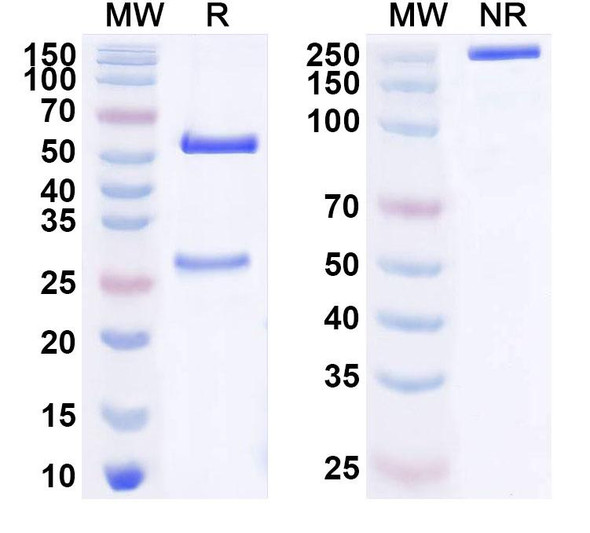
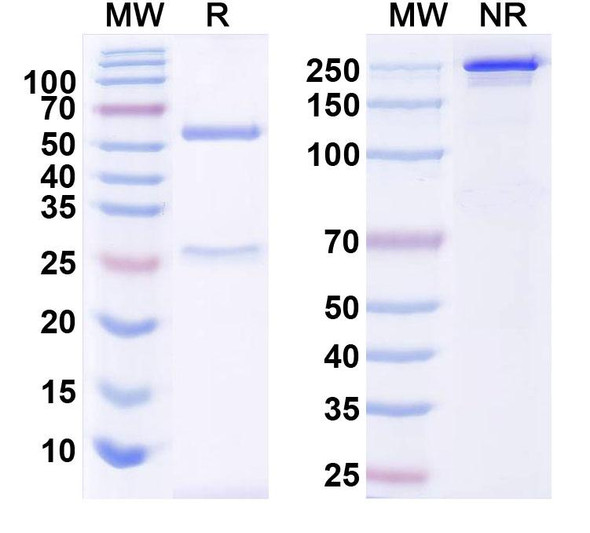
The Recombinant PINK1 Monoclonal Antibody is a recombinant rabbit monoclonal antibody (clone C171009) against PINK1. This gene encodes a serine/threonine protein kinase that localizes to mitochondria. It is thought to protect cells from stress-induced mitochondrial dysfunction. Mutations in this gene cause one form of autosomal recessive early-onset Parkinson disease. Produced by recombinant technology in Rabbit hosts and purified by Protein A affinity chromatography, this Rabbit IgG antibody is reactive against Human, Mouse and Rat samples.
This antibody is suitable for WB, IF, IP and ELISA applications. It has been validated by WB analysis of HeLa. The target is localized to the mitochondrion outer membrane, single-pass membrane protein, mitochondrion inner membrane, single-pass membrane protein, cytoplasm, cytosol, Localizes mostly in mitochondrion and the two smaller proteolytic processed fragments localize mainly in cytosol (PubMed:19229105). When mitochondria lose mitochondrial membrane potential following damage, PINK1 import is arrested, which induces its accumulation in the outer mitochondrial membrane, where it acquires kinase activity (PubMed:18957282).