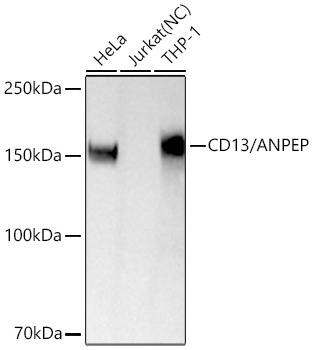
Western blot analysis of extracts of various cell lines, using CD13/ANPEP antibody (CAB21268) at1:40000 dilution. Secondary antibody: HRP Goat Anti-Rabbit IgG (H+L) at 1:10000 dilution. Lysates/proteins: 25μg per lane. Blocking buffer: 3% nonfat dry milk in TBST.
The CD13/ANPEP Monoclonal Antibody (CAB21268) is a high-quality antibody developed for reliable detection and analysis of target proteins. This cell surface molecule plays a role in various physiological processes, including cellular signaling, angiogenesis, and immune response. The antibody, produced using monoclonal technology, shows high specificity and sensitivity for human samples and has been validated for use in a variety of applications, including immunofluorescence and flow cytometry.CD13 is a multifunctional enzyme involved in the metabolism of peptides and plays a critical role in various disease processes, such as cancer progression and viral infections.
This antibody is validated for use in WB, IHC-P, FC, ELISA applications and has demonstrated reactivity against Human samples.
Product Name:
CD13/ANPEP Monoclonal Antibody
SKU:
CAB21268
Size:
20μL, 100μL
Reactivity:
Human
Clone Number:
ARC53706
Conjugate:
Unconjugated
Immunogen:
Recombinant protein (or fragment).This information is considered to be commercially sensitive.
Cell Membrane, Cytoplasm, Single-Pass Type Ii Membrane Protein, Cytosol.
Calculated MW:
110kDa
Observed MW:
160kDa
Aminopeptidase N is located in the small-intestinal and renal microvillar membrane, and also in other plasma membranes. In the small intestine aminopeptidase N plays a role in the final digestion of peptides generated from hydrolysis of proteins by gastric and pancreatic proteases. Its function in proximal tubular epithelial cells and other cell types is less clear. The large extracellular carboxyterminal domain contains a pentapeptide consensus sequence characteristic of members of the zinc-binding metalloproteinase superfamily. Sequence comparisons with known enzymes of this class showed that CD13 and aminopeptidase N are identical. The latter enzyme was thought to be involved in the metabolism of regulatory peptides by diverse cell types, including small intestinal and renal tubular epithelial cells, macrophages, granulocytes, and synaptic membranes from the CNS. This membrane-bound zinc metalloprotease is known to serve as a receptor for the HCoV-229E alphacoronavirus as well as other non-human coronaviruses. This gene has also been shown to promote angiogenesis, tumor growth, and metastasis and defects in this gene are associated with various types of leukemia and lymphoma.
Purification Method
Affinity purification
Gene ID
290
Buffer Information
Store at -20℃. Avoid freeze / thaw cycles. Buffer: PBS containing 50% glycerol and 0.05% BSA, preserved with proclin300 or sodium azide, pH 7.3.
Western blot analysis of various lysates using CD13/ANPEP Rabbit mAb (CAB21268) at 1:5000 dilution . Secondary antibody: HRP-conjugated Goat anti-Rabbit IgG (H+L) (CABS014) at 1:10000 dilution. Lysates/proteins: 25 μg per lane. Blocking buffer: 3% nonfat dry milk in TBST. Detection: ECL Basic Kit (AbGn00020). Negative control (NC): Jurkat. Exposure time: 90 s.
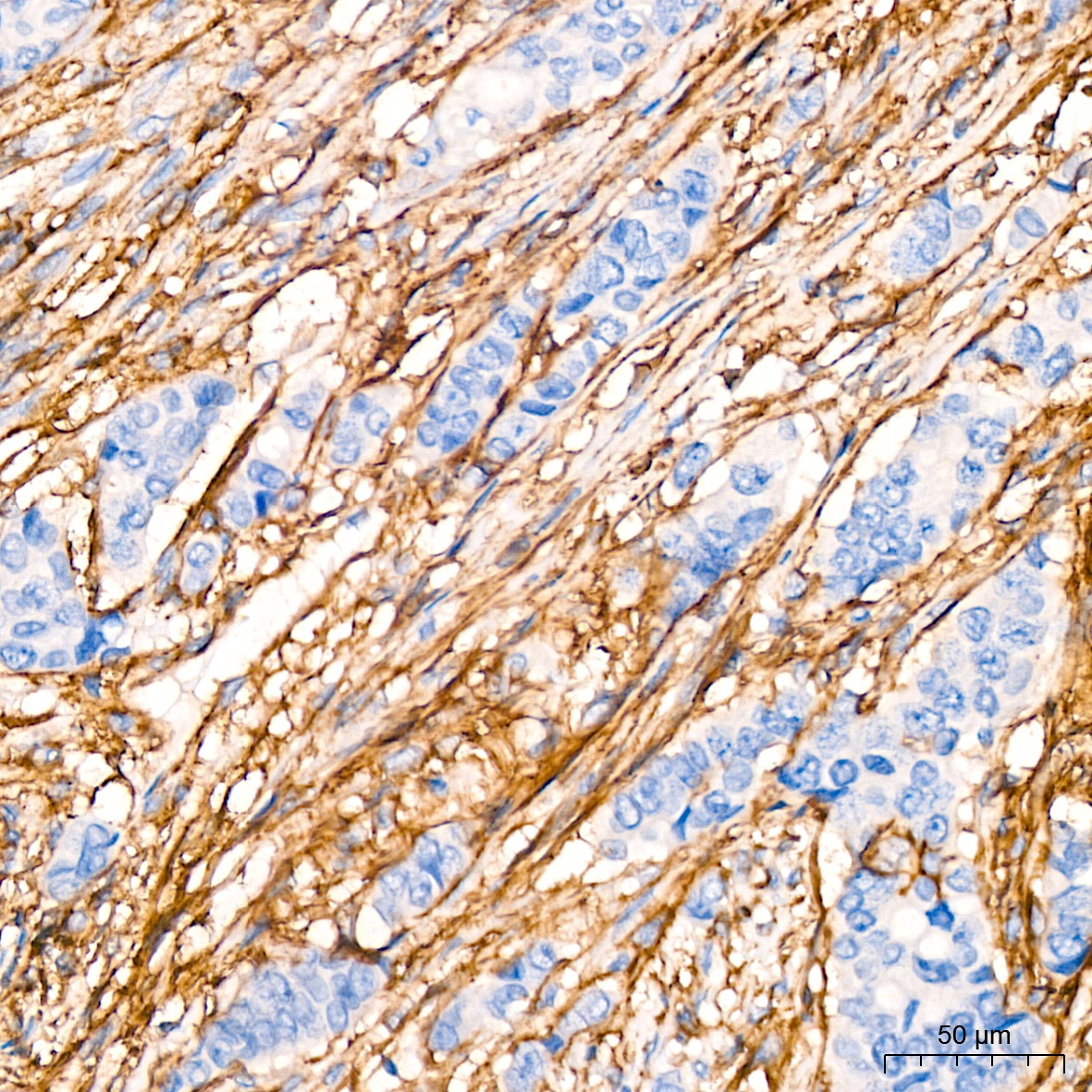
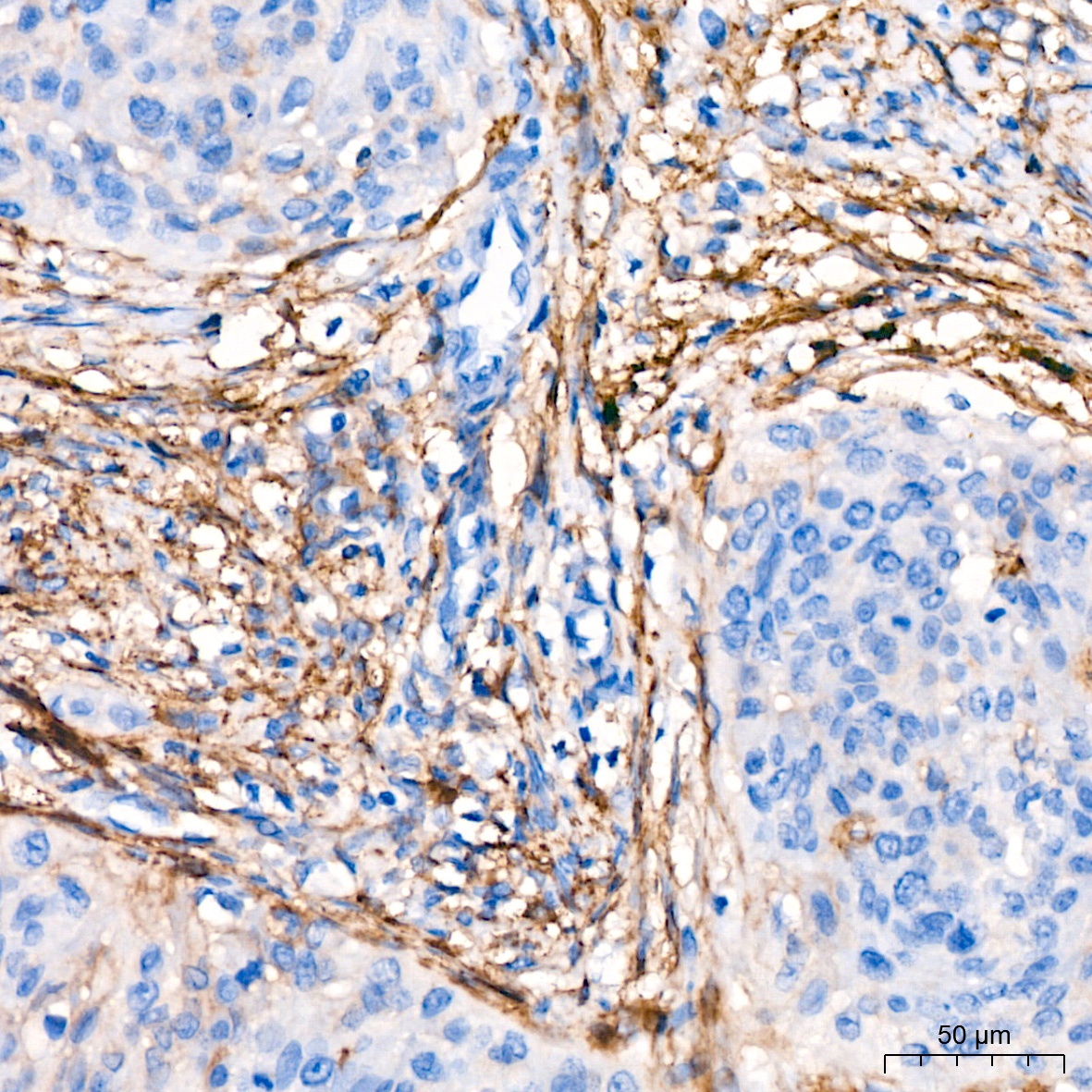
Immunohistochemistry analysis of paraffin-embedded Human breast cancer using CD13/ANPEP Rabbit mAb (CAB21268) at dilution of 1:400 (40x lens). High pressure antigen retrieval performed with 0.01M Tris/EDTA Buffer (pH 9.0) prior to IHC staining.
Immunohistochemistry analysis of paraffin-embedded Human cervical squamous cell carcinoma using CD13/ANPEP Rabbit mAb (CAB21268) at dilution of 1:400 (40x lens). High pressure antigen retrieval performed with 0.01M Tris/EDTA Buffer (pH 9.0) prior to IHC staining.
Immunohistochemistry analysis of paraffin-embedded Human colon carcinoma using CD13/ANPEP Rabbit mAb (CAB21268) at dilution of 1:400 (40x lens). High pressure antigen retrieval performed with 0.01M Tris/EDTA Buffer (pH 9.0) prior to IHC staining.
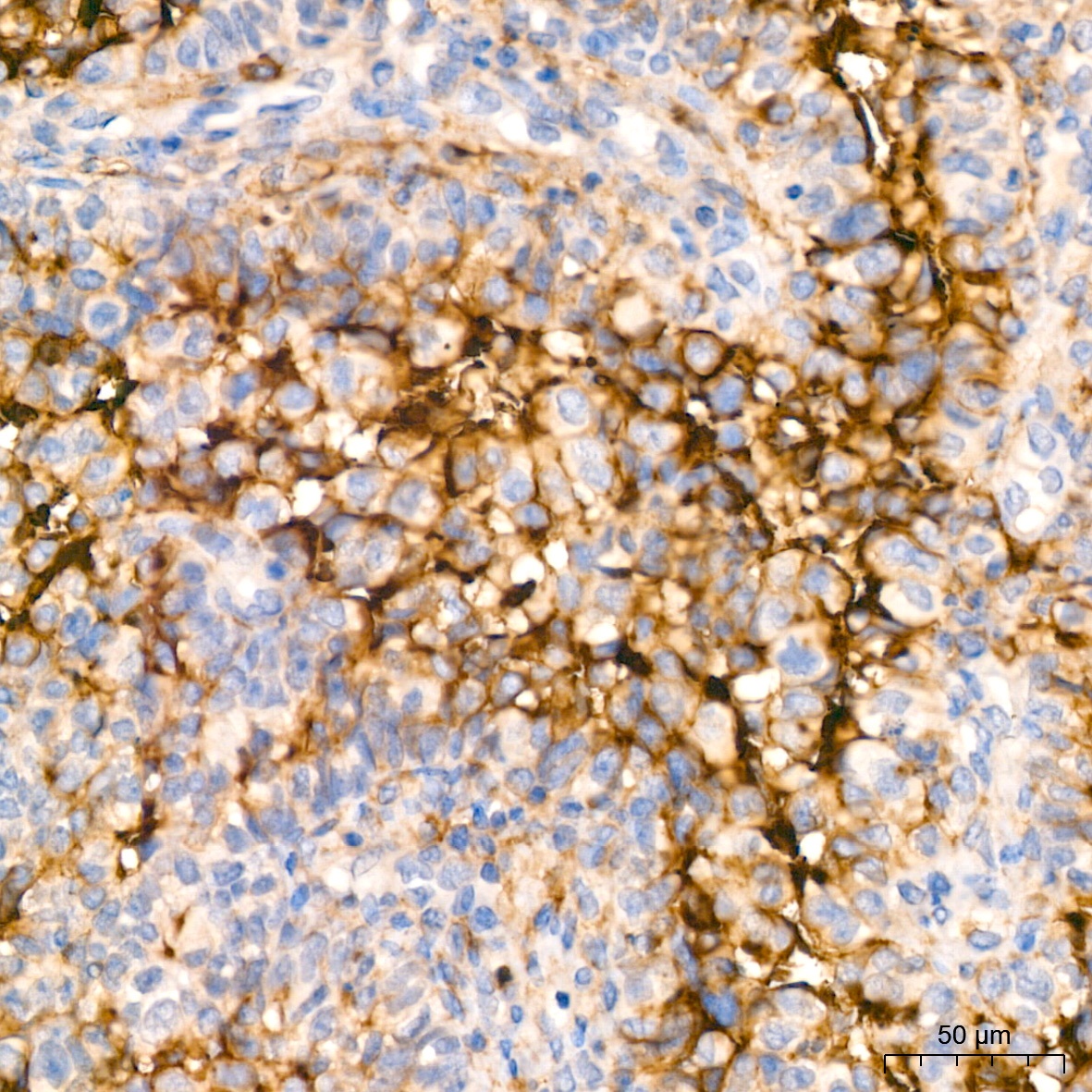
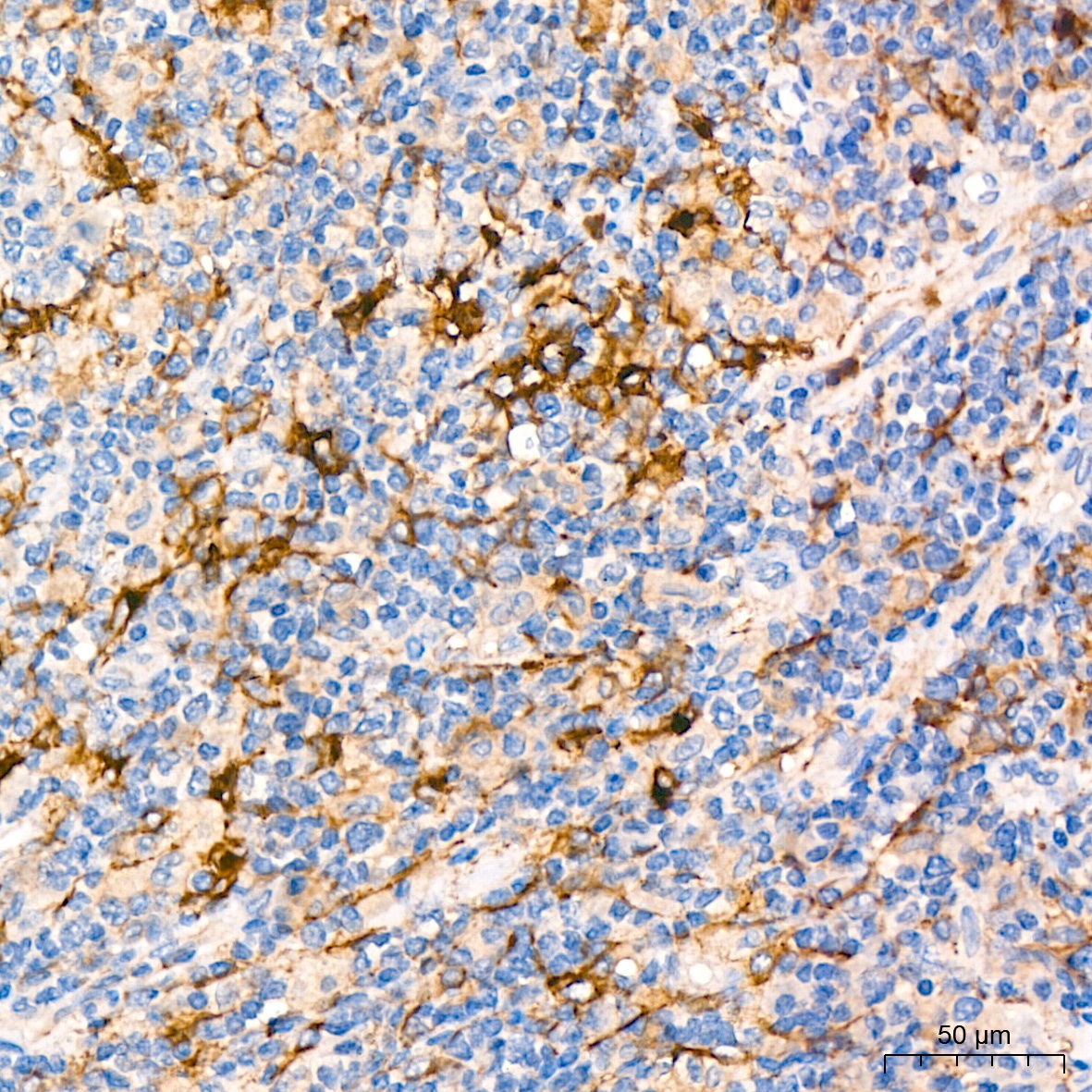
Immunohistochemistry analysis of paraffin-embedded Human extranodal NK-T cell lymphoma using CD13/ANPEP Rabbit mAb (CAB21268) at dilution of 1:400 (40x lens). High pressure antigen retrieval performed with 0.01M Tris/EDTA Buffer (pH 9.0) prior to IHC staining.
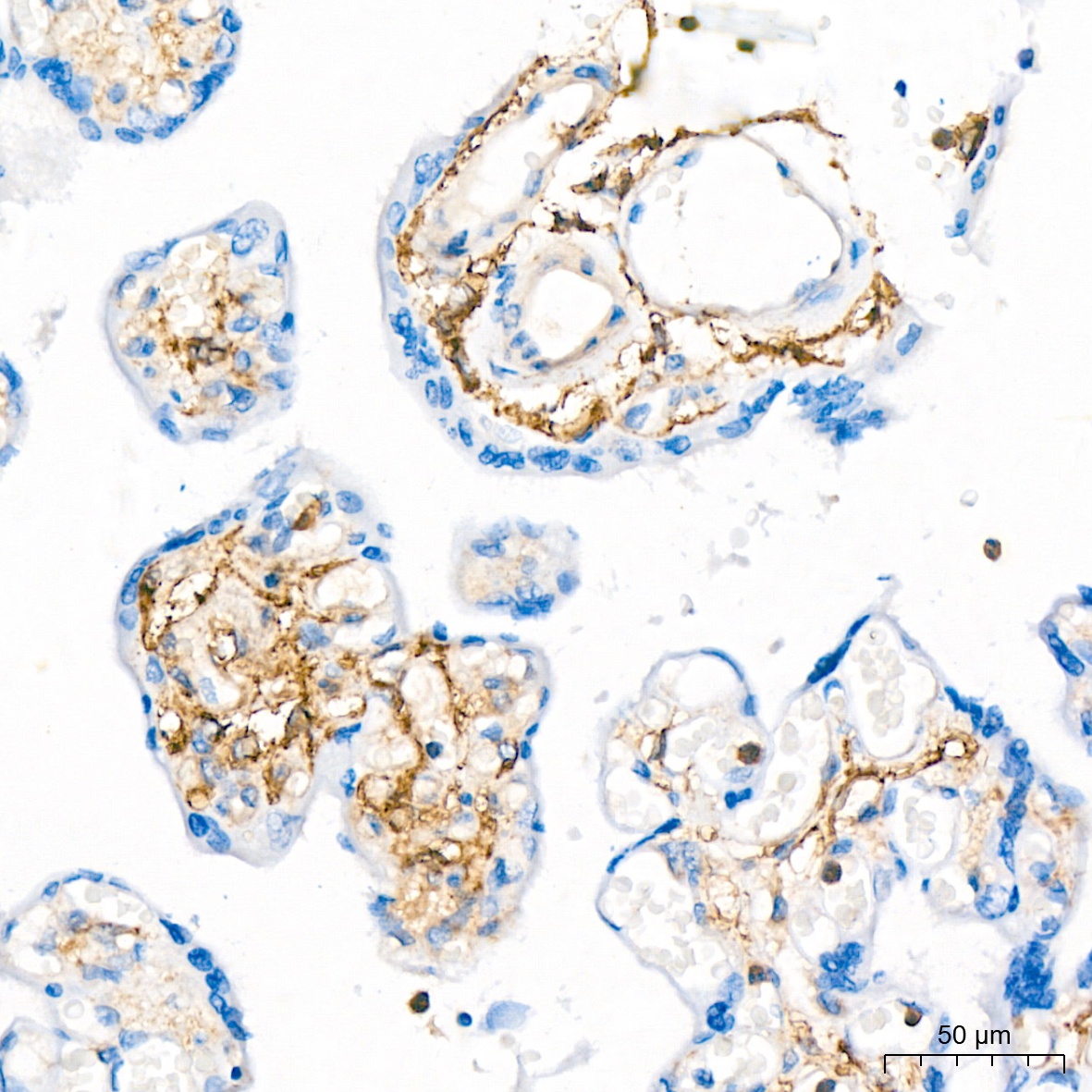
Immunohistochemistry analysis of paraffin-embedded Human placenta using CD13/ANPEP Rabbit mAb (CAB21268) at dilution of 1:400 (40x lens). High pressure antigen retrieval performed with 0.01M Tris/EDTA Buffer (pH 9.0) prior to IHC staining.
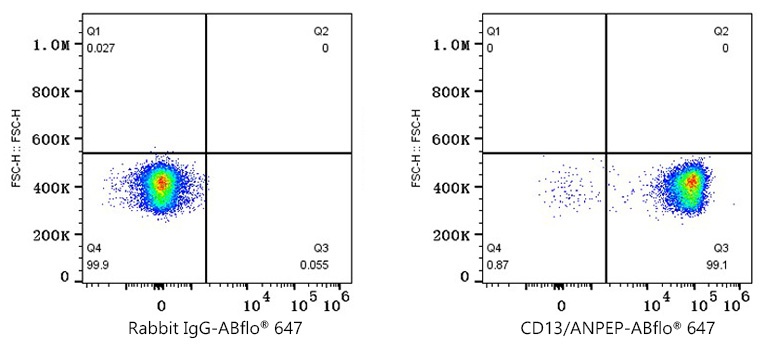
Flow cytometry: 1X10^6 Human PBMC were surface-stained with Rabbit IgG isotype control (AC042,2 μg/mL,left) or CD13/ANPEP Rabbit mAb (CAB21268,2 μg/mL,right), followed by Alexa Fluor® 647 conjugated goat anti-rabbit pAb staining. Cells in the monocyte gate were used for analysis.




![Anti-CD13 [R04-1K5] Monoclonal Antibody (AGMB02815)](https://cdn11.bigcommerce.com/s-h68l9z2lnx/images/stencil/590x590/products/274104/679708/anti-cd13-r04-1k5-monoclonal-antibody-agmb02815__77803.1773039753.jpg?c=2 "Anti-CD13 [R04-1K5] Monoclonal Antibody (AGMB02815)")
![Anti-CD13 [R07-2G8] Monoclonal Antibody (AGMB01946)](https://cdn11.bigcommerce.com/s-h68l9z2lnx/images/stencil/590x590/products/273235/678124/anti-cd13-r07-2g8-monoclonal-antibody-agmb01946__33885.1773034811.jpg?c=2 "Anti-CD13 [R07-2G8] Monoclonal Antibody (AGMB01946)")
![Anti-CD13 [R08-7M-6] Monoclonal Antibody (AGMB03551)](https://cdn11.bigcommerce.com/s-h68l9z2lnx/images/stencil/590x590/products/274840/680324/anti-cd13-r08-7m-6-monoclonal-antibody-agmb03551__90328.1773041679.jpg?c=2 "Anti-CD13 [R08-7M-6] Monoclonal Antibody (AGMB03551)")