100% Quality Guarantee
PhD-Level Technical Support
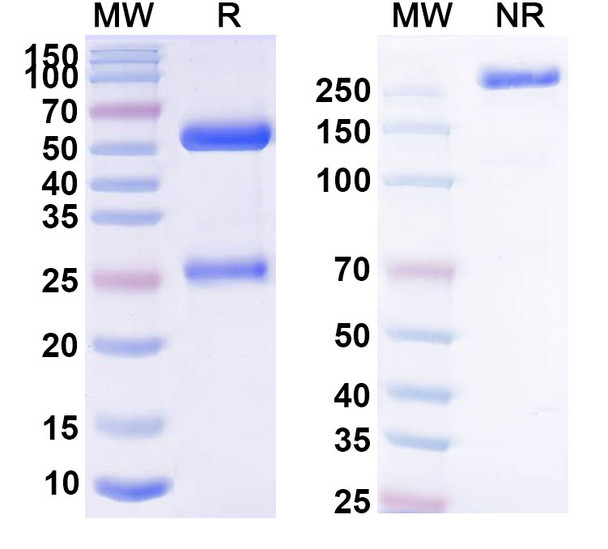
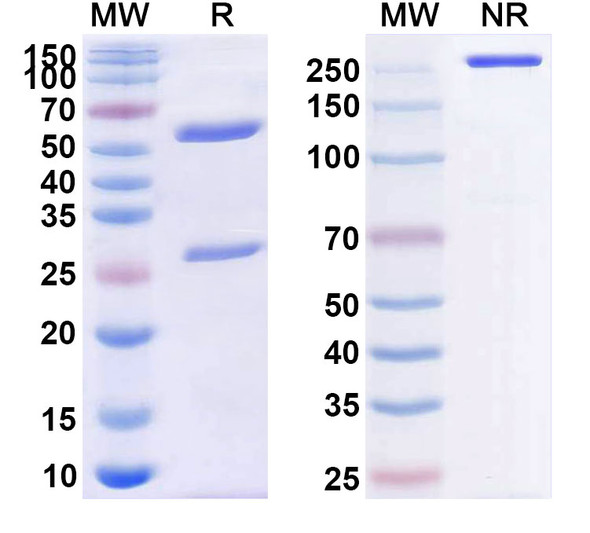
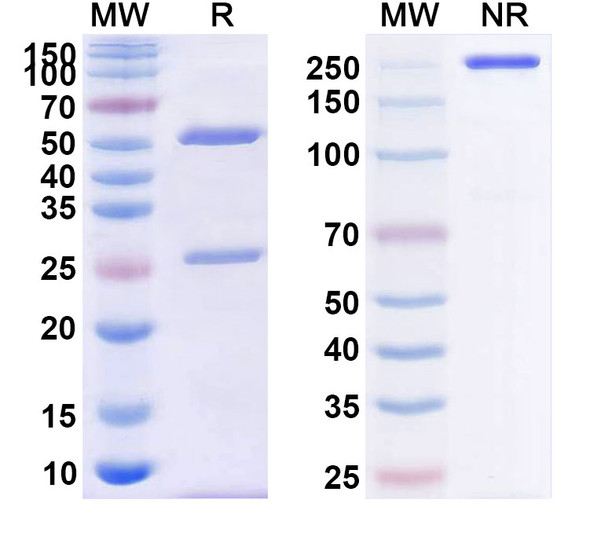
Human CD4 (Campath-9H) Antibody - SDS-PAGE
Key Features

Human CD4 (Campath-9H) Antibody (GXBS02723)

SKU GXBS02723
Product Type Research Grade Biosimilar
Antibody Type Monoclonal
Host Species Human
Reactivity Human
Applications ELISA, FCM, Functional assay, Research in vivo
Clone ID Campath-9H
Isotype IgG1-kappa
$409 - $1,138

Request a formal quotation

A PDF quote with its own quote number, ready for your purchasing office to raise a PO against. Back within 4 working hours, from a PhD scientist — not an autoresponder.

  • PO-ready PDFQuote number, VAT, Incoterms
  • Volume pricing appliedDiscounts from 2 kits up
  • Valid 30 daysPrices held while you get sign-off
Anything we should know? optional

No account needed. We use your details only to prepare and send this quote. If it's urgent, say so in the box and we'll come back the same working day.

Global Shipping: 80+ Countries
White Glove Service: Available upon request
Batch Consistency: Contact Sales
Distributors: 60+ Countries

Description

system_update_altDatasheetsystem_update_altMSDS

Human CD4 (Campath-9H) Antibody

Human CD4 (Campath-9H) Antibody is a research-grade biosimilar monoclonal antibody targeting CD4. It is a humanized IgG1-kappa antibody. Reactivity: Human. Supplied as a liquid in 0.01M PBS pH 7.4. Applications: ELISA, flow cytometry, functional assays and in vivo research. Endotoxin: < 10 EU/mg. Purity: >95% purity as determined by SDS-PAGE. For research use only.

T-cell surface glycoprotein CD4 is a ~51 kDa protein. Integral membrane glycoprotein that plays an essential role in the immune response and serves multiple functions in responses against both external and internal offenses. In T-cells, functions primarily as a coreceptor for MHC class II molecule:peptide complex. The antigens presented by class II peptides are derived from extracellular proteins while class I peptides are derived from cytosolic proteins. Interacts simultaneously with the T-cell receptor (TCR) and the MHC class II presented by antigen presenting cells (APCs). In turn, recruits the Src kinase LCK to the vicinity of the TCR-CD3 complex.

View AllClose

0 Reviews

0
Based on 0 reviews

No reviews yet. Be the first to share your experience!

View AllClose