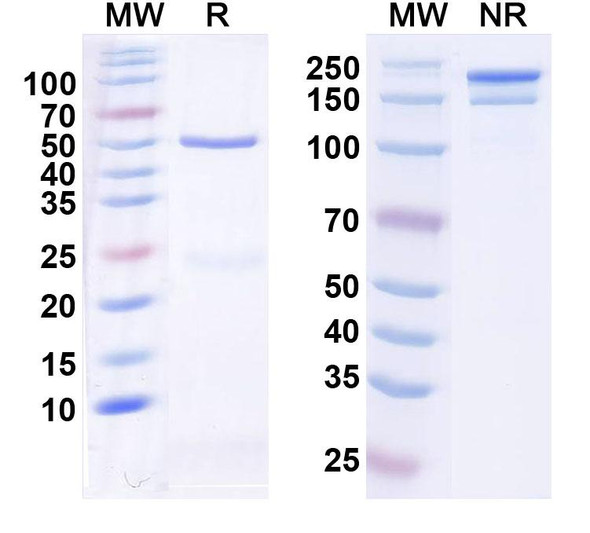
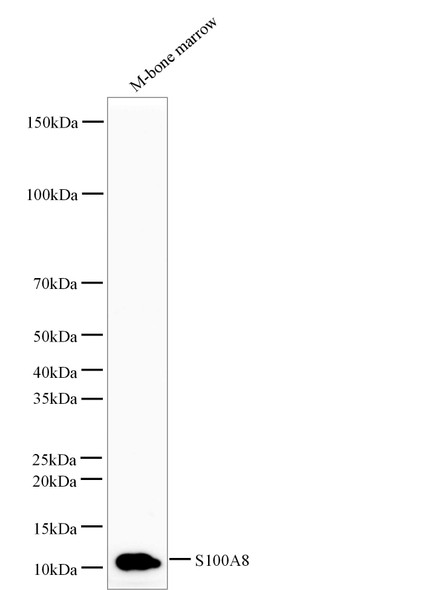
The Recombinant GLUT2 Monoclonal Antibody is a recombinant rabbit monoclonal antibody (clone C311318) against GLUT2. GLUT2 is a facilitative hexose transporter that mediates the transport of glucose and fructose, which likely mediates the bidirectional transfer of glucose across the plasma membrane of hepatocytes and is responsible for uptake of glucose by the beta cells; may comprise part of the glucose-sensing mechanism of the beta cell. GLUT2 may participate with the Na+/glucose cotransporter in the transcellular transport of glucose in the small intestine and kidney and is also able to mediate the transport of dehydroascorbate. Produced by recombinant technology in Rabbit hosts and purified by Protein A affinity chromatography, this Rabbit IgG antibody is reactive against Human samples.
This antibody is suitable for WB, IHC, IF and ELISA applications. It has been validated by WB analysis of Mouse liver, Rat liver, HT-29, A549 and IHC analysis of Human kidney. The target is localized to the membrane.
Product Name:
Recombinant GLUT2 Monoclonal Antibody
SKU:
AGEL6623
Size:
50 µL, 100 µL
Antibody Type:
Recombinant Monoclonal Antibody
Synonyms:
facilitated glucose transporter member 2, Glucose transporter, Glucose Transporter 2, Glucose Transporter GLUT2, Glucose transporter type 2, Glucose transporter type 2 liver, GLUT, GLUT-2, GLUT2, GTR2, GTT2, liver, liver/islet, SLC2A, SLC2A2, Solute carrier family 2, Solute carrier family 2 (facilitated glucose transporter) member 2, Solute carrier family 2 facilitated glucose transporter member 2, solute carrier family 2 member 2
Reactivity:
Human
Immunogen:
The specific immunogen used to produce this antibody is proprietary information.
Applications:
WBIHCIFELISA
Clonality:
Recombinant Monoclonal
Clone No:
C311318
Host:
Rabbit
Isotype:
Rabbit IgG
Target:
GLUT2
Conjugation:
Unconjugated
Observed MW:
58 kDa
Calculated MW:
57 kDa
Recommended Dilution:
WB 1:2000-10000; IHC 1:1000-400; IF 1:200-1000; ELISA 1:5000-20000
UniProt:
P11168, P14246, P12336
Purification:
Protein A
Concentration:
1 mg/mL
Buffer:
PBS, 50% glycerol, 0.05% Proclin 300, 0.05% protein protectant.
Storage:
Store at -20°C valid for 12 months. Avoid freeze / thaw cycles.