100% Quality Guarantee
PhD-Level Technical Support
Key Features

Recombinant Phospho-eNOS (Ser1177) Monoclonal Antibody (AGEL6173)

SKU AGEL6173
Product Type Antibody
Reactivity Human, Mouse, Rat
Applications WB, IHC, IF, IP, ELISA
Host Species Rabbit
Clonality Monoclonal
Clone C110867
Conjugate Unconjugated
$540 - $738

Request a formal quotation

A PDF quote with its own quote number, ready for your purchasing office to raise a PO against. Back within 4 working hours, from a PhD scientist — not an autoresponder.

  • PO-ready PDFQuote number, VAT, Incoterms
  • Volume pricing appliedDiscounts from 2 kits up
  • Valid 30 daysPrices held while you get sign-off
Anything we should know? optional

No account needed. We use your details only to prepare and send this quote. If it's urgent, say so in the box and we'll come back the same working day.

Global Shipping: 80+ Countries
White Glove Service: Available upon request
Batch Consistency: Contact Sales
Distributors: 60+ Countries

Description

system_update_altDatasheetsystem_update_altMSDS

Recombinant Phospho-eNOS (Ser1177) Monoclonal Antibody

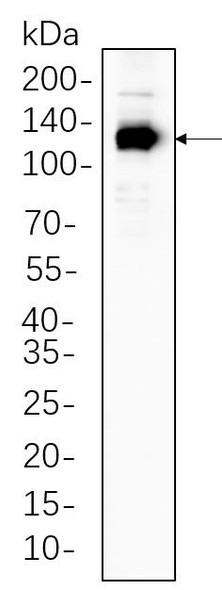
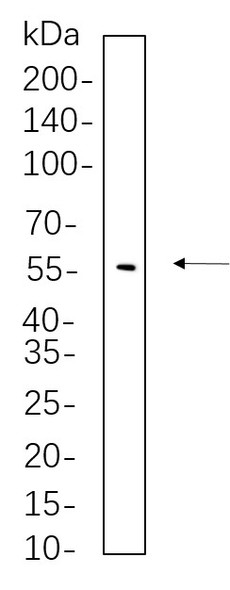
The Recombinant Phospho-eNOS (Ser1177) Monoclonal Antibody is a recombinant rabbit monoclonal antibody (clone C110867) against eNOS (Ser1177). Nitric oxide is a reactive free radical which acts as a biologic mediator in several processes, including neurotransmission and antimicrobial and antitumoral activities. Nitric oxide is synthesized from L-arginine by nitric oxide synthases. Variations in this gene are associated with susceptibility to coronary spasm. Produced by recombinant technology in Rabbit hosts and purified by Protein A affinity chromatography, this Rabbit IgG antibody is reactive against Human, Mouse and Rat samples.

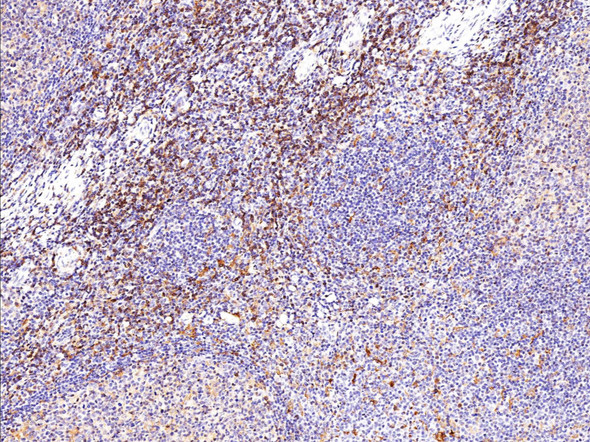
This antibody is suitable for WB, IHC, IF, IP and ELISA applications. It has been validated by IHC analysis of Human kidney. The target is localized to the Cell membrane. Membrane, caveola. cytoplasm, cytoskeleton. Golgi apparatus. Specifically associates with actin cytoskeleton in the G2 phase of the cell cycle; which is favored by interaction with NOSIP and results in a reduced enzymatic activity.

View AllClose

0 Reviews

0
Based on 0 reviews

No reviews yet. Be the first to share your experience!

View AllClose