
-
Enhancing Cell Counting Accuracy with a Haemocytometer: A Comprehensive Guide(Post)
Cell counting is an important part of many different scientific experiments, enabling researchers to gather crucial data about cell populations and their characteristics. In this step-by-st
VEGF-A VEGFR-2 Signaling: Decoding the Blueprint of Angiogenesis for Therapeutic Insights(Post)The orchestration of angiogenesis, the process by which new blood vessels form from pre-existing ones, is a complex symphony regulated by various molecular players. At the forefront of this int
Understanding the Bcl-2 Pathway in Cancer Therapy(Post)Understanding the Bcl-2 Pathway: Implications for Cancer Therapy The Bcl-2 family of proteins plays a pivotal role in regulating apoptosis, a crucial process for maintaining cellular
Hepatocyte growth factor (HGF) (Post)What is Hepatocyte Growth Factor? Hepatocyte growth factor (HGF) is a cytokine that is mainly produced by the liver. HGF is a pleiotrophic cytokine that regulates cell growth, motilit
Blood Coagulation Signaling Pathways: A Critical Overview(Post)Cell Signalling · HaemostasisBlood Coagulation Signaling Pathways: A Critical OverviewBlood coagulation is a tightly regulated cascade in which circulating clotting factors are sequentially activated
Mesenchymal Stem Cells: Navigating the Frontiers of Regenerative Medicine(Post)Mesenchymal stem cells (MSCs) have emerged as pivotal players in the realm of regenerative medicine due to their unique properties and versatile potential. Originally discovered in the bone marrow
TUNEL staining : The method of choice for measuring cell death(Post)Techniques · Apoptosis DetectionTUNEL Staining: The Method of Choice for Measuring Cell DeathTUNEL staining is a gold-standard technique for detecting apoptosis in situ. By labelling the fragmented DN
IL-9 Signaling and Its Impact on Immune Cell Regulation(Post)Interleukin-9 (IL-9) plays a critical role in the immune system, influencing a variety of biological functions across different immune cell types. This article provides an in-depth look at the sig
Innate Lymphoid Cells Differentiation: Guardians of Immune Homeostasis(Post)Innate Lymphoid Cells (ILCs) represent a fascinating component of the immune system, playing a crucial role in maintaining tissue homeostasis and mounting rapid responses against pathogens. The
Governing the Fate of Stem Cells With Transcription Factors(Post)The intricate process of stem cell differentiation and self-renewal is a cornerstone of developmental biology and regenerative medicine. At the heart of this complex regulatory mechanism are trans
Mitophagy: The Cell's Cleanup Crew for Healthy Living(Post)Mitophagy, a term derived from the fusion of "mitochondria" and "autophagy," represents a vital cellular process responsible for the targeted degradation and recycling of dysfunctional mitochon
Stem Cells: What Are They and How They Can Help Treat Diseases(Post)Stem Cells: What are they and how they can help treat diseases Stem cells are a unique population of cells that possess the ability to self-renew and differentiate into specialized ce
The Transformative Era of Induced Pluripotent Stem Cells in Modern Medicine(Post)The inception of induced pluripotent stem cells (iPSCs) has heralded a new dawn in the realm of biomedical research and regenerative medicine, setting the stage for groundbreaking advancements in
An Introduction into EV Markers(Post)Extracellular Vesicles
Avdoralimab: Exploring Its Role in Immunotherapy and Biosimilar Advancements(Post)Quick Facts About AvdoralimabWhat is Avdoralimab?Avdoralimab is a monoclonal antibody targeting C5aR1, playing a crucial role in modulating immune response and inflammation.What is the m
Murlentamab: Revolutionizing Cancer Research with Targeted Therapy(Post)Quick Facts About MurlentamabWhat is Murlentamab?Murlentamab is a novel monoclonal antibody designed to target CD47, a "don’t eat me" signal that helps cancer cells evade the immune syst
Renal Cell Carcinoma: Understanding, Diagnosing, and Treating Kidney Cancer(Post)Renal Cell Carcinoma (RCC) is the most common form of kidney cancer, originating in the lining of the proximal renal tubules. RCC accounts for approximately 90% of all kidney cancers and
Unlocking a New Immune Checkpoint: The CD47-Thrombospondin-1 Pathway in Cancer(Post)Cancer immunotherapy has revolutionized oncology, offering powerful new ways to treat various malignancies by harnessing the body's own immune system. Central to this success are immune checkpoint inh
M2 Supplement for Organoid Cell Culture: Enhancing Growth and Differentiation(Post)The use of M2 Supplement in organoid culture has revolutionized the way researchers cultivate and maintain these three-dimensional (3D) cellular models. Organoids—self-organizing cell clu
Characteristics of scaffold protein(Post)Scaffold Proteins Environmental stimuli result in different biological responses including cell growth, proliferation or apoptosis. How cells translate specific stimuli into a specific cellu
Featured
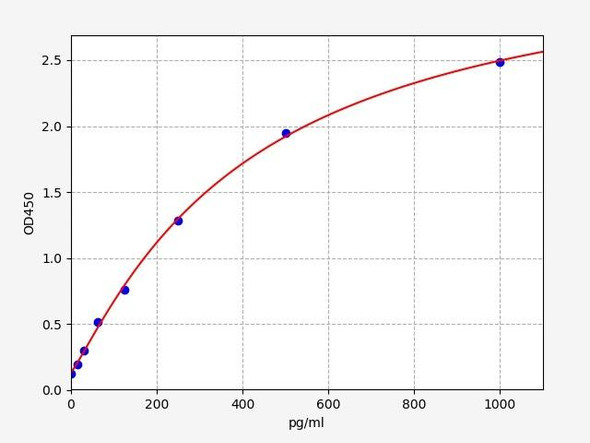

Human CAT (Catalase) ELISA Kit (HUFI07676)
- Product Code:
- HUFI07676
- Detection Method:
- Sandwich ELISA, Double Antibody
- Sensitivity:
- 9.375 pg/mL
- Range:
- 15.625-1000 pg/mL


Human MICA ELISA Kit (HUFI00015)
- Product Code:
- HUFI00015
- Detection Method:
- Sandwich ELISA, Double Antibody
- Sensitivity:
- 46.875 pg/mL
- Range:
- 78.125-5000 pg/mL

Fatty Acid Oxidation (FAO) Assay Kit (BR00001)
- Product Code:
- BR00001
- Instrument:
- Microplate Reader

Anti-Mouse IFNAR-1 In Vivo Antibody - Low Endotoxin (IVMB0202)
- Product Code:
- IVMB0202
- Antibody Type:
- Functional-Grade In Vivo Antibody
- Clone:
- MAR1-5A3
- Protein:
- IFNAR1
- Isotype:
- Mouse IgG1

Anti-Mouse CD25 In Vivo Antibody - Low Endotoxin (IVMB0148)
- Product Code:
- IVMB0148
- Antibody Type:
- Functional-Grade In Vivo Antibody
- Clone:
- PC61
- Protein:
- CD25
- Isotype:
- Rat IgG1 lambda

Anti-Mouse NK1.1 In Vivo Antibody - Low Endotoxin (IVMB0100)
- Product Code:
- IVMB0100
- Antibody Type:
- Functional-Grade In Vivo Antibody
- Clone:
- PK136
- Protein:
- NK1.1
- Isotype:
- Mouse IgG2a kappa

Anti-Mouse PD-1 Antibody [RMP1-14] In Vivo-Low Endotoxin (IVMB0037)
- Product Code:
- IVMB0037
- Antibody Type:
- Functional-Grade In Vivo Antibody
- Clone:
- RMP1-14
- Protein:
- PD-1
- Isotype:
- Rat IgG2a kappa


LSAMP Rabbit Polyclonal Antibody (CAB14248)
- Product Code:
- CAB14248
- Antibody Type:
- Polyclonal Antibody
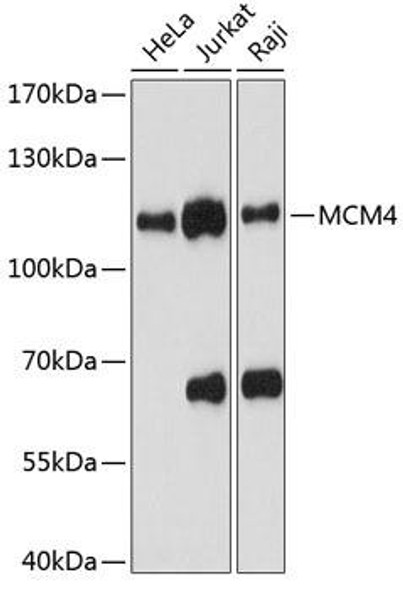
MCM4 Rabbit Polyclonal Antibody (CAB13513)
- Product Code:
- CAB13513
- Antibody Type:
- Polyclonal Antibody

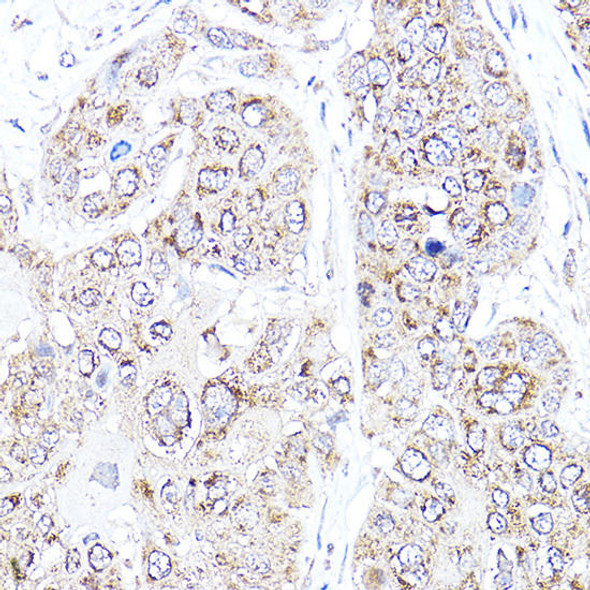
VEGF Rabbit Polyclonal Antibody (CAB12303)
- Product Code:
- CAB12303
- Antibody Type:
- Polyclonal Antibody

MDA ELISA Kit (UNFI0048)
- Product Code:
- UNFI0048
- Detection Method:
- Competitive ELISA, Coated with Antigen
- Sensitivity:
- 4.688 ng/mL
- Range:
- 7.813-500 ng/mL


Dopamine ELISA Kit (UNFI0013)
- Product Code:
- UNFI0013
- Detection Method:
- Competitive ELISA, Coated with Antigen
- Sensitivity:
- 0.938 ng/mL
- Range:
- 1.563-100 ng/mL

Serotonin ELISA Kit (UNFI0018)
- Product Code:
- UNFI0018
- Detection Method:
- Competitive ELISA, Coated with Antigen
- Sensitivity:
- 0.938 ng/mL
- Range:
- 1.563-100 ng/mL

PGE2 ELISA Kit (UNFI0032)
- Product Code:
- UNFI0032
- Detection Method:
- Competitive ELISA, Coated with Antigen
- Sensitivity:
- 18.75 pg/mL
- Range:
- 31.25-2000 pg/mL
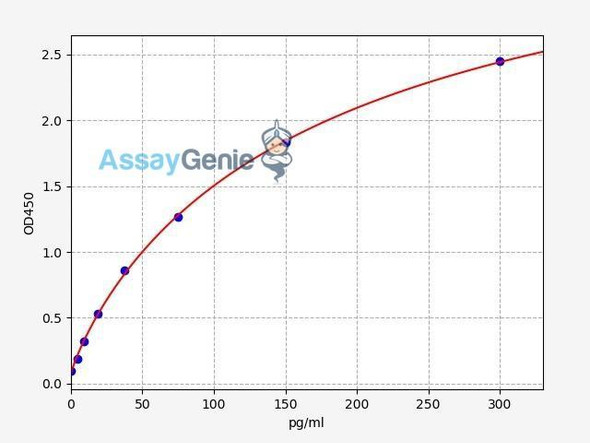
Human IL-6 ELISA Kit (HUFI00180)
- Product Code:
- HUFI00180
- Sensitivity:
- 2.813pg/ml
- Range:
- 4.688-300pg/ml
- ELISA Type:
- Sandwich
