
-
Reprogramming Regulatory T Cells: A Breakthrough in Cancer Immunotherapy(Post)
A New Dawn in Cancer Treatment: Reprogramming the Immune System's Own Soldiers For decades, the fight against cancer has been a relentless battle of attrition, with treatments like chemotherapy and r
Innate Immune System Explained: Step-by-Step Process & Key Concepts(Post)Immunology · Cell BiologyCells of the Innate Immune System: Types, Functions and MarkersThe innate immune system responds within minutes, without prior exposure, using cells that recognise conserved m
Advantages of Small Molecule Inhibitors in Therapeutic Interventions(Post)Small molecule inhibitors represent a significant advancement in the field of therapeutic interventions, offering a versatile approach to treating a myriad of diseases, including cancer, viral inf
Emapalumab: Unlocking the Potential of Targeting IFN-γ in HLH Treatment(Post)Quick Facts About EmapalumabWhat is Emapalumab?Emapalumab is a fully human monoclonal antibody that neutralizes interferon-gamma (IFN-γ). It is the first FDA-approved therapy for primary
23 PhD Interview tips(Post)PhD Interview Presentation Dos and Don’ts It is becoming increasingly common for master's and undergraduate students to present data they produced during their resea
Plonmarlimab: Advancing Anti-GM-CSF Therapy in Inflammatory Diseases(Post)Quick Facts About PlonmarlimabWhat is Plonmarlimab?Plonmarlimab is a monoclonal antibody targeting GM-CSF, a cytokine involved in inflammation and immune responses.How does Plonmarlimab
ELISA Troubleshooting: High %CV at Low Standards(Post)QUICK ANSWER On a Human I-FABP/FABP2 ColorStep ELISA, the top of the standard curve looked perfect while the three lowest standards showed duplicate %CVs of 37–450% — because their op
Crizanlizumab: A Comprehensive Overview of Its Role in Sickle Cell Disease and Ongoing Research(Post)Quick Facts About CrizanlizumabWhat is Crizanlizumab?Crizanlizumab is a monoclonal antibody used to treat sickle cell disease by targeting P-selectin, a protein involved in inflammation
Fezakinumab: Exploring Its Mechanism and Clinical Potential(Post)Quick Facts About FezakinumabWhat is Fezakinumab?Fezakinumab is a human IgG1-lambda monoclonal antibody that targets interleukin-22 (IL-22), a cytokine involved in inflammatory responses
The PD-1 Pathway and Cancer Immunotherapy(Post)The initial identification of PD-1 as a potential target for cancer treatment occurred in the late 1990s and early 2000s through studies exploring the regulation of T-cell responses.
Disease and Pathways Tools(Page)Disease & Pathway Tools | ELISA Kits, Antibodies & Assays by Research Area | Assay Genie
SLAMF7: Activating Natural Killer Cells for Potent Anti-Cancer Responses(Post)Introduction to SLAMF7 in Cancer Immunotherapy SLAMF7, also known as Signaling Lymphocytic Activation Molecule F7, is a surface receptor found on natural killer (NK) cells, T cells, plasm
Understanding the Autophagy Pathway: A Critical Process in Cellular Maintenance(Post)Cell Biology · Protein DegradationThe Autophagy Pathway: Mechanism, Regulation and How to Measure ItAutophagy is the cell’s route for degrading and recycling its own contents — damaged organelles, agg
Ovarian Cancer: Symptoms, Causes, Diagnosis and Treatment(Post)Ovarian cancer is the fourth most common cancer in women. Ovarian cancer is when the normal cells in the ovary change and grow to form a tumour. Because the ovaries are located deep
Fibroblast Markers(Post)Fibroblasts, essential components of connective tissues, play vital roles in maintaining tissue structure and function. Their remarkable ability to produce and organize the extracellular matrix
Unlocking the Next Wave of Cancer Treatment: The Rise of CAR-T Cell Therapy(Post)A New Era in Oncology Chimeric Antigen Receptor (CAR)-T cell therapy represents a paradigm shift in the fight against cancer, offering a personalized and powerful immunotherapy that trains a patient
How Cancer Cells Hijack Immune Defenses Through Mitochondrial Transfer(Post)Imagine a battlefield where the enemy doesn't just hide from soldiers—it actively sabotages their weapons. In the tumor microenvironment, cancer cells have evolved a devious strategy: they transfer th
T-Cell Engagers: Signal 1 Without Signal 2(Post)A T-cell engager does not give the T cell an instruction. It gives it an address. A bispecific antibody with one arm on CD3 and the other on a tumour antigen forces two membranes into contact and let
The Role of Tumor Suppressor Genes in Cancer: Knudson Hypothesis & Oncogenes(Post)Cancer Biology · GeneticsTumour Suppressor Genes: Roles, Examples & CancerTumour suppressor genes are the brakes on cell growth — they restrain proliferation, repair damaged DNA and trigger apoptosis
AID, Hypermutation and B-Cell Lymphoma(Page)Featured
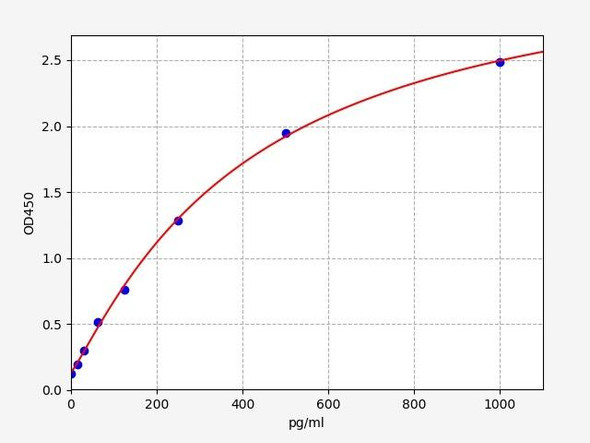

Human CAT (Catalase) ELISA Kit (HUFI07676)
- Product Code:
- HUFI07676
- Detection Method:
- Sandwich ELISA, Double Antibody
- Sensitivity:
- 9.375 pg/mL
- Range:
- 15.625-1000 pg/mL


Human MICA ELISA Kit (HUFI00015)
- Product Code:
- HUFI00015
- Detection Method:
- Sandwich ELISA, Double Antibody
- Sensitivity:
- 46.875 pg/mL
- Range:
- 78.125-5000 pg/mL

Fatty Acid Oxidation (FAO) Assay Kit (BR00001)
- Product Code:
- BR00001
- Instrument:
- Microplate Reader

Anti-Mouse IFNAR-1 In Vivo Antibody - Low Endotoxin (IVMB0202)
- Product Code:
- IVMB0202
- Antibody Type:
- Functional-Grade In Vivo Antibody
- Clone:
- MAR1-5A3
- Protein:
- IFNAR1
- Isotype:
- Mouse IgG1

Anti-Mouse CD25 In Vivo Antibody - Low Endotoxin (IVMB0148)
- Product Code:
- IVMB0148
- Antibody Type:
- Functional-Grade In Vivo Antibody
- Clone:
- PC61
- Protein:
- CD25
- Isotype:
- Rat IgG1 lambda

Anti-Mouse NK1.1 In Vivo Antibody - Low Endotoxin (IVMB0100)
- Product Code:
- IVMB0100
- Antibody Type:
- Functional-Grade In Vivo Antibody
- Clone:
- PK136
- Protein:
- NK1.1
- Isotype:
- Mouse IgG2a kappa

Anti-Mouse PD-1 Antibody [RMP1-14] In Vivo-Low Endotoxin (IVMB0037)
- Product Code:
- IVMB0037
- Antibody Type:
- Functional-Grade In Vivo Antibody
- Clone:
- RMP1-14
- Protein:
- PD-1
- Isotype:
- Rat IgG2a kappa


LSAMP Rabbit Polyclonal Antibody (CAB14248)
- Product Code:
- CAB14248
- Antibody Type:
- Polyclonal Antibody
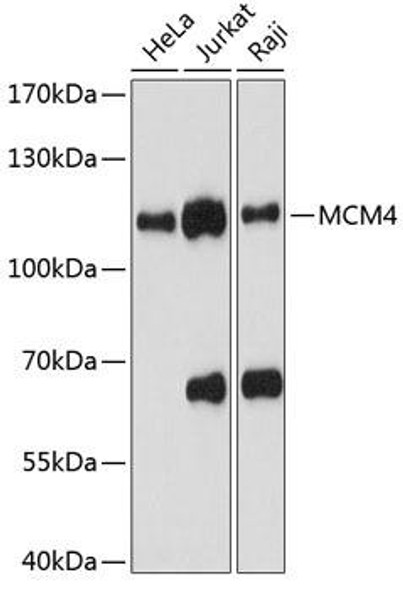
MCM4 Rabbit Polyclonal Antibody (CAB13513)
- Product Code:
- CAB13513
- Antibody Type:
- Polyclonal Antibody

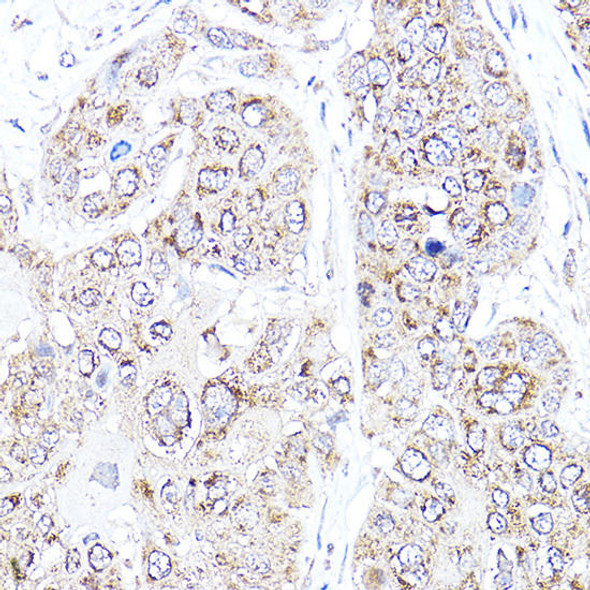
VEGF Rabbit Polyclonal Antibody (CAB12303)
- Product Code:
- CAB12303
- Antibody Type:
- Polyclonal Antibody

MDA ELISA Kit (UNFI0048)
- Product Code:
- UNFI0048
- Detection Method:
- Competitive ELISA, Coated with Antigen
- Sensitivity:
- 4.688 ng/mL
- Range:
- 7.813-500 ng/mL


Dopamine ELISA Kit (UNFI0013)
- Product Code:
- UNFI0013
- Detection Method:
- Competitive ELISA, Coated with Antigen
- Sensitivity:
- 0.938 ng/mL
- Range:
- 1.563-100 ng/mL

Serotonin ELISA Kit (UNFI0018)
- Product Code:
- UNFI0018
- Detection Method:
- Competitive ELISA, Coated with Antigen
- Sensitivity:
- 0.938 ng/mL
- Range:
- 1.563-100 ng/mL

PGE2 ELISA Kit (UNFI0032)
- Product Code:
- UNFI0032
- Detection Method:
- Competitive ELISA, Coated with Antigen
- Sensitivity:
- 18.75 pg/mL
- Range:
- 31.25-2000 pg/mL
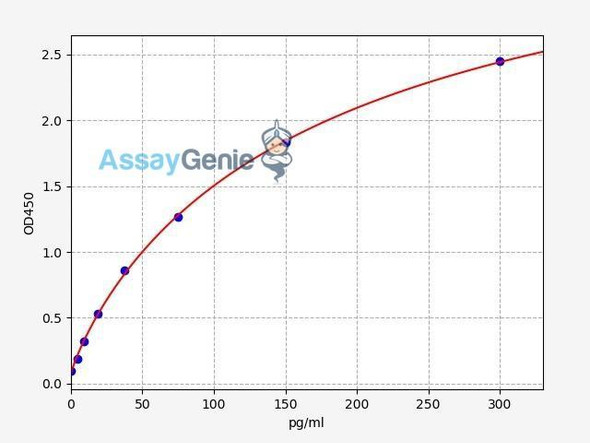
Human IL-6 ELISA Kit (HUFI00180)
- Product Code:
- HUFI00180
- Sensitivity:
- 2.813pg/ml
- Range:
- 4.688-300pg/ml
- ELISA Type:
- Sandwich
