
-
The Complement System - pathways & function in the immune system(Post)
The Complement System Function Gone are the days when the complement system was considered solely a companion of its impressive adaptive immune system counte
Advantages of Small Molecule Inhibitors in Therapeutic Interventions(Post)Small molecule inhibitors represent a significant advancement in the field of therapeutic interventions, offering a versatile approach to treating a myriad of diseases, including cancer, viral inf
Galectin Therapeutics(Post)Idiopathic Pulmonary Fibrosis Idiopathic Pulmonary Fibrosis (IPF) is a chronic, irreversible and ultimately fatal disease characterized by prog
How to Choose a Secondary Antibody(Post)The selection of a secondary antibody is a critical step in the experimental design of various immunodetection methods, including Western Blot, ELISA, immunohistochemistry (IHC), and immunofluores
Interleukin 12 (IL-12) in COVID-19 Vaccines(Post)Interleukin 12 in COVID-19 Prophylactics Interleukin 12 is a cytokine with wide-reaching effects in the innate and adaptive immune system. Of
STING Activators As Cancer Therapeutics(Post)The STING (Stimulator of Interferon Genes) pathway plays a pivotal role in the innate immune system's response to cancerous cells and DNA viruses. Exploiting this pathway through STING activators
Labeling Non-Antibody Proteins and Small Molecules: An Advanced Guide(Post)In the evolving landscape of biochemical research and diagnostic assay development, the ability to label non-antibody proteins and small molecules with high precision has become indispensable. Thi
chemokine receptors and ligands(Post)Chemokines are highly conserved cytokines that control the movement of cells around the body. All 45 members of the chemokine family can be divided into 4 subfamilies depending on th
Bone Morphogenetic Proteins (BMP) – Review(Post)Bone Morphogenetic Proteins (BMP) were first discovered in the 1960s by Dr.Marshall Urist, an orthopaedic surgeon at UCLA (Urist 1965). BMPs are classically associated with their roles in limb
Auto-inflammatory diseases and genetics (SAIDs)(Post)Shelly Pathak PhD candidate, University of Leeds SAIDs Systemic Auto-inflammatory diseases (SAIDs) have been defined as a group of mainly inherited disorder
JAK-STAT Signaling Pathway: A Comprehensive Exploration(Post)Progression of the JAK STAT Signalling Pathway Cellular communication is a complex network of molecular interactions that govern various physiological processes. Among the many signal
Ionotropic Glutamate Receptors: Gateways to Neural Communication(Post)Ionotropic glutamate receptors (iGluRs) are pivotal in the fast excitatory synaptic transmission in the mammalian central nervous system (CNS). These receptors are not only crucial for normal brai
Horseshoe Crab Blood and Endotoxin Testing: A Comprehensive Guide(Post)Horseshoe crabs, often referred to as "living fossils," are invaluable to modern medicine due to their unique blue blood. This blood is the source of Limulus Amebocyte Lysate (LAL), a sub
Sensing Danger: The Biology of TLR-Mediated Inflammation(Post)By Eoin Mac Réamoinn Toll-like receptors (TLRs) are renowned for their fundamental roles in innate sensing and initiating inflammatory responses. TLRs acco
Data Analysis in Flow Cytometry: Harnessing Complexity for Scientific Insight(Post)Flow cytometry is a powerful analytical technology employed in cell biology, immunology, and oncology research. It enables the rapid measurement of physical and chemical characteristics of cells o
Binding Is the Easy Part(Post)An antibody–drug conjugate is not a targeted drug. It is a delivery problem with an antibody bolted to the front of it. Binding is the easy part, and it is almost never the part that fails. What deci
IgA Test – Normal Ranges, Results & What They Mean(Post)Clinical · Immunology Guide IgA Test: Normal Ranges, Results & What They Mean [2026] What the immunoglobulin A blood test measures, how result
Governing the Fate of Stem Cells With Transcription Factors(Post)The intricate process of stem cell differentiation and self-renewal is a cornerstone of developmental biology and regenerative medicine. At the heart of this complex regulatory mechanism are trans
Time-Resolved Fluorescence (TRF): A Comprehensive Introduction(Post)Time-Resolved Fluorescence (TRF) technology is a cutting-edge analytical technique that has revolutionized the fields of biochemistry, immunology, and molecular biology. By offering a refined appr
The Rat Effectively Models Signature Cytokines of T Helper Cells(Post)Understanding the immune system's intricacies requires models that accurately reflect its complexity. The rat, as a model organism, plays a crucial role in immunological research, particularly in
Featured
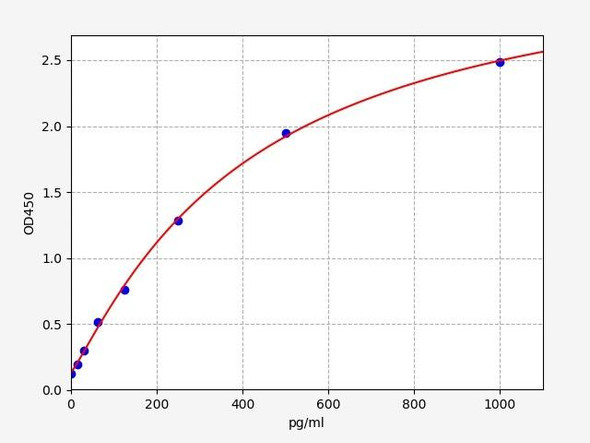

Human CAT (Catalase) ELISA Kit (HUFI07676)
- Product Code:
- HUFI07676
- Detection Method:
- Sandwich ELISA, Double Antibody
- Sensitivity:
- 9.375 pg/mL
- Range:
- 15.625-1000 pg/mL


Human MICA ELISA Kit (HUFI00015)
- Product Code:
- HUFI00015
- Detection Method:
- Sandwich ELISA, Double Antibody
- Sensitivity:
- 46.875 pg/mL
- Range:
- 78.125-5000 pg/mL

Fatty Acid Oxidation (FAO) Assay Kit (BR00001)
- Product Code:
- BR00001
- Instrument:
- Microplate Reader

Anti-Mouse IFNAR-1 In Vivo Antibody - Low Endotoxin (IVMB0202)
- Product Code:
- IVMB0202
- Antibody Type:
- Functional-Grade In Vivo Antibody
- Clone:
- MAR1-5A3
- Protein:
- IFNAR1
- Isotype:
- Mouse IgG1

Anti-Mouse CD25 In Vivo Antibody - Low Endotoxin (IVMB0148)
- Product Code:
- IVMB0148
- Antibody Type:
- Functional-Grade In Vivo Antibody
- Clone:
- PC61
- Protein:
- CD25
- Isotype:
- Rat IgG1 lambda

Anti-Mouse NK1.1 In Vivo Antibody - Low Endotoxin (IVMB0100)
- Product Code:
- IVMB0100
- Antibody Type:
- Functional-Grade In Vivo Antibody
- Clone:
- PK136
- Protein:
- NK1.1
- Isotype:
- Mouse IgG2a kappa

Anti-Mouse PD-1 Antibody [RMP1-14] In Vivo-Low Endotoxin (IVMB0037)
- Product Code:
- IVMB0037
- Antibody Type:
- Functional-Grade In Vivo Antibody
- Clone:
- RMP1-14
- Protein:
- PD-1
- Isotype:
- Rat IgG2a kappa


LSAMP Rabbit Polyclonal Antibody (CAB14248)
- Product Code:
- CAB14248
- Antibody Type:
- Polyclonal Antibody
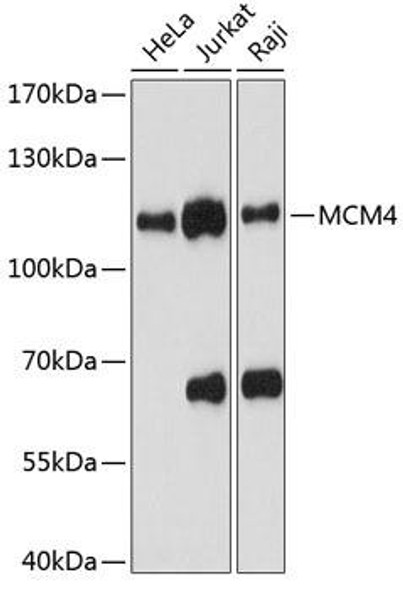
MCM4 Rabbit Polyclonal Antibody (CAB13513)
- Product Code:
- CAB13513
- Antibody Type:
- Polyclonal Antibody

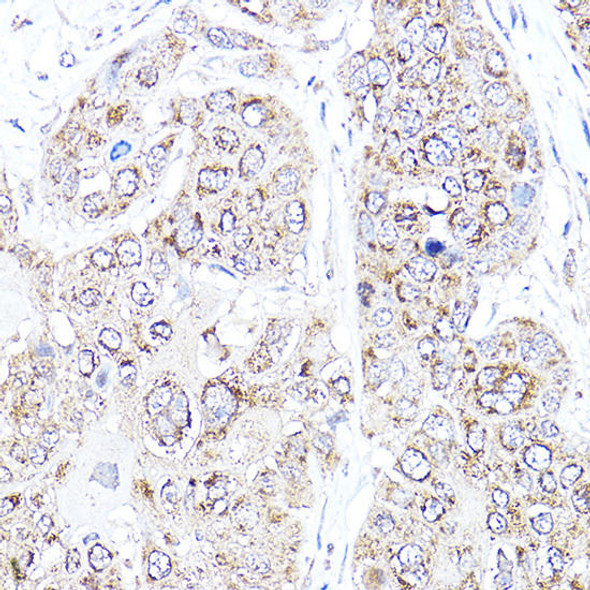
VEGF Rabbit Polyclonal Antibody (CAB12303)
- Product Code:
- CAB12303
- Antibody Type:
- Polyclonal Antibody

MDA ELISA Kit (UNFI0048)
- Product Code:
- UNFI0048
- Detection Method:
- Competitive ELISA, Coated with Antigen
- Sensitivity:
- 4.688 ng/mL
- Range:
- 7.813-500 ng/mL


Dopamine ELISA Kit (UNFI0013)
- Product Code:
- UNFI0013
- Detection Method:
- Competitive ELISA, Coated with Antigen
- Sensitivity:
- 0.938 ng/mL
- Range:
- 1.563-100 ng/mL

Serotonin ELISA Kit (UNFI0018)
- Product Code:
- UNFI0018
- Detection Method:
- Competitive ELISA, Coated with Antigen
- Sensitivity:
- 0.938 ng/mL
- Range:
- 1.563-100 ng/mL

PGE2 ELISA Kit (UNFI0032)
- Product Code:
- UNFI0032
- Detection Method:
- Competitive ELISA, Coated with Antigen
- Sensitivity:
- 18.75 pg/mL
- Range:
- 31.25-2000 pg/mL
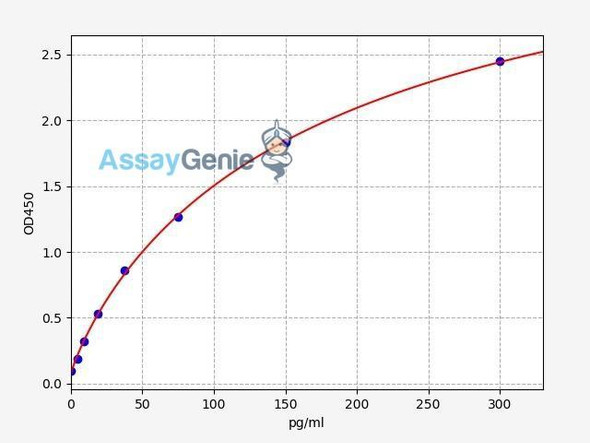
Human IL-6 ELISA Kit (HUFI00180)
- Product Code:
- HUFI00180
- Sensitivity:
- 2.813pg/ml
- Range:
- 4.688-300pg/ml
- ELISA Type:
- Sandwich
