
IgA Test – Normal Ranges, Results & What They Mean
IgA Test: Normal Ranges, Results & What They Mean [2026]
What the immunoglobulin A blood test measures, how results are interpreted against the normal reference range, and the clinical conditions — from selective IgA deficiency to celiac disease — that shift IgA levels up or down.
Browse ELISA Kits →The IgA test, also known as immunoglobulin A test, is a diagnostic tool used to measure the levels of IgA antibodies in the blood. Immunoglobulin A (IgA) is a type of antibody that plays a crucial role in the immune system's defense against infections. This test helps in diagnosing certain medical conditions related to the immune system, such as autoimmune diseases and allergies. In this comprehensive guide, we will delve deeper into the importance of the IgA test, its procedure, interpretation of results, factors affecting IgA levels, and clinical significance.
This article is for research and educational purposes only and is not medical advice. IgA test results are one piece of a wider clinical picture and must always be interpreted by a qualified healthcare professional alongside your history and other investigations.
Measure immunoglobulins in your lab
Researching IgA and the other antibody isotypes? Assay Genie supplies validated, ready-to-use ELISA kits to quantify human immunoglobulins in serum, plasma and cell-lysate samples. Most are built on the sandwich ELISA format for high specificity.
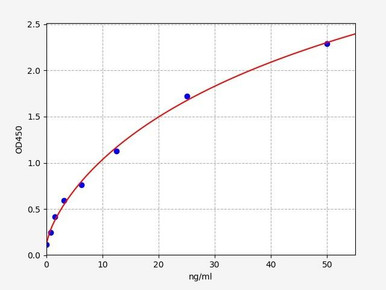
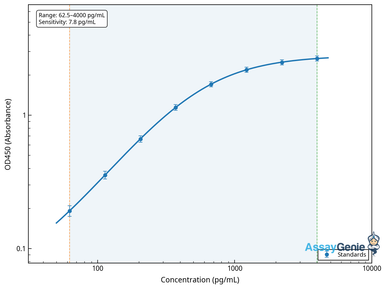
Human Immunoglobulin A (IgA) ELISA Kit
High-sensitivity kit to quantify Immunoglobulin A (IgA) in serum, plasma and lysate.
View kit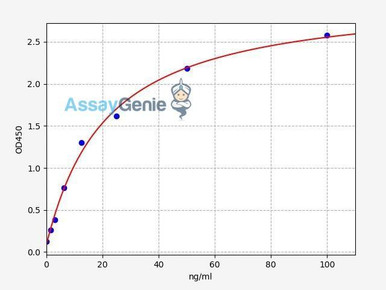
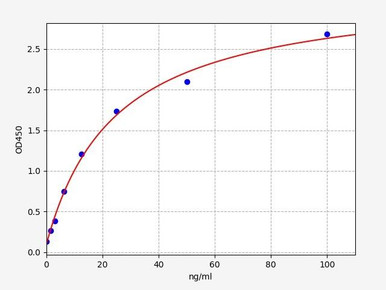
Human IgM ELISA Kit
Measure IgM / Immunoglobulin M — the first antibody produced in an immune response.
View kit
Explore the full ELISA range
Hundreds of validated human, mouse and rat ELISA kits across immunology and beyond.
Browse ELISA kitsImportance of IgA Test
Immunoglobulin A is primarily found in mucous membranes, particularly those lining the respiratory and gastrointestinal tracts, as well as in saliva and tears. It acts as the body's first line of defense against pathogens by neutralizing and preventing their entry into the bloodstream and tissues. IgA is one of the five types of immunoglobulins — IgG, IgA, IgM, IgD and IgE — each with a distinct role in immune defence.
The IgA test is essential for several reasons:
- Diagnosing Immunodeficiency Disorders: Low levels of IgA in the blood can indicate immunodeficiency disorders, where the immune system is compromised and unable to adequately defend the body against infections. Selective IgA deficiency is one such condition where the body produces little to no IgA antibodies, making individuals more susceptible to infections, particularly respiratory and gastrointestinal infections.
- Monitoring Autoimmune Diseases: Elevated levels of IgA can be associated with certain autoimmune diseases, where the immune system mistakenly attacks the body's tissues. Conditions such as rheumatoid arthritis, systemic lupus erythematosus (SLE), and celiac disease may show increased IgA levels.
- Assessing Allergic Reactions: IgA levels can also be elevated in response to allergic reactions. Allergies trigger the immune system to produce antibodies, including IgA, as part of the inflammatory response. Monitoring IgA levels can help in diagnosing and managing allergic conditions.
- Screening for Celiac Disease: IgA antibody testing, particularly for tissue transglutaminase (tTG) antibodies, is commonly used to screen for celiac disease, an autoimmune disorder triggered by gluten ingestion in genetically predisposed individuals.
Procedure of IgA Test
The IgA test is a simple blood test performed in a clinical laboratory or healthcare setting. In the laboratory, IgA is most often quantified by immunoassay — techniques closely related to the antibody-based methods used across immunology research. Here's what to expect during the procedure:
- Preparation: No special preparation is usually required for an IgA test. However, it's essential to inform your healthcare provider about any medications you are taking, as certain drugs can affect the test results.
- Blood Collection: A healthcare professional will cleanse the area on your arm with an antiseptic and then insert a needle into a vein to draw a blood sample. You may feel a slight prick or stinging sensation during the needle insertion.
- Sample Analysis: The blood sample is then sent to a laboratory for analysis. The laboratory technicians will measure the concentration of IgA antibodies in the blood using specialized techniques.
- Results: The results of the IgA test are typically available within a few days. Your healthcare provider will interpret the results in conjunction with your medical history and other diagnostic tests to determine any underlying medical conditions.
Interpretation of IgA Test Results
Interpreting IgA test results involves comparing the measured IgA levels to the reference range established by the laboratory conducting the test. Normal IgA levels can vary depending on factors such as age, sex, and individual health status.
| Result | Typical meaning | Associated conditions |
|---|---|---|
| Normal Range 70–400 mg/dL | IgA within the reference interval for adults. | Reference ranges may vary slightly between different laboratories. |
| Low IgA Levels (hypogammaglobulinemia) | May indicate immunodeficiency; individuals may be more susceptible to infections, particularly respiratory and gastrointestinal infections. | Selective IgA deficiency, common variable immunodeficiency (CVID). |
| High IgA Levels (hypergammaglobulinemia) | Can reflect an active immune response, including a response to gluten ingestion in celiac disease screening (particularly tTG antibodies). | Autoimmune diseases (e.g., rheumatoid arthritis, SLE), chronic infections, liver diseases, allergic conditions. |
The normal range for IgA levels in adults is typically between 70 to 400 milligrams per deciliter (mg/dL). However, reference ranges may vary slightly between different laboratories, so always interpret a result against the range printed on your own report.
It's important to note that while IgA test results provide valuable information, they are just one piece of the diagnostic puzzle. Additional tests and evaluations may be necessary to confirm a diagnosis and determine the appropriate course of treatment.
Factors Affecting IgA Levels
Several factors can influence IgA levels in the body:
- Age: IgA levels tend to increase with age, peaking in adulthood and then gradually declining in older age.
- Gender: Some studies suggest that IgA levels may be slightly higher in females compared to males.
- Genetics: Genetic factors can predispose individuals to certain immune-related disorders, including selective IgA deficiency and autoimmune diseases, which can affect IgA levels.
- Health Status: Various health conditions, such as infections, autoimmune diseases, allergies, and liver diseases, can impact IgA levels in the body.
- Medications: Certain medications, such as immunosuppressants and corticosteroids, can affect IgA production and levels in the blood.
Understanding these factors is essential for accurately interpreting IgA test results and assessing an individual's immune health.
Clinical Significance of IgA Test
The IgA test holds clinical significance in the diagnosis and management of various medical conditions:
- Primary Immunodeficiency Disorders: Selective IgA deficiency and other primary immunodeficiency disorders can be diagnosed through IgA testing, allowing for early intervention and management to prevent recurrent infections.
- Autoimmune Diseases: Elevated IgA levels may indicate autoimmune diseases such as rheumatoid arthritis, SLE, and celiac disease. Monitoring IgA levels can help in disease management and assessing treatment response.
- Allergic Conditions: IgA levels can be elevated in allergic conditions, providing valuable insights for diagnosis and management strategies, including allergen avoidance and immunotherapy.
- Celiac Disease Screening: IgA antibody testing, particularly for tTG antibodies, is crucial for screening individuals at risk of celiac disease, enabling early detection and intervention to prevent complications.
Conclusion
In conclusion, the IgA test is a valuable tool for assessing immune function and diagnosing various medical conditions related to the immune system. By measuring IgA antibody levels in the blood, healthcare providers can identify immunodeficiency disorders, autoimmune diseases, allergies, and other immune-related conditions, allowing for timely intervention and management. If you have any concerns about your immune health or are experiencing symptoms suggestive of an immune-related disorder, consult your healthcare provider for further evaluation and guidance. Stay informed, stay healthy!
Studying immune function?
From IgA and IgG to IgM and IgE, Assay Genie's validated immunoglobulin ELISA kits give you publication-ready data — with expert technical support from our PhD team.
Explore ELISA Kits →Frequently asked questions
What is the normal range for IgA in adults?
The normal range for IgA levels in adults is typically between 70 to 400 milligrams per deciliter (mg/dL). Reference ranges may vary slightly between different laboratories, so always compare your result to the range printed on your own report and discuss it with your healthcare provider.
What does a low IgA level mean?
Low IgA levels (hypogammaglobulinemia) may indicate immunodeficiency disorders, such as selective IgA deficiency or common variable immunodeficiency (CVID). Individuals with low IgA levels may be more susceptible to infections, particularly respiratory and gastrointestinal infections.
What does a high IgA level mean?
Elevated IgA levels (hypergammaglobulinemia) can be seen in conditions such as autoimmune diseases (e.g., rheumatoid arthritis, SLE), chronic infections, liver diseases, and allergic conditions. In the context of celiac disease screening, high levels of IgA antibodies, particularly tTG antibodies, may indicate an immune response to gluten ingestion.
How is the IgA test performed?
The IgA test is a simple blood test. A healthcare professional draws a blood sample from a vein in your arm, and the sample is sent to a laboratory that measures the concentration of IgA antibodies. No special preparation is usually required, though you should inform your provider of any medications you are taking. Results are typically available within a few days.
Why is the IgA test used to screen for celiac disease?
IgA antibody testing, particularly for tissue transglutaminase (tTG) antibodies, is commonly used to screen for celiac disease — an autoimmune disorder triggered by gluten ingestion in genetically predisposed individuals. High tTG-IgA can indicate an immune response to gluten, though selective IgA deficiency must be excluded for the test to be reliable.
References
- Bonilla, F. A., Khan, D. A., Ballas, Z. K., Chinen, J., Frank, M. M., Hsu, J. T., Keller, M., Kobrynski, L. J., Komarow, H. D., Mazer, B., Nelson, R. P., Orange, J. S., Routes, J. M., Shearer, W. T., & Sorensen, R. U. (2015). Practice parameter for the diagnosis and management of primary immunodeficiency. Journal of Allergy and Clinical Immunology, 136(5), 1186-1205.e78. doi:10.1016/j.jaci.2015.04.049
- Corrigall, V. M., & Panayi, G. S. (2000). IgA antibodies in rheumatoid arthritis. Rheumatology, 39(11), 1175-1176. doi:10.1093/rheumatology/39.11.1175
- Husby, S., Koletzko, S., Korponay-Szabó, I. R., Mearin, M. L., Phillips, A., Shamir, R., Troncone, R., Giersiepen, K., Branski, D., Catassi, C., Lelgeman, M., Mäki, M., Ribes-Koninckx, C., Ventura, A., Zimmer, K. P., & ESPGHAN Working Group on Coeliac Disease Diagnosis; ESPGHAN Gastroenterology Committee; European Society for Pediatric Gastroenterology, Hepatology, and Nutrition. (2012). European Society for Pediatric Gastroenterology, Hepatology, and Nutrition guidelines for the diagnosis of coeliac disease. Journal of Pediatric Gastroenterology and Nutrition, 54(1), 136-160. doi:10.1097/MPG.0b013e31821a23d0
- Johnstone, J., & Hendry, C. (Eds.). (2017). IgA immunodeficiency. Oxford University Press. doi:10.1093/med/9780198757834.001.0001
- Litwin, A., Wierzbicka-Tutka, I., & Tobolczyk, J. (2019). Coeliac disease and IgA deficiency: complications of serological testing approaches. Reumatologia, 57(2), 67-72. doi:10.5114/reum.2019.85353
Related articles
Recent Posts
-
Suspected Plague Death at a Siberian Anti-Plague Institute: What Researchers Should Know
Infectious Disease · News AnalysisSuspected Plague Death at a Siberian Anti-Plague Institute: What …6th Oct 2026 -
LPS ELISA Troubleshooting: The Importance of Sample Nature
Quick answer A researcher measuring circulating lipopolysaccharide (LPS) in human serum …25th Sep 2026 -

Sekundärantikörper wählen: Die Regel, die im Labor wirklich zählt
Sekundärantikörper wählen: Die Regel, die im Labor wirklich zählt Wählen Sie einen Sekundärantikörp …24th Sep 2026