
5 Types of Immunoglobulins: IgG, IgA, IgM, IgD & IgE
5 Types of Immunoglobulins: IgG, IgA, IgM, IgD & IgE
The five antibody classes that drive immune defence — their structure, functions, normal serum levels and clinical significance, plus the validated ELISA kits to quantify each one in your own samples.
Browse ELISA Kits →Immunoglobulins (Igs), also known as antibodies, are glycoproteins produced by B cells and plasma cells. They play a central role in the immune system by identifying and neutralizing pathogens such as bacteria and viruses. These versatile molecules are essential for immune defense, and their alterations can signal immunodeficiencies, infections, or autoimmune conditions. While the terms are often used interchangeably, the subtle distinction between an immunoglobulin and an antibody is worth understanding before exploring each class in detail.
Measure immunoglobulins in your lab
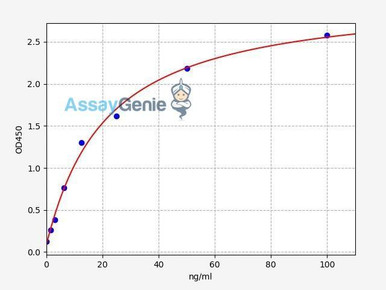
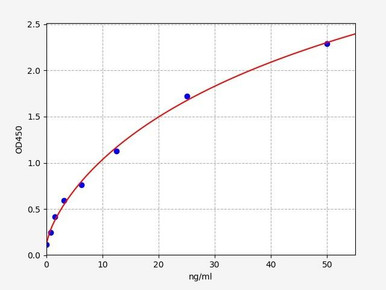
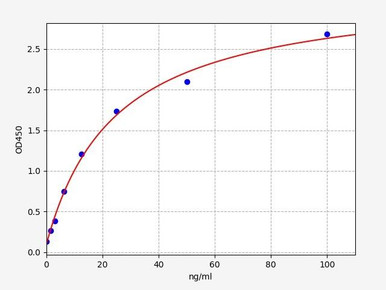
Assay Genie supplies validated, ready-to-use ELISA kits to quantify each immunoglobulin class in serum, plasma and other biological samples.

1. Structure of Immunoglobulins
Basic Antibody Structure
Immunoglobulins are composed of:
- Four Polypeptide Chains:
- Variable Region: Responsible for antigen recognition; varies to bind specific antigens.
- Constant Region: Determines the antibody's class and biological activity.
- Hinge Region: Provides flexibility for antigen binding.
- Explore Our Antibody Range
Antigen Binding
The variable regions of both the heavy and light chains form the antigen-binding site. Each antibody is specific to its target, recognizing unique epitopes on antigens.
Fab and Fc Regions
Split an immunoglobulin in two and you get the parts that do the recognising and the part that does the signalling. The arms of the Y are the Fab regions; the stem is the Fc region.
Fab region (fragment, antigen-binding). Each arm carries one Fab region, divided into a variable (V) domain at the tip and a constant (C) domain closer to the trunk. The variable domain is what gives an antibody its specificity, letting the immune system recognise an enormous range of antigens and neutralise pathogens by binding them before they can infect a cell.
Fc region (fragment, crystallisable). The Fc region forms the base of the Y and stays constant within each antibody class, providing a stable scaffold for interaction with the rest of the immune system. It binds Fc receptors on immune cells to trigger phagocytosis and antibody-dependent cellular cytotoxicity (ADCC), activates the complement system, determines the antibody's class — IgG, IgM, IgA, IgE or IgD — and influences serum half-life, and so how long protection lasts.
2. Classes and Functions of Immunoglobulins
There are five major classes of immunoglobulins, each with distinct roles in the immune response:
| Class | Primary Location | Functions |
|---|---|---|
| IgG | Blood, extracellular fluid | Long-term immunity, opsonization, neutralization of toxins, and complement activation. |
| IgA | Mucosal surfaces, secretions | Mucosal immunity; protects respiratory, gastrointestinal, and urogenital tracts. |
| IgM | Blood | First antibody produced during infection; efficient in agglutination and complement activation. |
| IgE | Blood, tissues | Mediates allergic responses and defense against parasites by activating mast cells and eosinophils. |
| IgD | B cell surface | Plays a role in B cell activation; function not fully understood. |
Key Roles of Each Immunoglobulin
- IgG: Most abundant antibody in the blood. Provides long-term immunity after infection or vaccination. Crosses the placenta to provide passive immunity to the fetus.
- IgA: Found in saliva, tears, and breast milk. Protects mucosal surfaces by preventing pathogen adherence.
- IgM: The first antibody to respond during an initial infection. Exists as a pentamer, making it highly effective in forming immune complexes.
- IgE: Involved in hypersensitivity reactions (e.g., asthma, anaphylaxis). Activates mast cells and eosinophils during parasitic infections.
- IgD: Found in low concentrations in serum. Primarily acts as a receptor on immature B cells.
3. Production of Immunoglobulins
B Cell Activation and Differentiation
- Naïve B Cells: Express IgM and IgD on their surfaces. Recognize specific antigens through their B cell receptors (BCRs).
- Antigen Exposure: Binding of an antigen to the BCR triggers B cell activation. Helper T cells provide signals to stimulate class switching and differentiation.
- Class Switching: Activated B cells switch antibody production from IgM to other classes (IgG, IgA, or IgE) depending on the immune response required.
- Plasma Cells: Mature B cells that secrete large amounts of antibodies into the bloodstream.
4. Clinical Importance of Immunoglobulins
Diagnostic Applications
Measurement of immunoglobulin levels can diagnose and monitor various conditions:
| Condition | Associated Immunoglobulin Abnormalities |
|---|---|
| Immunodeficiencies | Low levels of one or more classes (e.g., hypogammaglobulinemia in IgG). |
| Autoimmune Diseases | Elevated levels, especially IgG (e.g., lupus, rheumatoid arthritis). |
| Allergic Conditions | Elevated IgE levels (e.g., asthma, eczema, anaphylaxis). |
| Chronic Infections | Increased IgM or IgG levels due to persistent immune stimulation. |
| Multiple Myeloma | Overproduction of a specific monoclonal immunoglobulin (e.g., IgG or IgA). |
Therapeutic Uses
- Intravenous Immunoglobulin (IVIG): Used to treat autoimmune diseases, immunodeficiencies, and inflammatory conditions.
- Monoclonal Antibodies: Engineered antibodies for targeted therapy in cancers, autoimmune diseases, and infections.
- Allergen Immunotherapy: Modulates IgE responses to reduce allergic reactions.
5. Disorders of Immunoglobulins
Immunoglobulin Deficiencies
| Condition | Description |
|---|---|
| Primary Immunodeficiency | Genetic disorders affecting antibody production (e.g., X-linked agammaglobulinemia). |
| Secondary Immunodeficiency | Caused by infections (e.g., HIV), chemotherapy, or malnutrition. |
Hypergammaglobulinemia
- Definition: Excess immunoglobulin production, often due to chronic infections or autoimmune diseases.
- Examples: Multiple Myeloma — overproduction of monoclonal immunoglobulins; Chronic Inflammatory Diseases — elevated IgG levels.
Hypersensitivity and Allergies
- Elevated IgE leads to allergic diseases like hay fever, asthma, and food allergies.
- Targeting IgE with monoclonal antibodies (e.g., omalizumab) can manage severe allergic reactions.
6. Summary Table of Immunoglobulins
| Class | Concentration in Serum | Key Functions | Clinical Relevance |
|---|---|---|---|
| IgG | 7-16 g/L | Long-term immunity, opsonization, complement activation. | Reduced levels in immunodeficiencies. |
| IgA | 0.7-4 g/L | Mucosal immunity, neutralization. | Deficiency linked to recurrent respiratory infections. |
| IgM | 0.5-2 g/L | Primary immune response, complement activation. | Elevated in acute infections or autoimmune diseases. |
| IgE | 0.02-0.1 mg/L | Allergic reactions, parasitic defense. | Elevated in allergies or parasitic infections. |
| IgD | 0.04 mg/L | Role in B cell activation. | Limited clinical significance. |
What Are Immunoglobulins?
Immunoglobulins are proteins produced by B lymphocytes that bind to specific antigens and neutralize pathogens, toxins, and foreign substances in the immune response. These molecules represent approximately 20% of total serum proteins. They consist of a characteristic Y-shaped structure composed of two identical heavy chains and two identical light chains connected by disulfide bonds. Like all proteins, these chains are built from amino acids, and the sequence of those residues in the variable region dictates antigen specificity. The constant region at the base determines the immunoglobulin class and its biological function.
Is an Antibody the Same as an Immunoglobulin?
Yes — the two words describe the same molecule. “Immunoglobulin” emphasises what it is: a globular protein of the immune system, defined by its structure. “Antibody” emphasises what it does: bind one specific antigen. Clinical and research usage treats the terms as interchangeable, and the class names — IgG, IgA, IgM, IgD, IgE — use the immunoglobulin form regardless of context.
What Are the 5 Types of Immunoglobulins and Their Functions?
| Class | Structure | Location | Primary Function | % of Total Ig | Half-life |
|---|---|---|---|---|---|
| IgG | Monomer | Serum, crosses placenta | Secondary immune response; opsonization; complement activation | 70–75% | 23 days |
| IgA | Monomer/Dimer | Serum, saliva, tears, mucus | Mucosal immunity; prevents pathogen adhesion | 15–20% | 6 days |
| IgM | Pentamer | Serum only | Primary immune response; complement activation | 5–10% | 5 days |
| IgD | Monomer | B cell surface | B cell activation and differentiation | 0.03–0.1% | 3 days |
| IgE | Monomer | Mast cells, basophils | Allergic reactions; parasitic defense | 0.002–0.05% | 2 days |
What Is the Difference Between IgG, IgA, IgM, IgD, and IgE?
IgG is the most abundant immunoglobulin and the primary marker of past infection or vaccination. It is the only immunoglobulin that crosses the placenta, providing passive immunity to newborns.
IgA functions as the first-line mucosal defense. Selective IgA deficiency is the most common primary immunodeficiency. IgA in colostrum protects breastfed infants. If you are interpreting a result, our IgA test guide covering normal ranges and results explains what high and low values mean.
IgM is the first antibody produced during primary immune response and indicates acute or recent infection. IgM levels decline as IgG takes over.
IgD remains largely membrane-bound on B cells with minimal serum concentration. Elevated IgD may indicate hyper-IgD syndrome.
IgE is the least abundant but carries significant clinical weight in allergic and parasitic disease. Specific IgE testing guides allergen avoidance and immunotherapy.
What Are Normal Immunoglobulin Levels?
| Immunoglobulin Class | Normal Range (mg/dL) | Clinical Notes |
|---|---|---|
| IgG | 700–1600 | Most abundant; reflects immunity status |
| IgA | 70–400 | Mucosal protection |
| IgM | 40–230 | Early response marker |
| IgD | 0–8 | Minimal serum concentration |
| IgE | <0.1 IU/mL | Allergy/parasite marker |
What Is Immunoglobulin Therapy (IVIG)?
Intravenous immunoglobulin (IVIG) therapy is a blood product prepared from pooled plasma of thousands of healthy donors administered to provide rapid immune support. IVIG works through replacement of deficient antibodies, opsonization, complement activation, and modulation of inflammatory cytokines.
IVIG is standard therapy for primary immunodeficiency syndromes (CVID, X-linked agammaglobulinemia), autoimmune conditions (ITP, Guillain-Barré Syndrome, CIDP), and Kawasaki disease where it reduces coronary artery aneurysm risk from 25% to less than 5%.
How Are Immunoglobulin Levels Tested?
Nephelometry and Turbidimetry are the preferred quantitative methods in modern clinical laboratories. Immunofixation electrophoresis (IFE) is used for detecting monoclonal immunoglobulins in multiple myeloma. In research settings, individual immunoglobulin classes are commonly quantified by ELISA. Testing is indicated for recurrent infections, autoimmune disease evaluation, suspected myeloma, and monitoring IVIG therapy efficacy.
Studying antibody responses?
From IgG and IgA to IgM and IgE, Assay Genie's validated ELISA kits give you publication-ready data on every immunoglobulin class — with expert technical support from our PhD team.
Explore ELISA Kits →Frequently Asked Questions About Immunoglobulins
What is the most abundant immunoglobulin in the blood?
IgG is the most abundant, comprising 70–75% of total serum immunoglobulins. It provides sustained antibacterial and antiviral defense through complement activation, opsonization, and cellular binding.
What does it mean if my immunoglobulin levels are low?
Low immunoglobulin levels indicate hypogammaglobulinemia and suggest impaired immune function. Causes include primary immunodeficiency disorders, secondary immunodeficiency (from HIV, medications, malignancy), or bone marrow failure.
What is the difference between an antibody and an immunoglobulin?
Immunoglobulin and antibody are functionally equivalent terms. "Immunoglobulin" emphasizes molecular structure; "antibody" emphasizes function. In clinical and research contexts, the terms are used interchangeably.
Which immunoglobulin crosses the placenta?
IgG is the only immunoglobulin that crosses the placenta, providing passive maternal immunity to the fetus via the neonatal Fc receptor (FcRn). This passive immunity wanes over 3–6 months.
What causes elevated IgE levels?
Elevated IgE indicates allergic sensitization, parasitic infection, or less commonly, hyper-IgE syndrome. Allergic conditions (rhinitis, asthma, atopic dermatitis) and helminth infections strongly elevate IgE.
Conclusion
Immunoglobulins are essential molecules in the immune system, providing protection against pathogens and mediating immune responses. Their diagnostic and therapeutic importance cannot be overstated, as they are integral in managing immunodeficiencies, autoimmune diseases, allergies, and infections. Advances in immunology continue to uncover their potential for targeted therapies and personalized medicine.
References
- Janeway, C., et al., 2001. Immunobiology: The Immune System in Health and Disease. Garland Science. (ncbi.nlm.nih.gov/books/NBK10757)
- Schroeder, H.W., Cavacini, L., 2010. Structure and function of immunoglobulins. Journal of Allergy and Clinical Immunology, 125(2), pp.41-50. (pubmed.ncbi.nlm.nih.gov/20176268)
- Vidarsson, G., et al., 2014. IgG subclasses and their effector functions. Frontiers in Immunology, 5, p.520. (pubmed.ncbi.nlm.nih.gov/25368619)
- Durandy, A., et al., 2013. Hypogammaglobulinemia in children. Pediatric Allergy and Immunology, 24(4), pp.347-357. (pubmed.ncbi.nlm.nih.gov/23765059)
- Bonnefoy, J.Y., et al., 2001. IgE and allergy: a complex partnership. Nature Immunology, 2(2), pp.101-102.
Related articles
Explore Our Antibody Range
Assay Genie’s antibody range spans every major application and validation type — explore the category that fits your experiment:
Recent Posts
-
LPS ELISA Troubleshooting: The Importance of Sample Nature
Quick answer A researcher measuring circulating lipopolysaccharide (LPS) in human serum …25th Sep 2026 -

Sekundärantikörper wählen: Die Regel, die im Labor wirklich zählt
Sekundärantikörper wählen: Die Regel, die im Labor wirklich zählt Wählen Sie einen Sekundärantikörp …24th Sep 2026 -

Anticuerpos para IHC: cómo validarlos y evitar falsos positivos
Anticuerpos para IHC: cómo validarlos y evitar falsos positivos Use anticuerpos con evidencia publi …24th Sep 2026