
Rat ELISA Kits
Quantify rat cytokines, hormones, neurotrophins and oxidative stress markers in serum, plasma, tissue homogenates and cell-culture supernatant. Over 4,000 rat kits in sandwich and competitive formats, each supplied with standards and a pre-coated strip-well plate.
The rat cytokine, hormone and biomarker kits used across rat research.

Key pro-inflammatory cytokine.
View kit →
Central mediator of inflammation.
View kit →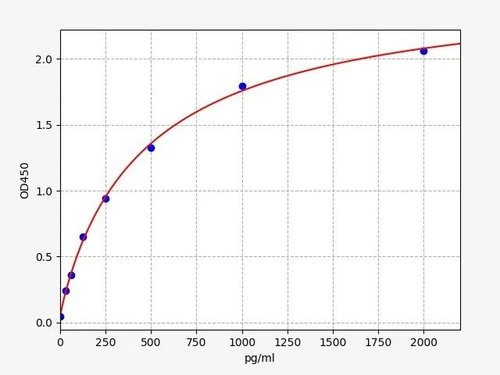
Early inflammatory cytokine.
View kit →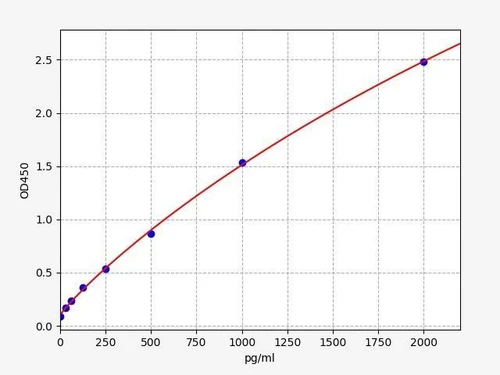
Anti-inflammatory, regulatory cytokine.
View kit →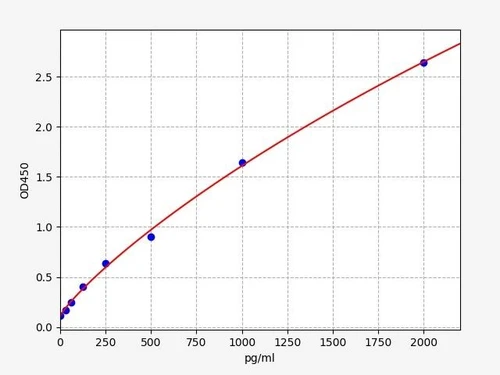
Neuronal survival and plasticity.
View kit →
Stress hormone, competitive format.
View kit →
Metabolic and diabetes models.
View kit →
Lipid peroxidation marker.
View kit →The rat is a standard species for pharmacology, toxicology and neuroscience. Common readouts by model:
Ischaemia–reperfusion, sepsis and tissue injury models.
Stress, depression and neurodegeneration models.
Most kits are validated for serum, plasma and cell-culture supernatant, and many for tissue homogenates such as brain, liver and kidney.
Two antibodies capture the target, so signal rises with concentration. The most sensitive choice for rat cytokines and proteins such as IL-6, TNF-alpha and BDNF.
For targets too small to bind two antibodies, such as corticosterone. Signal falls as concentration rises.
Working with another species? Human ELISA kits · Mouse ELISA kits · Other species · All ELISA kits
Not reliably. Even closely related species can differ in the epitopes a kit's antibodies recognise. Use a rat kit, or check the datasheet for stated cross-reactivity with rat.
Most kits are validated for serum, plasma and cell-culture supernatant, and many for tissue homogenates such as brain, liver or kidney. Each product page lists the validated sample types and dilutions.
Rats give larger blood volumes than mice, which makes serial sampling in time-course and pharmacokinetic studies easier. Use the same collection site and time of day at every time point.
Keep samples cold, process them quickly and store aliquots frozen, as lipid peroxidation can continue after collection. Avoid repeated freeze–thaw cycles.
Typical lead time is 7–10 days. For bulk orders or a target that isn't listed, contact our team or see our custom ELISA kit service.