
-
Alzheimer's Disease: A Comprehensive Insight(Post)
Alzheimer's disease stands as a formidable challenge in the realm of neurological disorders, characterized by its progressive nature and profound impact on cognitive functions. This article delve
Aducanumab: Mechanism, Clinical Applications, and the Role of Biosimilars in Research(Post)Quick Facts About AducanumabWhat is Aducanumab?Aducanumab is a monoclonal antibody designed to target and reduce amyloid-beta plaques in the brain, a hallmark of Alzheimer’s disease.What
Adipocytokines(Page) A Guide To Tau Proteins & Tauopathies(Post)Neuroscience · BiomarkersA Guide to Tau Proteins & TauopathiesTau keeps the neuronal cytoskeleton standing up. When its phosphorylation goes wrong, the same protein becomes the aggregate that defines
Autophagy alterations in Alzheimer’s disease(Post)By Diana-Madalina Stan, PhD student, University of Salford Disease Description Alzheimer’s disease (AD), the most common cause of dementia, is a neu
The Role of APOE in Neurodegenerative Diseases(Post)Understanding the Role of APOE in Neurodegenerative DiseasesRecent findings reveal that a specific gene variant, APOE, significantly increases the risk of Alzheimer's and Parkinson's diseases, highlig
DNA Origami in the Brain: How Nanoscale Structural Folding Governs Neural Development(Post)Imagine a world where we can fold the very fabric of life into microscopic machines, guiding the growth of a single neuron with the precision of a master architect. This isn't science fiction; it is
Oxidative Stress: Causes, Biomarkers & Disease(Post)Oxidative Stress Definition Oxidative stress is a condition that results when the body produces or consumes more reactive oxygen species (ROS) than it can neutraliz
The role of key Interleukins(Post)Interleukin signaling is involved in a number of biological processes, including cell growth and differentiation, inflammation and immunity. Interleukins are glycoproteins which act on hema
The Exciting Field of Stem Cell Research(Post)What are Stem Cells? Stem cells are primitive, undifferentiated, and unspecialised cells that are found in multicellular organisms
Microglial Functions Explained: Immunity, Inflammation & Neurodegeneration(Post)Neuroscience · NeuroimmunologyMicroglial Functions: Immunity, Inflammation & NeurodegenerationMicroglia are the resident immune cells of the central nervous system — dynamic sentinels that survey the
Tau proteins: An Overview (Post)The tau protein is a hot topic in the scientific world right now. This little-known protein has been linked to Alzheimer's disease, Parkinson's disease, and other neurodegenerative disea
CD33 Marker(Post)Introduction Discover the multifaceted role of CD33, a critical player in immune function and disease, shaping our approach to treating cancers and neurodegenerative conditions
What is an Antigen?(Post)Antigen's are foreign molecules recognised by the immune system. Antigens can be protein, carbohydrate, lipid or nucleic acid molecules. Examples include viruses and bacteria as well as fr
Siltuximab: Exploring IL-6 Inhibition in Castleman’s Disease and Research(Post)Quick Facts About SiltuximabWhat is Siltuximab?Siltuximab is a monoclonal antibody targeting interleukin-6 (IL-6), a cytokine involved in inflammation and immune regulation.What is the m
Disease and Pathways Tools(Page)Disease & Pathway Tools | ELISA Kits, Antibodies & Assays by Research Area | Assay Genie
The Brain's Sentinels: How Microglia Shape Neuroinflammation in Disease(Post)The Brain's Sentinels: How Microglia Shape Neuroinflammation in Disease In the intricate landscape of the human brain, a silent, ever-watchful guardian stands ready to defend against injury and invas
Interleukin-8 signalling(Post)IL-8 Overview Interleukin-8 (IL-8), also known as CXCL8, was discovered over 30 years ago as a small molecule that could promote chemotaxis and induce the production
Tocilizumab: Advancing Therapeutics and Research with Biosimilars(Post)What You Need to Know About TocilizumabWhat is Tocilizumab?Tocilizumab is a monoclonal antibody that targets the interleukin-6 (IL-6) receptor, widely used for managing autoimmune and in
Neuroimmunology: The Immune System of the CNS(Post)What is Neuroimmunology? Neuroimmunology is a multidisciplinary scientific field dedicated to investigating the intricate and bidirectional interactions between the c
The Transformative Era of Induced Pluripotent Stem Cells in Modern Medicine(Post)The inception of induced pluripotent stem cells (iPSCs) has heralded a new dawn in the realm of biomedical research and regenerative medicine, setting the stage for groundbreaking advancements in
Microglial Functions: Immune Response + Neuroinflammation(Post)Key Takeaways: Microglia are immune cells in the CNS, originating from myeloid precursor cells. They surveil the CNS, respond to changes, and maintain neural health. Microglia exist in diff
Toll-like Receptor Signalling in Neurodegenerative Disease(Post)Toll-Like Receptors The innate immune response has come under the spotlight in recent years due to its central role in propagating the pathogen
10 reasons why you should do a science outreach event(Post)I'll start this post off with a story. When I was half way through my PhD and I had found my passion for science communication, I approached my supervisor for the first time to ask “Can I ha
Exosomes - Discovery, Cargo, Biogenesis & Functions(Post)by Ryan Wallis, PhD student, QMUL, Blizard Institute The microscopic world of cell biology was first explored by Robert Hooke in the 17th century and published in his work, Microgra
Cleaved Caspase-3 and Apoptosis(Post)Cell Death · BiomarkersCleaved Caspase-3: Activation, Function and Detection in ApoptosisCaspase-3 sits at the point where apoptotic signalling becomes irreversible. It is made as an inactive proenzym
Non-Alcoholic Fatty Liver Disease (NAFLD) - Biomarkers(Post)Key Points Non-alcoholic fatty liver disease (NAFLD) refe
NLRP3 Inflammasome & Cytokine Secretion(Post)Nod-like receptors Nod like receptors (NLRs) are a versatile family of relatively recently discovered intracellular receptors which have a br
C reactive protein(Post)Biomarkers · InflammationC-Reactive Protein (CRP): Structure, Function and Clinical UseCRP is the most widely measured marker of inflammation in medicine — fast to rise, fast to fall, and entirely non
Antibody Light Chains, Heavy Chains, Constant Regions & Tumour-Associated Antigens(Post)Immunology · Antibody BiologyAntibody Light Chains, Heavy Chains, Constant Regions & Tumour-Associated AntigensAn antibody’s specificity comes from its variable domains and its biological effect comes
Featured
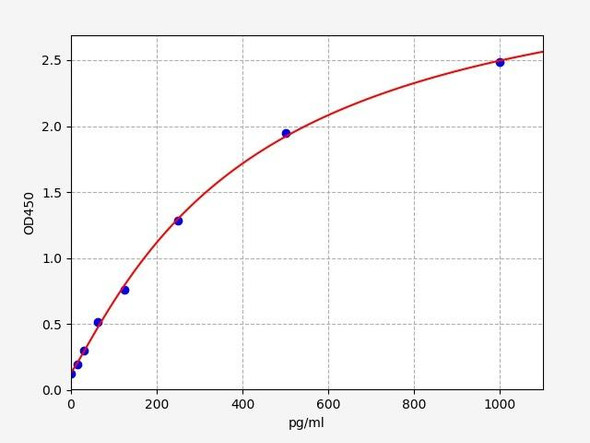

Human CAT (Catalase) ELISA Kit (HUFI07676)
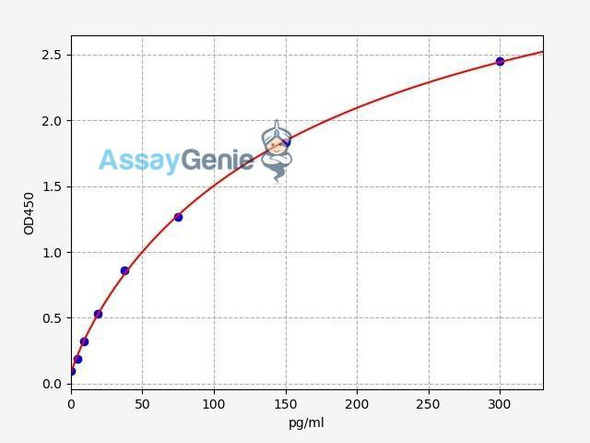
Human IL-6 ELISA Kit (HUFI00180)
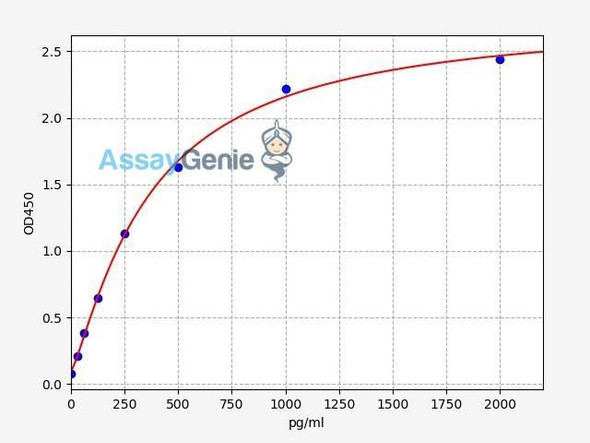
Human CRP ELISA Kit (HUFI00088)

Serotonin ELISA Kit (UNFI0018)


Human MICA ELISA Kit (HUFI00015)

Fatty Acid Oxidation (FAO) Assay Kit (BR00001)

Anti-Mouse IFNAR-1 In Vivo Antibody - Low Endotoxin (IVMB0202)

Anti-Mouse CD25 In Vivo Antibody - Low Endotoxin (IVMB0148)

Anti-Mouse NK1.1 In Vivo Antibody - Low Endotoxin (IVMB0100)
![Anti-Mouse PD-1 (CD279) [RMP1-14] In Vivo Antibody - Low Endotoxin](https://cdn11.bigcommerce.com/s-h68l9z2lnx/images/stencil/590x590/products/214372/569320/anti-mouse-pd-1-cd279-rmp1-14-in-vivo-antibody-low-endotoxin__18202.1743527968.jpg?c=2 "Anti-Mouse PD-1 (CD279) [RMP1-14] In Vivo Antibody - Low Endotoxin")
Anti-Mouse PD-1 Antibody [RMP1-14] In Vivo-Low Endotoxin (IVMB0037)


LSAMP Rabbit Polyclonal Antibody (CAB14248)
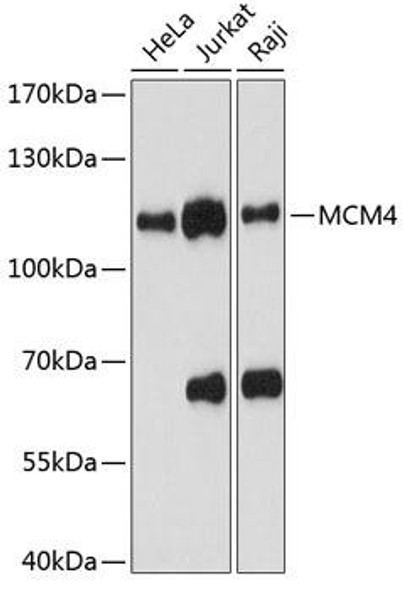
MCM4 Rabbit Polyclonal Antibody (CAB13513)

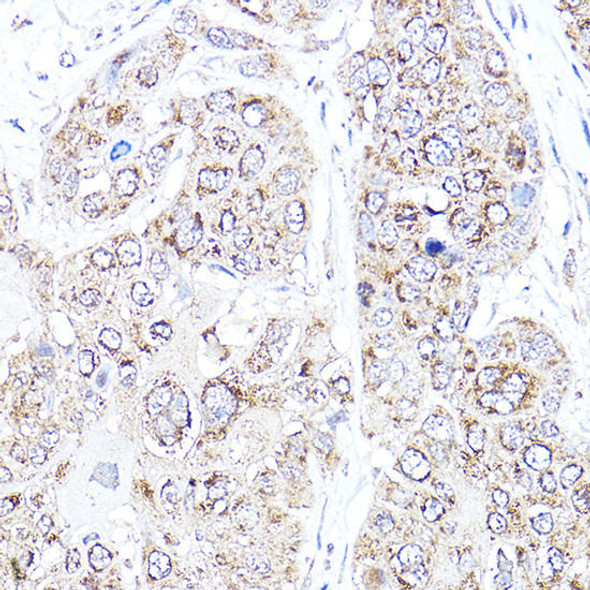
VEGF Rabbit Polyclonal Antibody (CAB12303)

MDA ELISA Kit (UNFI0048)

PGE2 ELISA Kit (UNFI0032)

