
-
GeniePlex Featured Publications(Page)
NK Cells: Unlocking the Potential of Natural Killer Cells in Cancer Therapy(Post)
Natural killer (NK) cells are a crucial component of the innate immune system and play a significant role in eliminating tumor cells. Unlike T cells, NK cells can recognize and kill cance
Anti-PD-L1: Targeting Tumor Evasion with Immune Checkpoint Blockade(Post)IntroductionCancer cells have developed sophisticated mechanisms to evade the immune system, particularly through the inhibition of T-cell responses. One such mechanism involves the progr
Amino Acid and Protein Assays(Page) Genieplex Multiplex Citations(Page) Gut Homing and Tissue-Resident Memory: How T Cells Stay Put(Post)A T cell does not choose which tissue to defend. The tissue chose it, during priming. A naive T cell has no tropism at all; it acquires one from the dendritic cell that activates it, and the instruct
Fenofibrate Usage for Diabetes Damage(Post)Fenofibrate, also known as FEN, is a drug that is used to lower cholesterol levels. It works by blocking the absorption of dietary cholesterol in the small intestine and therefore, red
EGF Family (Post)Epidermal Growth Factor (EGF) is a protein that stimulates cell growth and differentiation by binding to its receptor epidermal growth factor receptor (EGFR) which triggers ligand-induced d
IL-9 Signaling and Its Impact on Immune Cell Regulation(Post)Interleukin-9 (IL-9) plays a critical role in the immune system, influencing a variety of biological functions across different immune cell types. This article provides an in-depth look at the sig
TIM-3: Targeting T Cell Exhaustion for Better Immunotherapy Outcomes(Post)T cell immunoglobulin and mucin-domain containing-3 (TIM-3) is an immune checkpoint receptor that plays a pivotal role in T cell exhaustion, a state where T cells lose their ability to ef
Allorecognition, Transplant Rejection & GvHD(Page) Adhesion molecules in atherosclerosis – ICAM1(Post)Adhesion Molecules Direct cell-cell interactions are maintained and regulated by cell adhesion molecules. The expression of adhesion molecules
Adenosine Axis — CD39, CD73 and A2A Receptors(Page) Fc Receptors Explained: ADCC, ADCP, CDC and the CD32B Brake(Post)An antibody's variable domains decide what it binds. Its Fc decides what happens next — and that is not a detail of formulation, it is half the mechanism. Which Fcγ receptor the constant region engag
T-Cell Engagers: Signal 1 Without Signal 2(Post)A T-cell engager does not give the T cell an instruction. It gives it an address. A bispecific antibody with one arm on CD3 and the other on a tumour antigen forces two membranes into contact and let
Mucosal Homing and Tissue-Resident Memory(Page) NLRP3 Inflammasome and Pyroptosis: Pathway, Function and Assays(Post)The inflammasome is one of the few innate pathways that destroys the cell it activates. A macrophage that assembles NLRP3 has committed to a decision it cannot reverse: a priming signal through TLR4
IL-10 signalling and regulation(Post)Explore the complexities of Interleukin-10 (IL-10) signaling and regulation, a crucial aspect in immune response modulation and its dual roles in cancer development and therapy. Key Takeaways:
Exosomes - Discovery, Cargo, Biogenesis & Functions(Post)by Ryan Wallis, PhD student, QMUL, Blizard Institute The microscopic world of cell biology was first explored by Robert Hooke in the 17th century and published in his work, Microgra
SLAMF7: Activating Natural Killer Cells for Potent Anti-Cancer Responses(Post)Introduction to SLAMF7 in Cancer Immunotherapy SLAMF7, also known as Signaling Lymphocytic Activation Molecule F7, is a surface receptor found on natural killer (NK) cells, T cells, plasm
One Ligand, Two Receptors, Opposite Jobs: TNFR1 vs TNFR2(Post)Blocking TNF cures rheumatoid arthritis in some patients and triggers demyelination in others. That is not a dosing problem, and it is not a patient-selection problem. It is the direct consequence of
Mesenchymal Stem Cell Differentiation Pathways: Unraveling Lineage-Specific Markers(Post)The intricate process of mesenchymal stem cell (MSC) differentiation is a cornerstone of developmental biology and regenerative medicine. Mesenchymal stem cells, renowned for their self-renewal ca
Understanding CD16: A Comprehensive Overview(Post)CD16, also known as FcγRIII (Fc gamma receptor III), plays a crucial role in the immune system, serving as a receptor for the Fc region of immunoglobulin G (IgG). This receptor is a key player in
Protein Kinases: Overview, Classification and Therapeutic Potential(Post)Cell Signalling · EnzymologyProtein Kinases: Function, Classification, Structure and InhibitorsProtein kinases transfer a phosphate group from ATP onto specific residues of target proteins, switching
GPCRs (G Protein Coupled Receptors): A Guide(Post)Cell Signalling · Receptor BiologyGPCRs (G Protein-Coupled Receptors): A Complete GuideG protein-coupled receptors are the largest family of cell-surface receptors in the human genome and the ta
Targeting IL-10R: Enhancing Immune Activation in Cancer(Post)Introduction to IL-10R and Immune Suppression in CancerThe interleukin-10 receptor (IL-10R) is a key player in regulating immune responses, particularly in suppressing inflammation and ma
Understanding CD16: A Comprehensive Overview(Post)CD16, also known as FcγRIII (Fc gamma receptor III), plays a crucial role in the immune system, serving as a receptor for the Fc region of immunoglobulin G (IgG). This receptor is a key player in
Th17 Cell Differentiation: Insights into Immunological Dynamics(Post)Th17 cells, a subset of T helper cells characterized by their production of interleukin-17 (IL-17), play a significant role in the immune system's response to pathogens and in the pathology of au
Blood Coagulation Pathway: Factors, Cascade & Disorders [Guide](Post)Haematology · CoagulationBlood Coagulation Pathway: Factors, Cascade and DisordersThe coagulation cascade is usually taught as two pathways converging on a common one. That framework maps neatly onto
CAR-T Cell Signalling Pathway: Costimulation, Output and Assays(Post)A chimeric antigen receptor is a synthetic protein wired into a real signalling pathway. The extracellular half is an antibody fragment; everything below the membrane is borrowed from the T-cell rece
Antibody Light Chains, Heavy Chains, Constant Regions & Tumour-Associated Antigens(Post)Immunology · Antibody BiologyAntibody Light Chains, Heavy Chains, Constant Regions & Tumour-Associated AntigensAn antibody’s specificity comes from its variable domains and its biological effect comes
ST2 and IL33(Post)ST2, a member of the IL-1R Subfamily ST2 is a member of the IL-1R subfamily and was identified in 1989 [1]. The ST2 gene is located on chromoso
TIM-3/Gal-9 Pathway in Antiparasitic Immunity(Post)Exploring the Role of TIM-3/Gal-9 in Antiparasitic ImmunityIntroductionThe immune system is a complex network of cells and molecules that work together to defend the body against pathogens, including
T-Cell Co-Stimulation and Agonist Checkpoint Signalling Explained(Post)Signal 1 tells a T cell what it is looking at; signal 2 tells it whether to care. The same peptide–MHC engagement that launches a productive effector response can just as easily install an anergy pro
Anifrolumab: Transforming Lupus Treatment with Targeted Immunotherapy(Post)Quick Facts About AnifrolumabWhat is Anifrolumab?Anifrolumab is a monoclonal antibody that targets the type I interferon receptor, playing a crucial role in treating systemic lupus eryth
Targeting CD200: Unlocking Immune Suppression in Tumors(Post)Immune evasion is one of the hallmarks of cancer, where tumor cells employ various strategies to suppress immune responses and prevent destruction by the body’s defense systems. CD200, a
Targeting VISTA: Unleashing the Power of T Cells in Cancer Therapy(Post)V-domain Ig suppressor of T cell activation (VISTA) is an emerging immune checkpoint receptor that plays a key role in suppressing T cell activity within the tumor microenvironment (TME).
ICOS: Stimulating the Immune System for Superior Cancer Therapy(Post)Immunotherapy has transformed the landscape of cancer treatment by leveraging the body’s immune system to target and destroy cancer cells. A key player in this process is Inducible T-cell
Toll-like Receptor Signalling in Neurodegenerative Disease(Post)Toll-Like Receptors The innate immune response has come under the spotlight in recent years due to its central role in propagating the pathogen
Reprogramming Regulatory T Cells: A Breakthrough in Cancer Immunotherapy(Post)A New Dawn in Cancer Treatment: Reprogramming the Immune System's Own Soldiers For decades, the fight against cancer has been a relentless battle of attrition, with treatments like chemotherapy and r
PVR: Balancing Immune Activation and Suppression in Cancer(Post)PVR (Poliovirus receptor), also known as CD155, is a molecule that plays a dual role in regulating the immune response within the tumor microenvironment. While initially discovered as a r
Cyclins and Cyclin Dependent Kinase – Review(Post)Cell Cycle · KinasesCyclins and Cyclin-Dependent Kinases: Regulation, Substrates and Mitotic ControlCDKs are inactive on their own. They require a cyclin partner, and because cyclin levels rise and fa
Metabolic Exhaustion: How Mitochondrial Dysfunction Sabotages CAR-T Cell Therapy in Solid Tumors(Post)Imagine engineering a patient's own immune cells into precision-guided missiles against cancer—cells that can seek out and destroy tumors with remarkable specificity. This is the promise of CAR-T cell
코비드-19 사이토카인 방출 증후군(Page) CD155: Breaking Immune Suppression in Tumor Environments(Post)Introduction to CD155 in Cancer ImmunotherapyCD155, also known as Poliovirus Receptor (PVR), is a transmembrane protein that plays a pivotal role in tumor immune evasion. While CD155 is n
TLR4: Unraveling the Role of Inflammation in Cancer Progression(Post)Introduction to TLR4 and Cancer Toll-like receptor 4 (TLR4) is a key component of the innate immune system, primarily responsible for detecting infections and initiating inflammatory resp
CD25 Marker(Post)CD25, a key molecule in immune regulation, is integral to the function of activated lymphocytes and regulatory T cells. It's central in mediating immune responses, with implications in autoimmune
LAG-3: Revitalizing T Cells in Exhaustion for Combination Therapies(Post)Lymphocyte Activation Gene-3 (LAG-3) is an immune checkpoint receptor that plays a critical role in regulating T cell function. In recent years, LAG-3 has emerged as a potential target fo
GITR: Boosting T Cell Activation for Enhanced Cancer Immunotherapy(Post)Glucocorticoid-induced tumor necrosis factor receptor (GITR) is an immune checkpoint molecule that plays a crucial role in regulating T cell activation and survival. In recent years, GITR
FoxP3: Understanding Regulatory T Cell Control in Tumor Immunity(Post)Introduction to FoxP3 and Regulatory T Cells in CancerFoxP3 (forkhead box P3) is a transcription factor critical for the development and function of regulatory T cells (Tregs), a speciali
ELISAの原理、プロトコル、方法とキット(Page)ELISA の原理・プロトコル・方法とキット | Assay Genie | Assay Genie
BTLA: A Key Player in Immune Regulation and Cancer Therapy(Post)Introduction to BTLA in Immune Regulation B and T lymphocyte attenuator (BTLA) is an immune checkpoint molecule that plays a critical role in regulating immune responses by suppressing T
Dual PD-1/PD-L2 Blockade: Expanding the Horizons of Cancer Immunotherapy(Post)Introduction to PD-1, PD-L1, and PD-L2 in Cancer ImmunotherapyThe PD-1/PD-L1 immune checkpoint pathway has been instrumental in cancer immunotherapy, with PD-1 (programmed death-1) inhibi
Comprehensive Guide to Mononuclear Cells(Post)Immunology · Cell IsolationPeripheral Blood Mononuclear Cells (PBMCs): Composition, Isolation and UseMononuclear cells are the leukocytes with a single, unlobed nucleus — lymphocytes and monocytes. Is
chemokine receptors and ligands(Post)Chemokines are highly conserved cytokines that control the movement of cells around the body. All 45 members of the chemokine family can be divided into 4 subfamilies depending on th
Serum vs Plasma: Key Differences & When to Use Each [Guide](Post)Sample Preparation · ImmunoassaySerum vs Plasma: Key Differences and When to Use EachSerum and plasma come from the same blood draw but are not interchangeable. One is collected after clotting, the ot
C-Reactive Protein (CRP): Function, Levels & What They Mean(Post)Biomarkers · InflammationC-Reactive Protein (CRP): Structure, Function and Clinical UseCRP is the most widely measured marker of inflammation in medicine — fast to rise, fast to fall, and entirely non
Comment choisir une protéine cytokine pour votre étude(Post)Comment choisir une protéine cytokine pour votre étude Pour une mesure fonctionnelle in vitro, privilégiez une cytokine recombinante à activité biologique validée sur la lignée cible. Pour une admini
Featured
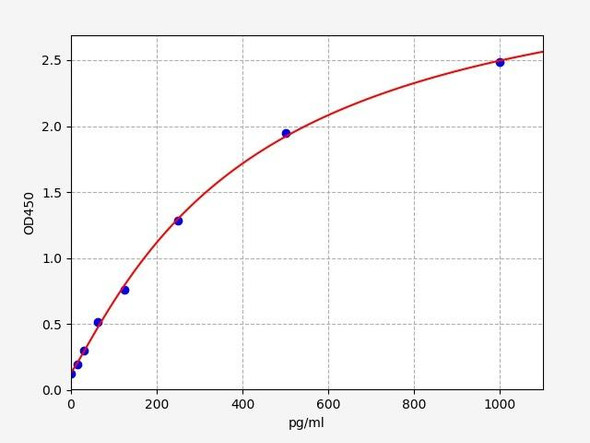

Human CAT (Catalase) ELISA Kit (HUFI07676)
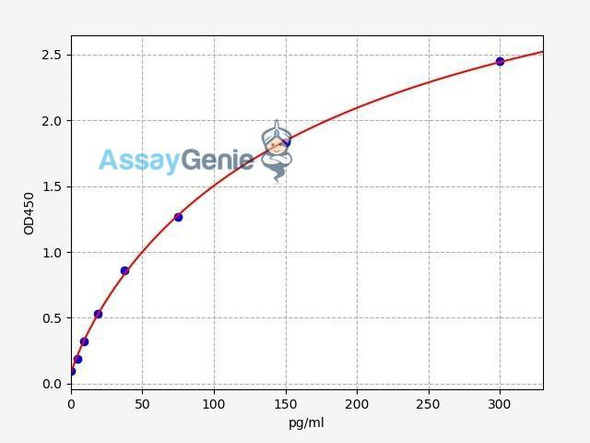
Human IL-6 ELISA Kit (HUFI00180)
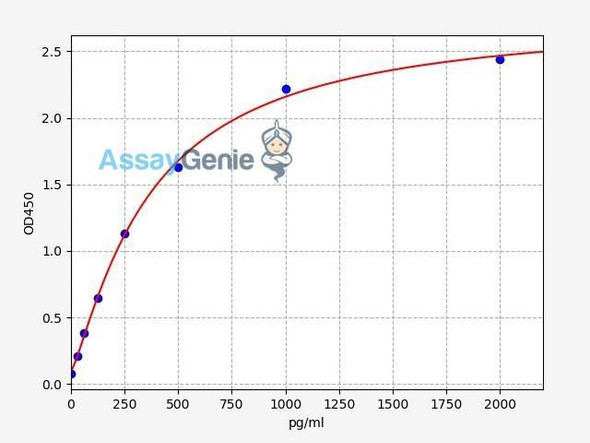
Human CRP ELISA Kit (HUFI00088)

Serotonin ELISA Kit (UNFI0018)


Human MICA ELISA Kit (HUFI00015)

Fatty Acid Oxidation (FAO) Assay Kit (BR00001)

Anti-Mouse IFNAR-1 In Vivo Antibody - Low Endotoxin (IVMB0202)

Anti-Mouse CD25 In Vivo Antibody - Low Endotoxin (IVMB0148)

Anti-Mouse NK1.1 In Vivo Antibody - Low Endotoxin (IVMB0100)
![Anti-Mouse PD-1 (CD279) [RMP1-14] In Vivo Antibody - Low Endotoxin](https://cdn11.bigcommerce.com/s-h68l9z2lnx/images/stencil/590x590/products/214372/569320/anti-mouse-pd-1-cd279-rmp1-14-in-vivo-antibody-low-endotoxin__18202.1743527968.jpg?c=2 "Anti-Mouse PD-1 (CD279) [RMP1-14] In Vivo Antibody - Low Endotoxin")
Anti-Mouse PD-1 Antibody [RMP1-14] In Vivo-Low Endotoxin (IVMB0037)


LSAMP Rabbit Polyclonal Antibody (CAB14248)
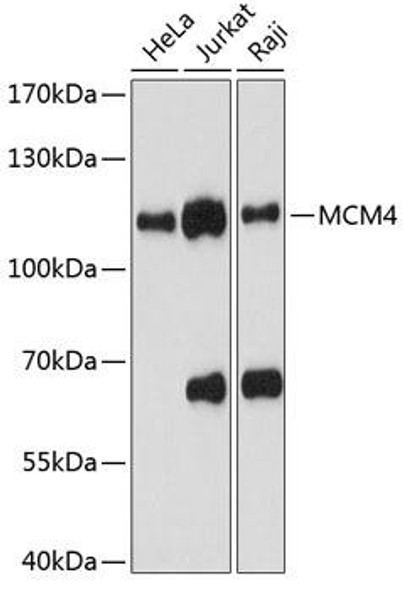
MCM4 Rabbit Polyclonal Antibody (CAB13513)

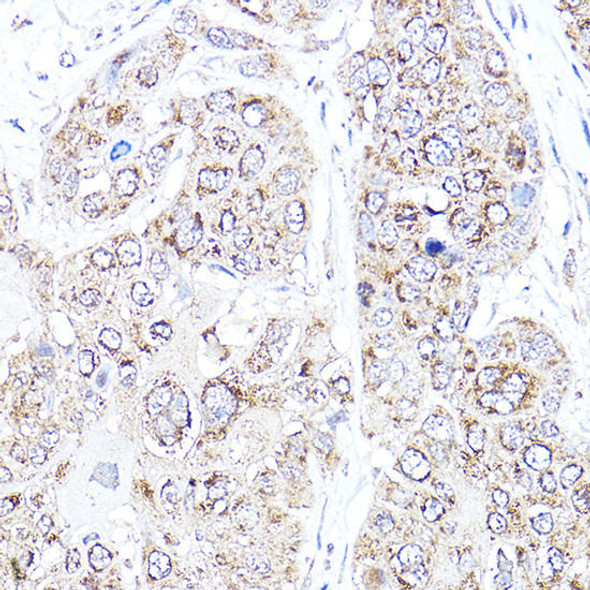
VEGF Rabbit Polyclonal Antibody (CAB12303)

MDA ELISA Kit (UNFI0048)

PGE2 ELISA Kit (UNFI0032)

