
-
Mesenchymal Stem Cell Differentiation Pathways: Unraveling Lineage-Specific Markers(Post)
The intricate process of mesenchymal stem cell (MSC) differentiation is a cornerstone of developmental biology and regenerative medicine. Mesenchymal stem cells, renowned for their self-renewal ca
The Role of Claudins in Cancer (Post)Introduction Claudins are a family of proteins that play a critical role in the formation of t
Bermekimab: Unveiling the Role of Anti-CD47 in Hidradenitis Suppurativa and Atopic Dermatitis(Post)What You Need to Know About BermekimabWhat is Bermekimab?Bermekimab is a monoclonal antibody targeting the CD47 receptor, developed to modulate the immune system and improve conditions l
Enokizumab: Exploring Its Mechanism, Clinical Applications, and Biosimilar Advancements(Post)Quick Facts About EnokizumabWhat is Enokizumab?Enokizumab is a monoclonal antibody designed to target interleukin-9 (IL-9), a cytokine involved in inflammatory responses. It has been stu
Unconventional T Cells: Already Armed, and No MHC Required(Post)Most immunology is written as though a T cell must first be told what to look for. Three lineages did not read that memo. γδ T cells, invariant NKT cells and MAIT cells leave the thymus with their ef
Microglial Functions: Immune Response + Neuroinflammation(Post)Key Takeaways: Microglia are immune cells in the CNS, originating from myeloid precursor cells. They surveil the CNS, respond to changes, and maintain neural health. Microglia exist in diff
Vesencumab: Unlocking the Potential of Anti-CD47 in Cancer Research(Post)Quick Facts About VesencumabWhat is Vesencumab?Vesencumab is an experimental monoclonal antibody designed to target CD47, a key regulator of immune evasion in cancer cells.How Does Vesen
CD4 T-Helper Differentiation: Th1, Th2, Th17, Treg and Tfh(Post)The antigen tells a CD4 T cell to respond; the cytokine tells it what kind of response to make. A naive CD4⁺ T cell leaving the thymus is uncommitted. Within about seventy-two hours of engaging TCR/C
No Ligand, No Kinase, No Problem(Post)HER2 has no ligand. HER3 has no kinase. Together they are the most potent signalling pair in human biology. That single sentence explains most of what is strange about this receptor family and all of
EGFR Pathway and YAP in Non-Small Cell Lung Cancer(Post)Understanding the EGFR Pathway and YAP in Non-Small Cell Lung CancerThe epidermal growth factor receptor (EGFR) pathway plays a pivotal role in the development and progression of non-small cell lung c
PI3K / AKT / mTOR Signalling in T Cells(Page) Canakinumab: Unraveling Its Role in Inflammatory Disease and Cancer Research(Post)Quick Facts About CanakinumabWhat is Canakinumab?Canakinumab is a human monoclonal antibody that targets interleukin-1 beta (IL-1β), reducing inflammation associated with various disease
Microglial Functions Explained: Immunity, Inflammation & Neurodegeneration(Post)Neuroscience · NeuroimmunologyMicroglial Functions: Immunity, Inflammation & NeurodegenerationMicroglia are the resident immune cells of the central nervous system — dynamic sentinels that survey the
CD73: Combating Tumor Immunosuppression by Targeting Adenosine(Post)Introduction to CD73 and Tumor Immunosuppression CD73, also known as ecto-5'-nucleotidase, is an enzyme found on the surface of various cells, including tumor cells and immune cells. It p
T-Cell Engagers: Signal 1 Without Signal 2(Post)A T-cell engager does not give the T cell an instruction. It gives it an address. A bispecific antibody with one arm on CD3 and the other on a tumour antigen forces two membranes into contact and let
The Lenti Viral Vector System: A New Way to Deliver Genetic Therapies(Post)Gene Delivery · Viral VectorsLentiviral Vectors: Design, Production and Use in Gene DeliveryLentiviral vectors integrate their cargo into the host genome and transduce dividing and non-dividing cells
How do antibodies work?(Post)Antibodies are a special class of Y shaped proteins that help guard your body from invading viruses and bacteria. They do this by either neutralizing the dangerous substance
Growth Factors Can Cooperate to Promote Tumorigenesis(Post)Introduction Tumorigenesis, the process by which normal cells transform into cancer cells, is a multifaceted and complex event influenced by various internal and external factors. Among the
Beta Actin Monoclonal Antibody(Page) Illuminating the Multifaceted Role of Acetylation: Bridging Chemistry and Biology Introduction:(Post)Acetylation, a chemical process characterized by the addition of an acetyl functional group to a molecule, stands as a cornerstone in both biochemical and biological landscapes. Its significanc
Featured
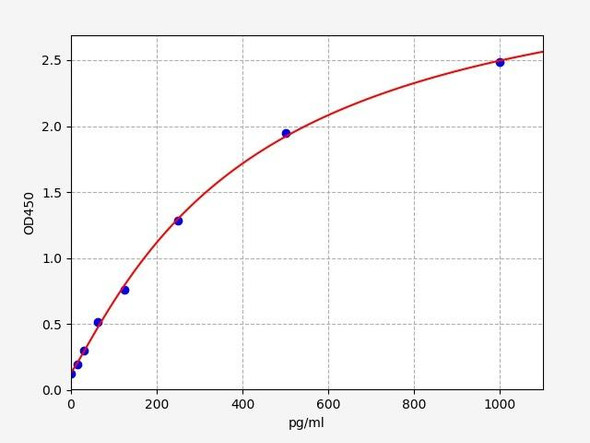

Human CAT (Catalase) ELISA Kit (HUFI07676)
- Product Code:
- HUFI07676
- Detection Method:
- Sandwich ELISA, Double Antibody
- Sensitivity:
- 9.375 pg/mL
- Range:
- 15.625-1000 pg/mL


Human MICA ELISA Kit (HUFI00015)
- Product Code:
- HUFI00015
- Detection Method:
- Sandwich ELISA, Double Antibody
- Sensitivity:
- 46.875 pg/mL
- Range:
- 78.125-5000 pg/mL

Fatty Acid Oxidation (FAO) Assay Kit (BR00001)
- Product Code:
- BR00001
- Instrument:
- Microplate Reader

Anti-Mouse IFNAR-1 In Vivo Antibody - Low Endotoxin (IVMB0202)
- Product Code:
- IVMB0202
- Antibody Type:
- Functional-Grade In Vivo Antibody
- Clone:
- MAR1-5A3
- Protein:
- IFNAR1
- Isotype:
- Mouse IgG1

Anti-Mouse CD25 In Vivo Antibody - Low Endotoxin (IVMB0148)
- Product Code:
- IVMB0148
- Antibody Type:
- Functional-Grade In Vivo Antibody
- Clone:
- PC61
- Protein:
- CD25
- Isotype:
- Rat IgG1 lambda

Anti-Mouse NK1.1 In Vivo Antibody - Low Endotoxin (IVMB0100)
- Product Code:
- IVMB0100
- Antibody Type:
- Functional-Grade In Vivo Antibody
- Clone:
- PK136
- Protein:
- NK1.1
- Isotype:
- Mouse IgG2a kappa
![Anti-Mouse PD-1 (CD279) [RMP1-14] In Vivo Antibody - Low Endotoxin](https://cdn11.bigcommerce.com/s-h68l9z2lnx/images/stencil/590x590/products/214372/569320/anti-mouse-pd-1-cd279-rmp1-14-in-vivo-antibody-low-endotoxin__18202.1743527968.jpg?c=2 "Anti-Mouse PD-1 (CD279) [RMP1-14] In Vivo Antibody - Low Endotoxin")
Anti-Mouse PD-1 Antibody [RMP1-14] In Vivo-Low Endotoxin (IVMB0037)
- Product Code:
- IVMB0037
- Antibody Type:
- Functional-Grade In Vivo Antibody
- Clone:
- RMP1-14
- Protein:
- PD-1
- Isotype:
- Rat IgG2a kappa


LSAMP Rabbit Polyclonal Antibody (CAB14248)
- Product Code:
- CAB14248
- Antibody Type:
- Polyclonal Antibody
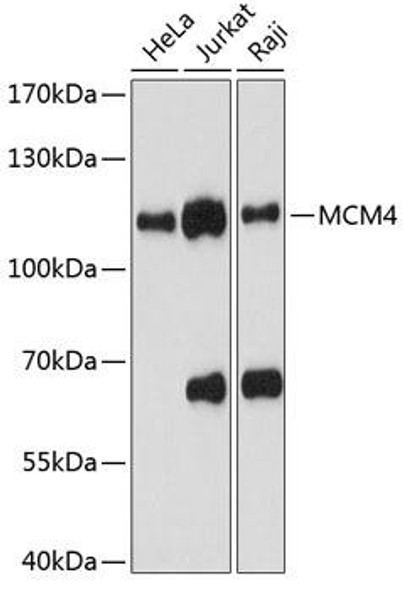
MCM4 Rabbit Polyclonal Antibody (CAB13513)
- Product Code:
- CAB13513
- Antibody Type:
- Polyclonal Antibody

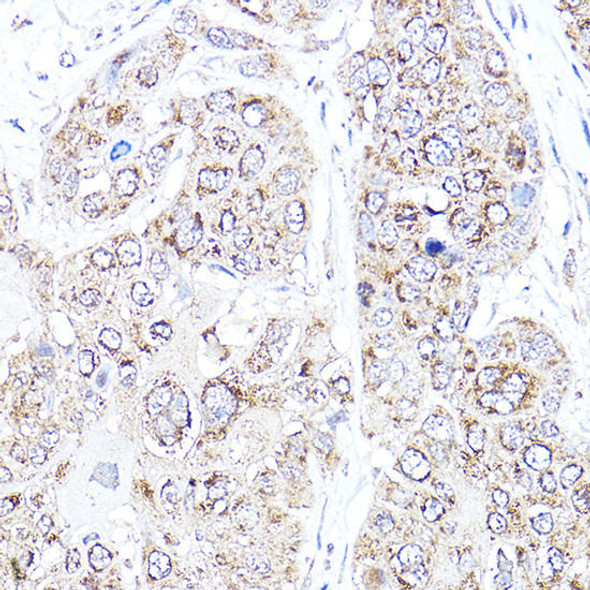
VEGF Rabbit Polyclonal Antibody (CAB12303)
- Product Code:
- CAB12303
- Antibody Type:
- Polyclonal Antibody

MDA ELISA Kit (UNFI0048)
- Product Code:
- UNFI0048
- Detection Method:
- Competitive ELISA, Coated with Antigen
- Sensitivity:
- 4.688 ng/mL
- Range:
- 7.813-500 ng/mL


Dopamine ELISA Kit (UNFI0013)
- Product Code:
- UNFI0013
- Detection Method:
- Competitive ELISA, Coated with Antigen
- Sensitivity:
- 0.938 ng/mL
- Range:
- 1.563-100 ng/mL

Serotonin ELISA Kit (UNFI0018)
- Product Code:
- UNFI0018
- Detection Method:
- Competitive ELISA, Coated with Antigen
- Sensitivity:
- 0.938 ng/mL
- Range:
- 1.563-100 ng/mL

PGE2 ELISA Kit (UNFI0032)
- Product Code:
- UNFI0032
- Detection Method:
- Competitive ELISA, Coated with Antigen
- Sensitivity:
- 18.75 pg/mL
- Range:
- 31.25-2000 pg/mL
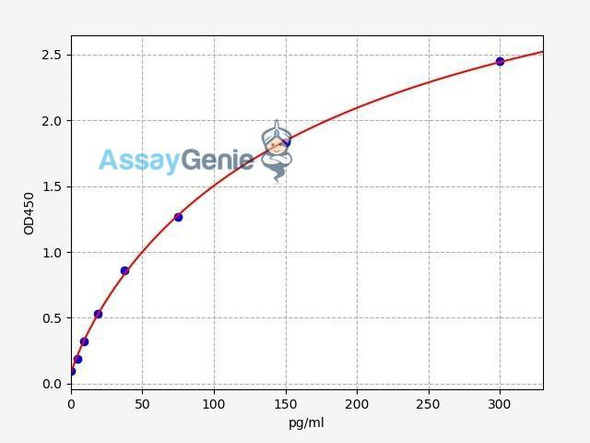
Human IL-6 ELISA Kit (HUFI00180)
- Product Code:
- HUFI00180
- Sensitivity:
- 2.813pg/ml
- Range:
- 4.688-300pg/ml
- ELISA Type:
- Sandwich
