
-
Enokizumab: Exploring Its Mechanism, Clinical Applications, and Biosimilar Advancements(Post)
Quick Facts About EnokizumabWhat is Enokizumab?Enokizumab is a monoclonal antibody designed to target interleukin-9 (IL-9), a cytokine involved in inflammatory responses. It has been stu
TA Cloning(Page) Comment choisir un panel cytokines selon votre objectif(Post)Comment choisir un panel cytokines selon votre objectif Pour une sensibilité extrême sur un nombre restreint d’analytes, privilégiez une plateforme ultra-sensible comme SIMOA. Pour multiplexer largem
Plonmarlimab: Advancing Anti-GM-CSF Therapy in Inflammatory Diseases(Post)Quick Facts About PlonmarlimabWhat is Plonmarlimab?Plonmarlimab is a monoclonal antibody targeting GM-CSF, a cytokine involved in inflammation and immune responses.How does Plonmarlimab
What Causes Acute Pancreatitis?(Post)Acute pancreatitis (AP) is a condition in which activated enzymes and inflammatory mediators released from the pancreas cause damage to the pancreas and surrounding tissues. AP is furt
Fezakinumab: Exploring Its Mechanism and Clinical Potential(Post)Quick Facts About FezakinumabWhat is Fezakinumab?Fezakinumab is a human IgG1-lambda monoclonal antibody that targets interleukin-22 (IL-22), a cytokine involved in inflammatory responses
Unconventional T Cells: Gamma Delta, iNKT and MAIT(Page) Sensing Danger: The Biology of TLR-Mediated Inflammation(Post)By Eoin Mac Réamoinn Toll-like receptors (TLRs) are renowned for their fundamental roles in innate sensing and initiating inflammatory responses. TLRs acco
Macrophage Activation: A Keystone in Immune Response and Therapeutic Potential(Post)In the intricate tapestry of the immune system, macrophages play a pivotal role, orchestrating a wide range of biological responses that protect the body against pathogens, remove cellular debris,
Complete T Helper Cell Guide: Th1, Th2, Th17 & Functions(Post)The Th1 Pathway In this guide, we will explore the differences between TH1 and TH2 cells, their crucial roles in the immune system, and the contributions of cytokines and transcription f
Neuroimmunology: The Immune System of the CNS(Post)What is Neuroimmunology? Neuroimmunology is a multidisciplinary scientific field dedicated to investigating the intricate and bidirectional interactions between the c
ELISAの原理、プロトコル、方法とキット(Page)ELISA の原理・プロトコル・方法とキット | Assay Genie | Assay Genie
B-cell activation and the germinal centre reaction(Page) Dupilumab: Transforming Immunotherapy and Skin Disease Management(Post)What You Need to Know About DupilumabWhat is Dupilumab?Dupilumab is a fully human monoclonal antibody designed to treat various chronic inflammatory diseases by inhibiting key cytokines
Freezing Stimulated T Cells: A Detailed Guide(Post)Cryopreservation of stimulated T cells is a common technique in immunology research, allowing for long-term storage while maintaining their functional viability. Stimulated T cells—especi
Unconventional T Cells: Already Armed, and No MHC Required(Post)Most immunology is written as though a T cell must first be told what to look for. Three lineages did not read that memo. γδ T cells, invariant NKT cells and MAIT cells leave the thymus with their ef
Evite 3–6 meses de retrabajo: selección de anticuerpos para investigadores(Post)Evite 3–6 meses de retrabajo: selección de anticuerpos para investigadores La selección de anticuerpos consiste en identificar y validar la molécula con la especificidad y el desempeño necesarios par
Dendritic Cells - Markers, Activation & Subtypes(Post)Immunology · Antigen PresentationDendritic Cells: Markers, Activation and SubtypesDendritic cells are the professional antigen-presenting cells that decide whether an immune response happens at all. T
Immune Regulation in COVID-19 (Post)Immune Regulation in COVID-19: Immunomodulatory Mechanisms against SARS-CoV-2 Infection What is COVID-19?
Basiliximab: Mechanism, Clinical Applications, and Research Advancements(Post)Quick Facts About BasiliximabWhat is Basiliximab?Basiliximab is a monoclonal antibody targeting the CD25 subunit of the IL-2 receptor, primarily used to prevent organ transplant rejectio
Featured
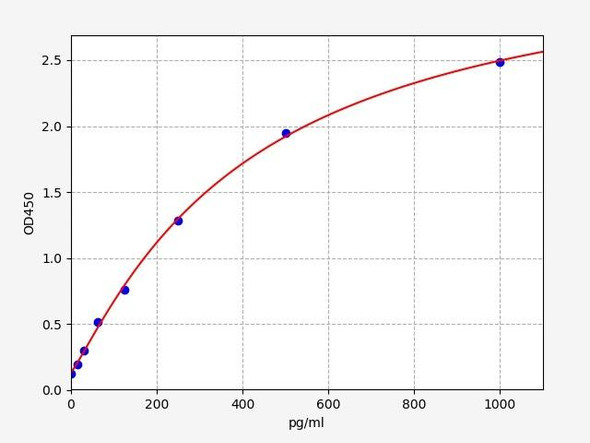

Human CAT (Catalase) ELISA Kit (HUFI07676)
- Product Code:
- HUFI07676
- Detection Method:
- Sandwich ELISA, Double Antibody
- Sensitivity:
- 9.375 pg/mL
- Range:
- 15.625-1000 pg/mL


Human MICA ELISA Kit (HUFI00015)
- Product Code:
- HUFI00015
- Detection Method:
- Sandwich ELISA, Double Antibody
- Sensitivity:
- 46.875 pg/mL
- Range:
- 78.125-5000 pg/mL

Fatty Acid Oxidation (FAO) Assay Kit (BR00001)
- Product Code:
- BR00001
- Instrument:
- Microplate Reader

Anti-Mouse IFNAR-1 In Vivo Antibody - Low Endotoxin (IVMB0202)
- Product Code:
- IVMB0202
- Antibody Type:
- Functional-Grade In Vivo Antibody
- Clone:
- MAR1-5A3
- Protein:
- IFNAR1
- Isotype:
- Mouse IgG1

Anti-Mouse CD25 In Vivo Antibody - Low Endotoxin (IVMB0148)
- Product Code:
- IVMB0148
- Antibody Type:
- Functional-Grade In Vivo Antibody
- Clone:
- PC61
- Protein:
- CD25
- Isotype:
- Rat IgG1 lambda

Anti-Mouse NK1.1 In Vivo Antibody - Low Endotoxin (IVMB0100)
- Product Code:
- IVMB0100
- Antibody Type:
- Functional-Grade In Vivo Antibody
- Clone:
- PK136
- Protein:
- NK1.1
- Isotype:
- Mouse IgG2a kappa

Anti-Mouse PD-1 Antibody [RMP1-14] In Vivo-Low Endotoxin (IVMB0037)
- Product Code:
- IVMB0037
- Antibody Type:
- Functional-Grade In Vivo Antibody
- Clone:
- RMP1-14
- Protein:
- PD-1
- Isotype:
- Rat IgG2a kappa


LSAMP Rabbit Polyclonal Antibody (CAB14248)
- Product Code:
- CAB14248
- Antibody Type:
- Polyclonal Antibody
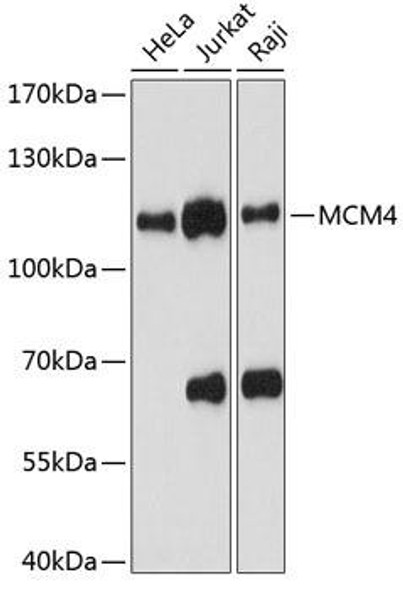
MCM4 Rabbit Polyclonal Antibody (CAB13513)
- Product Code:
- CAB13513
- Antibody Type:
- Polyclonal Antibody

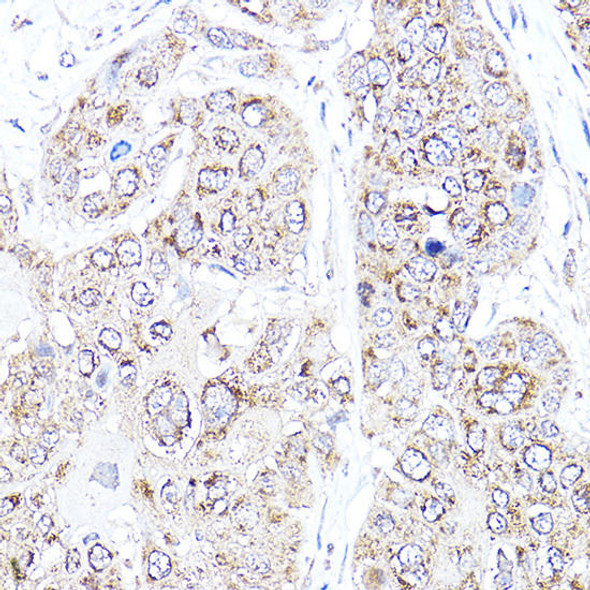
VEGF Rabbit Polyclonal Antibody (CAB12303)
- Product Code:
- CAB12303
- Antibody Type:
- Polyclonal Antibody

MDA ELISA Kit (UNFI0048)
- Product Code:
- UNFI0048
- Detection Method:
- Competitive ELISA, Coated with Antigen
- Sensitivity:
- 4.688 ng/mL
- Range:
- 7.813-500 ng/mL


Dopamine ELISA Kit (UNFI0013)
- Product Code:
- UNFI0013
- Detection Method:
- Competitive ELISA, Coated with Antigen
- Sensitivity:
- 0.938 ng/mL
- Range:
- 1.563-100 ng/mL

Serotonin ELISA Kit (UNFI0018)
- Product Code:
- UNFI0018
- Detection Method:
- Competitive ELISA, Coated with Antigen
- Sensitivity:
- 0.938 ng/mL
- Range:
- 1.563-100 ng/mL

PGE2 ELISA Kit (UNFI0032)
- Product Code:
- UNFI0032
- Detection Method:
- Competitive ELISA, Coated with Antigen
- Sensitivity:
- 18.75 pg/mL
- Range:
- 31.25-2000 pg/mL
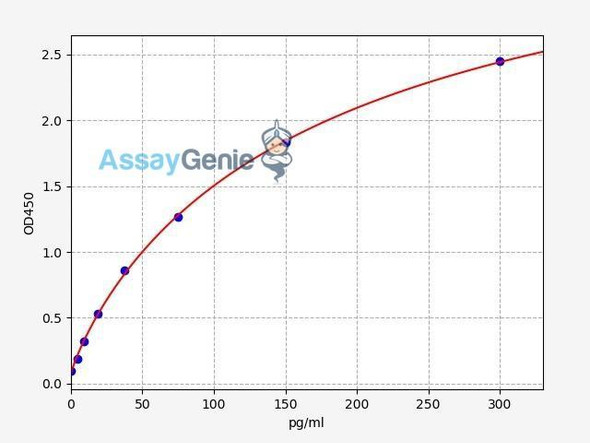
Human IL-6 ELISA Kit (HUFI00180)
- Product Code:
- HUFI00180
- Sensitivity:
- 2.813pg/ml
- Range:
- 4.688-300pg/ml
- ELISA Type:
- Sandwich
