
-
Trauma Immunology(Post)
Traumatic injuries & death When I ask people what the leading cause of death is in the United States in people age 44 and under, they generally reply saying
Histamine Receptors: Gatekeepers of Immunological and Neurological Responses(Post)Immunology · NeuroscienceHistamine Receptors: H1, H2, H3 & H4 ExplainedHistamine receptors are the G protein-coupled receptors through which histamine controls allergy, gastric acid secretion, neurotr
Th17 Cell Differentiation: Insights into Immunological Dynamics(Post)Th17 cells, a subset of T helper cells characterized by their production of interleukin-17 (IL-17), play a significant role in the immune system's response to pathogens and in the pathology of au
Data Science for Immunologists | Assay Genie(Post)By Dr. Niclas Thomas “Data science” is a recent addition to the vocabulary of analytics, and can mean many different things to different people. As far as
Neuroimmunology: The Immune System of the CNS(Post)What is Neuroimmunology? Neuroimmunology is a multidisciplinary scientific field dedicated to investigating the intricate and bidirectional interactions between the c
Immuno-Biomaterial Development | Assay Genie(Post)Background I am a 3rd year PhD student in Trinity College Dublin and my project is very much an interdisciplinary one. I’m very lucky to get to work between two great labs, Dr. Aisling Dunn
Data Analysis in Flow Cytometry: Harnessing Complexity for Scientific Insight(Post)Flow cytometry is a powerful analytical technology employed in cell biology, immunology, and oncology research. It enables the rapid measurement of physical and chemical characteristics of cells o
How we can target the underlying immune processes in pathological inflammation in obesity, cancer and liver disease.(Post)Dr. Melissa Conroy, TTMI I am an immunologist and senior research fellow in the Cancer Immunology and Immunotherapy Group, Department of Surgery at Trinity
Navigating the Intricacies of Intracellular Flow Cytometry: Key Considerations(Post)In the evolving landscape of cellular biology, intracellular flow cytometry (ICFC) stands out as a powerful technique for analyzing the complexities within cells. This advanced method extends the
The Complement System - pathways & function in the immune system(Post)The Complement System Function Gone are the days when the complement system was considered solely a companion of its impressive adaptive immune system counte
CD52 Expression(Post)What is CD52? Cluster Of Differentiation 52 (CD52) is a highly expressed membrane glycoprotein which is present on the surface of immune cell
Understanding Antibody Staining for Antigen Detection in Flow Cytometry(Post)Flow cytometry stands as a pivotal technique in the realms of molecular biology and immunology, enabling the analysis of physical and chemical characteristics of cells or particles as they flow in
Immunoglobulin vs Antibody: Unveiling the Intricacies(Post)In the realm of immunology, the terms "immunoglobulin" and "antibody" often find themselves used interchangeably, sparking confusion among those keen on understanding the immune system's fine deta
Understanding CD16: A Comprehensive Overview(Post)CD16, also known as FcγRIII (Fc gamma receptor III), plays a crucial role in the immune system, serving as a receptor for the Fc region of immunoglobulin G (IgG). This receptor is a key player in
Understanding CD16: A Comprehensive Overview(Post)CD16, also known as FcγRIII (Fc gamma receptor III), plays a crucial role in the immune system, serving as a receptor for the Fc region of immunoglobulin G (IgG). This receptor is a key player in
Hybridoma Technology: Revolutionizing Antibody Production(Post)Immunology · Antibody ProductionHybridoma Technology: How Monoclonal Antibodies Are MadeHybridoma technology, pioneered by Georges Köhler and César Milstein in 1975, is the method that made monoclonal
IL-1 Family Signaling: Unraveling the Molecular Orchestra of Immune Regulation(Post)The Interleukin-1 (IL-1) family represents a crucial group of signaling molecules that play a pivotal role in regulating the immune system and inflammatory responses. Comprising 11 members, inc
TNF alpha & Inflammation(Post)Immunology · Cytokine SignallingTNF-alpha and Inflammation: Structure, Signalling & TherapyTumour necrosis factor alpha (TNF-α) is one of the most important pro-inflammatory cytokines in the body. Sig
The Importance of Immunohistochemistry Training in Modern Scientific Research(Post)Immunohistochemistry (IHC) stands as a critical tool in the realm of biomedical research and diagnostic practices, offering a bridge between molecular insights and the intricate visualization of t
Inflammasome Activation Pathways: A Comprehensive Overview(Post)Inflammasomes are complex intracellular structures that play a pivotal role in the immune response by detecting pathogenic microorganisms and sterile stressors. Their activation is a critical step
Featured
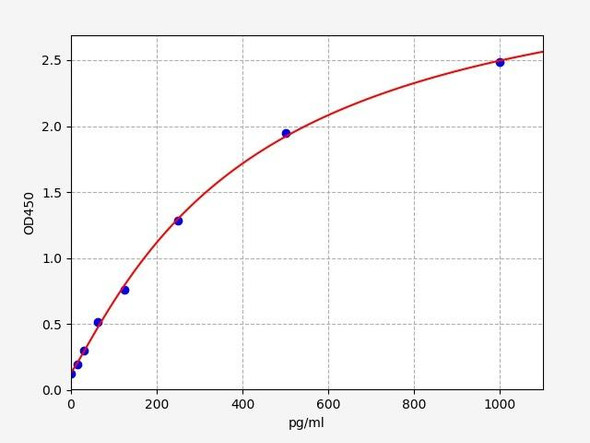

Human CAT (Catalase) ELISA Kit (HUFI07676)
- Product Code:
- HUFI07676
- Detection Method:
- Sandwich ELISA, Double Antibody
- Sensitivity:
- 9.375 pg/mL
- Range:
- 15.625-1000 pg/mL


Human MICA ELISA Kit (HUFI00015)
- Product Code:
- HUFI00015
- Detection Method:
- Sandwich ELISA, Double Antibody
- Sensitivity:
- 46.875 pg/mL
- Range:
- 78.125-5000 pg/mL

Fatty Acid Oxidation (FAO) Assay Kit (BR00001)
- Product Code:
- BR00001
- Instrument:
- Microplate Reader

Anti-Mouse IFNAR-1 In Vivo Antibody - Low Endotoxin (IVMB0202)
- Product Code:
- IVMB0202
- Antibody Type:
- Functional-Grade In Vivo Antibody
- Clone:
- MAR1-5A3
- Protein:
- IFNAR1
- Isotype:
- Mouse IgG1

Anti-Mouse CD25 In Vivo Antibody - Low Endotoxin (IVMB0148)
- Product Code:
- IVMB0148
- Antibody Type:
- Functional-Grade In Vivo Antibody
- Clone:
- PC61
- Protein:
- CD25
- Isotype:
- Rat IgG1 lambda

Anti-Mouse NK1.1 In Vivo Antibody - Low Endotoxin (IVMB0100)
- Product Code:
- IVMB0100
- Antibody Type:
- Functional-Grade In Vivo Antibody
- Clone:
- PK136
- Protein:
- NK1.1
- Isotype:
- Mouse IgG2a kappa
![Anti-Mouse PD-1 (CD279) [RMP1-14] In Vivo Antibody - Low Endotoxin](https://cdn11.bigcommerce.com/s-h68l9z2lnx/images/stencil/590x590/products/214372/569320/anti-mouse-pd-1-cd279-rmp1-14-in-vivo-antibody-low-endotoxin__18202.1743527968.jpg?c=2 "Anti-Mouse PD-1 (CD279) [RMP1-14] In Vivo Antibody - Low Endotoxin")
Anti-Mouse PD-1 Antibody [RMP1-14] In Vivo-Low Endotoxin (IVMB0037)
- Product Code:
- IVMB0037
- Antibody Type:
- Functional-Grade In Vivo Antibody
- Clone:
- RMP1-14
- Protein:
- PD-1
- Isotype:
- Rat IgG2a kappa


LSAMP Rabbit Polyclonal Antibody (CAB14248)
- Product Code:
- CAB14248
- Antibody Type:
- Polyclonal Antibody
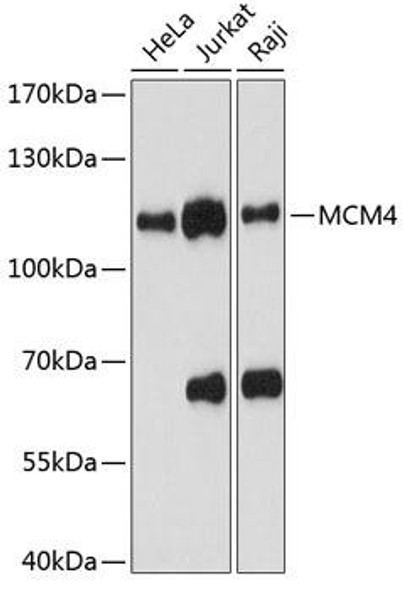
MCM4 Rabbit Polyclonal Antibody (CAB13513)
- Product Code:
- CAB13513
- Antibody Type:
- Polyclonal Antibody

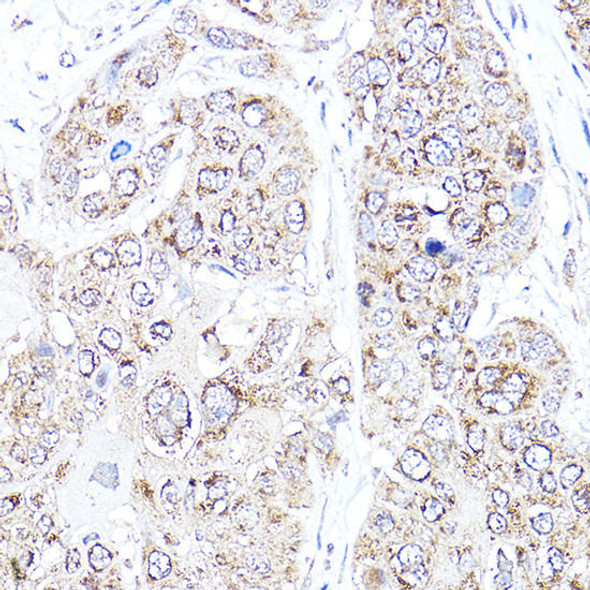
VEGF Rabbit Polyclonal Antibody (CAB12303)
- Product Code:
- CAB12303
- Antibody Type:
- Polyclonal Antibody

MDA ELISA Kit (UNFI0048)
- Product Code:
- UNFI0048
- Detection Method:
- Competitive ELISA, Coated with Antigen
- Sensitivity:
- 4.688 ng/mL
- Range:
- 7.813-500 ng/mL


Dopamine ELISA Kit (UNFI0013)
- Product Code:
- UNFI0013
- Detection Method:
- Competitive ELISA, Coated with Antigen
- Sensitivity:
- 0.938 ng/mL
- Range:
- 1.563-100 ng/mL

Serotonin ELISA Kit (UNFI0018)
- Product Code:
- UNFI0018
- Detection Method:
- Competitive ELISA, Coated with Antigen
- Sensitivity:
- 0.938 ng/mL
- Range:
- 1.563-100 ng/mL

PGE2 ELISA Kit (UNFI0032)
- Product Code:
- UNFI0032
- Detection Method:
- Competitive ELISA, Coated with Antigen
- Sensitivity:
- 18.75 pg/mL
- Range:
- 31.25-2000 pg/mL
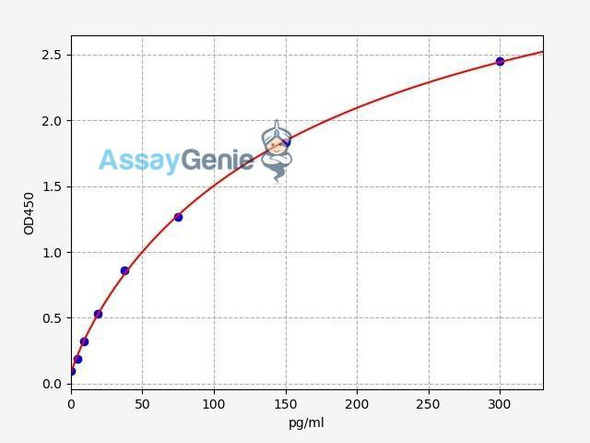
Human IL-6 ELISA Kit (HUFI00180)
- Product Code:
- HUFI00180
- Sensitivity:
- 2.813pg/ml
- Range:
- 4.688-300pg/ml
- ELISA Type:
- Sandwich
