
TNF alpha & Inflammation
TNF-alpha and Inflammation: Structure, Signalling & Therapy
Tumour necrosis factor alpha (TNF-α) is one of the most important pro-inflammatory cytokines in the body. Signalling through two receptors to drive both inflammation and cell death, it sits at the centre of the immune response — and its overactivity underlies autoimmune diseases from rheumatoid arthritis to inflammatory bowel disease, making it a landmark drug target.
Explore TNF-alpha pathway kits →Key Takeaways
- TNF-α is a major pro-inflammatory cytokine produced mainly by macrophages.
- It signals through two receptors, TNFR1 and TNFR2, with distinct effects.
- Downstream, TNF-α activates NF-κB to drive inflammation and cell survival, or triggers apoptosis.
- Excess TNF-α drives rheumatoid arthritis, inflammatory bowel disease and psoriasis.
- TNF inhibitors such as adalimumab and infliximab are cornerstone autoimmune therapies.
- TNF-α acts alongside cytokines such as IL-6 and IL-1β in the inflammatory response.
TNF-alpha Pathway ELISA Kits
From TNF-α itself and its two receptors to the downstream transcription factor and partner cytokines, these validated ELISA kits cover the inflammatory pathway.
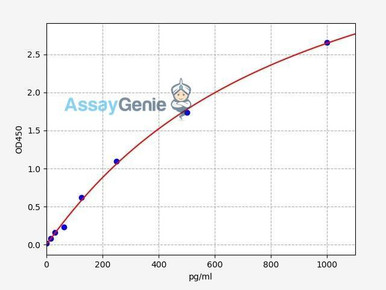
TNF-alpha ELISA Kit
The central pro-inflammatory cytokine of the innate immune response.
View kit →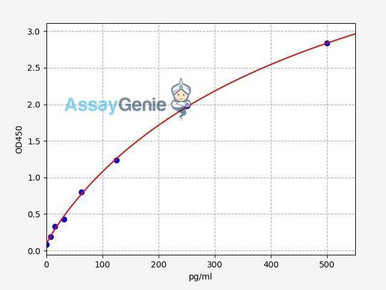
Soluble TNFR1 (TNFRSF1A) ELISA Kit
The death-domain receptor that drives both inflammation and apoptosis.
View kit →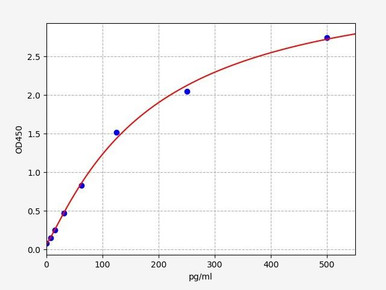
Soluble TNFR2 (TNFRSF1B) ELISA Kit
Expressed on immune cells, favouring survival and regulatory signals.
View kit →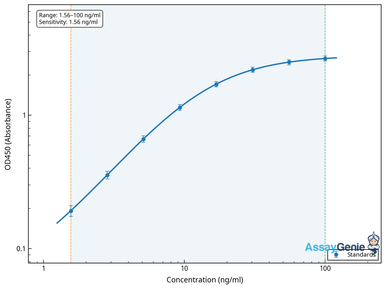
NF-κB p65 (RelA) ELISA Kit
The master switch TNF-α activates to turn on inflammatory genes.
View kit →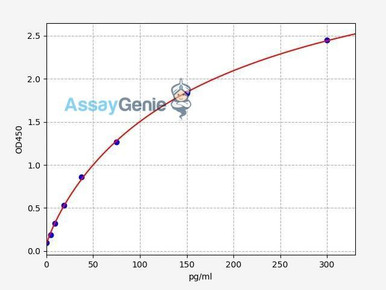
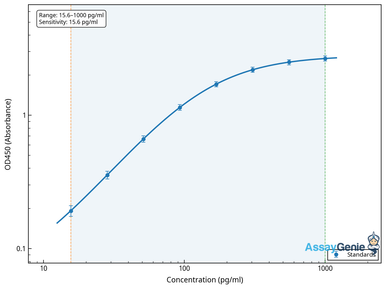
IL-1 beta ELISA Kit
A partner cytokine amplifying the TNF-driven inflammatory cascade.
View kit →What is TNF-alpha?
Tumour necrosis factor alpha (TNF-α) is a pro-inflammatory cytokine and a founding member of the TNF superfamily. It is produced chiefly by activated macrophages, but also by T cells, natural killer cells and others, in response to infection and tissue injury. It was named for its ability to trigger the death — necrosis — of certain tumour cells, but its true importance lies in its role as a master regulator of inflammation.
Structurally, TNF-α is first made as a membrane-bound protein that is cleaved by the enzyme TACE to release a soluble form. Both forms assemble into a homotrimer — three identical chains — and it is this trimeric molecule that binds and clusters its receptors to switch on signalling.
The Function of TNF-alpha
TNF-α orchestrates the body’s response to threat. It makes blood vessels more permeable and studded with adhesion molecules so that immune cells can leave the circulation and reach infected tissue, it activates macrophages and neutrophils, and it induces fever and the production of other inflammatory mediators. In short bursts this is a powerful and protective defence.
Sustained or excessive TNF-α, however, becomes damaging. Chronic production drives the tissue destruction seen in autoimmune disease and contributes to cachexia — the severe wasting associated with cancer and chronic infection.
TNF Receptors and Signalling
TNF-α acts through two distinct receptors. TNFR1 (TNFRSF1A) is expressed on almost all cell types and carries an intracellular death domain, allowing it to trigger both inflammation and programmed cell death. TNFR2 (TNFRSF1B) is largely restricted to immune and endothelial cells and tends to promote cell survival, proliferation and regulatory functions.
The two receptors also exist in soluble forms, shed from the cell surface, which can buffer circulating TNF-α — and which are useful biomarkers of TNF-pathway activity.
The TNF Signalling Pathway
When TNF-α clusters TNFR1, the receptor recruits adaptor proteins that build a signalling complex. This complex can follow two very different routes. In the survival route, it activates the transcription factor NF-κB (p65/RelA), which translocates to the nucleus and switches on genes for inflammation, immune activation and cell survival — including other cytokines such as IL-6 and IL-1β.
Alternatively, if NF-κB signalling is blocked, the complex assembles a death-inducing platform that activates caspases and drives the cell into apoptosis. The balance between these NF-κB survival and caspase death pathways determines whether a cell responds to TNF-α by mounting inflammation or by dying.
TNF-alpha in Inflammatory Disease
Because TNF-α is such a powerful driver of inflammation, its chronic overproduction is central to many autoimmune and inflammatory diseases. It is a key player in rheumatoid arthritis, where it fuels the joint destruction, in inflammatory bowel disease such as Crohn’s and ulcerative colitis, and in psoriasis and ankylosing spondylitis. In each, a self-sustaining loop of TNF-α and other cytokines perpetuates tissue damage.
Targeting TNF: TNF Inhibitors
The recognition of TNF-α as a central inflammatory driver led to one of the great success stories of modern medicine: TNF inhibitors. These biologic drugs — including the monoclonal antibodies adalimumab and infliximab, and the receptor-fusion protein etanercept — neutralise TNF-α or block its receptors, dramatically reducing inflammation.
TNF inhibitors have transformed the treatment of rheumatoid arthritis, inflammatory bowel disease and psoriasis, and remain among the best-selling drugs in the world. Because they suppress a key immune signal, they must be balanced against a raised risk of infection — a reminder of how central TNF-α is to normal defence.
Measure the TNF Pathway with Assay Genie
Quantify TNF-α, its soluble receptors TNFR1 and TNFR2, downstream NF-κB, and partner cytokines IL-6 and IL-1β with validated ELISA kits for immunology and inflammation research.
Browse the full ELISA kit range →Frequently Asked Questions
What is TNF-alpha?
TNF-α is a pro-inflammatory cytokine produced mainly by macrophages that orchestrates the immune response to infection and injury.
What are the TNF receptors?
TNF-α signals through TNFR1, found on most cells and able to trigger inflammation and apoptosis, and TNFR2, mostly on immune cells and favouring survival.
How does TNF-alpha cause inflammation?
By activating the transcription factor NF-κB, which switches on genes for inflammation and other cytokines such as IL-6 and IL-1β.
What diseases is TNF-alpha involved in?
Chronic TNF-α drives rheumatoid arthritis, inflammatory bowel disease, psoriasis and other autoimmune conditions.
What are TNF inhibitors?
Biologic drugs such as adalimumab, infliximab and etanercept that block TNF-α to treat inflammatory and autoimmune disease.
Recent Posts
-
Suspected Plague Death at a Siberian Anti-Plague Institute: What Researchers Should Know
Infectious Disease · News AnalysisSuspected Plague Death at a Siberian Anti-Plague Institute: What …6th Oct 2026 -
LPS ELISA Troubleshooting: The Importance of Sample Nature
Quick answer A researcher measuring circulating lipopolysaccharide (LPS) in human serum …25th Sep 2026 -

Sekundärantikörper wählen: Die Regel, die im Labor wirklich zählt
Sekundärantikörper wählen: Die Regel, die im Labor wirklich zählt Wählen Sie einen Sekundärantikörp …24th Sep 2026