
Tunel 1-Step Assay Kits
Find the right TUNEL assay
— detect apoptosis in one step
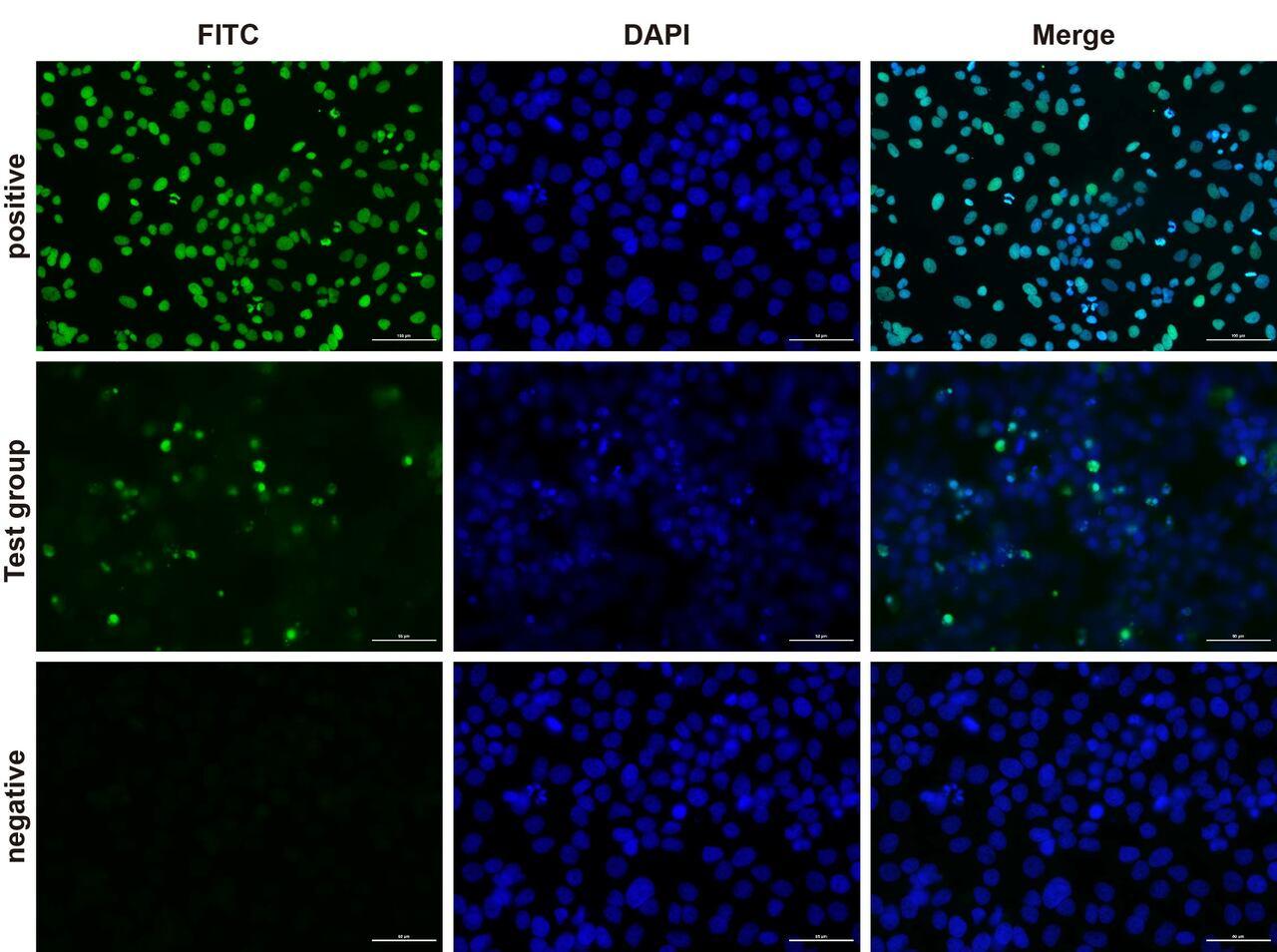
Our 1-Step TUNEL kits label DNA strand breaks with a single buffer-and-enzyme mix and a non-toxic, one-step dewaxing process. Five fluorophores and an HRP-DAB colorimetric option cover every microscope, flow cytometer and sample type.
Which TUNEL assay is right for you?
The best kit depends on your imaging equipment and your sample's autofluorescence. Answer one question and we'll point you to the right kit.
The 1-Step TUNEL kit range
Six ready-to-run kits sharing the same simple, non-toxic one-step protocol. Filter by detection method and jump straight to the product page.
Why choose 1-Step TUNEL?
A faster, safer route to detecting late-stage apoptosis in fixed cells and tissues.
One simple mix
A single buffer and enzyme mix — no need to prepare two separate reactions. Fewer steps, fewer errors.
Quick & one-step
One-step protocol with dewaxing built in, so paraffin sections go from slide to signal faster.
Safe & non-toxic
Uses potassium cacodylate rather than hazardous reagents — safer handling at the bench.
Choice & value
Five fluorophores plus HRP-DAB, all cost-effective and suited to in situ, fixed cell or tissue apoptosis.
How the 1-Step TUNEL assay works
From paraffin section to publication-ready apoptosis data in three steps.
Dewax & react in one step
Add the single buffer-and-enzyme mix — the non-toxic one-step process handles dewaxing and labelling together.
Label the DNA breaks
Terminal transferase tags the 3′-OH ends of fragmented DNA with your chosen fluorophore or HRP-DAB reporter.
Image your result
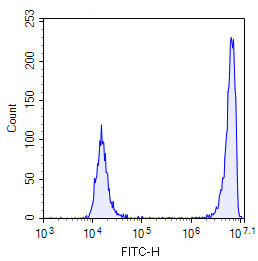
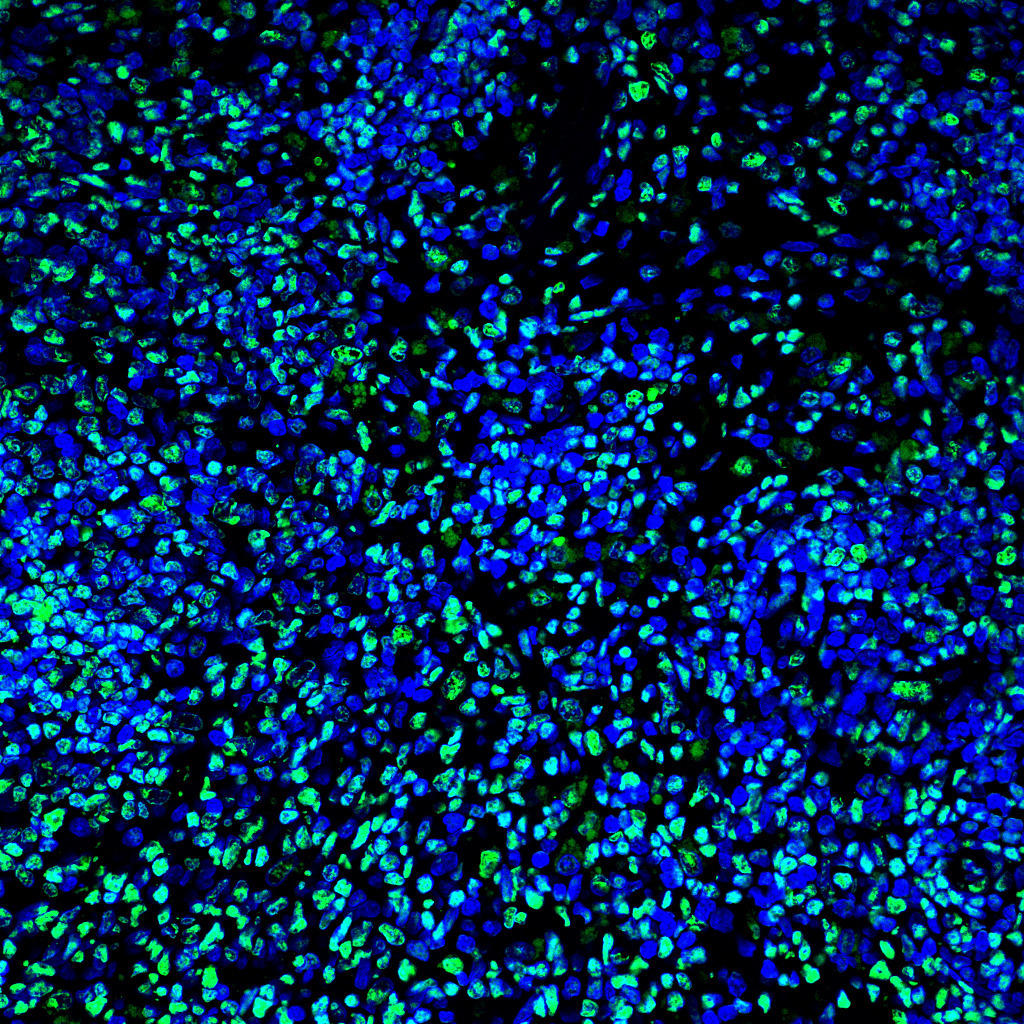
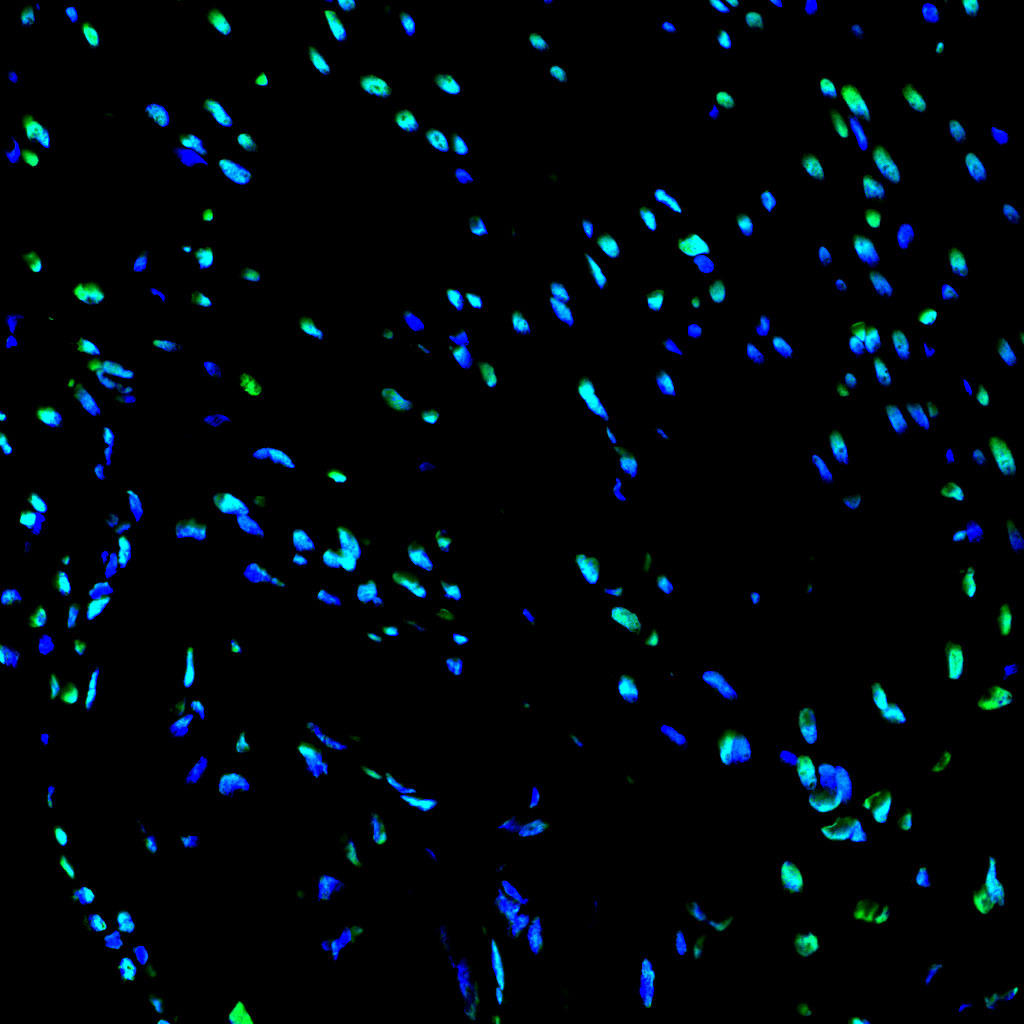
Visualise apoptotic nuclei by fluorescence or confocal microscopy, flow cytometry, or light microscopy.
What is a TUNEL assay?
TUNEL (Terminal deoxynucleotidyl transferase dUTP Nick End Labeling) detects the DNA fragmentation that is a hallmark of late-stage apoptosis. A fluorescent dye or chromogen binds to the DNA breaks released from apoptotic cells, making them visible under the microscope.
- Identify and quantify apoptotic cells in situ, in fixed cells or in tissue sections
- Study genes and pathways that drive programmed cell death
- Determine whether tumours are apoptotic or necrotic in cancer research
- Compatible with fluorescence microscopy, confocal, flow cytometry and light microscopy
Fluorophore selection guide
Match the kit to your fluorescence microscope's excitation and emission settings — and to any autofluorescence in your samples.
| Fluorophore | Excitation (nm) | Emission (nm) | Visible colour |
|---|---|---|---|
| FITC | 490 | 520 | Green |
| FL488 | 495 | 519 | Green (superior anti-quench) |
| FL555 | 555 | 565 | Red |
| FL594 | 590 | 617 | Red |
| FL647 | 650 | 665 | Far-red |
| DAPI (counterstain) | 372 | 456 | Blue |
UV light excites DAPI (blue). Blue light excites FITC and FL488 (green). Green light excites FL555 and FL594 (red). Choose an emission channel that avoids your sample's autofluorescence.
TUNEL assay FAQs
What does the TUNEL assay detect?
The TUNEL assay detects DNA fragmentation, a hallmark of late-stage apoptosis. Terminal deoxynucleotidyl transferase labels the exposed 3′-OH ends of fragmented DNA with a fluorophore or chromogen, so apoptotic nuclei can be visualised and counted.
What makes Assay Genie's TUNEL kits "1-Step"?
Our 1-Step TUNEL kits use a single buffer-and-enzyme mix and combine dewaxing and labelling into one non-toxic step. There is no need to prepare two separate reactions, which shortens the protocol and reduces variability.
Are the TUNEL kits toxic?
The kits use potassium cacodylate (dimethylarsinic acid) in place of more hazardous reagents, making them safer to handle at the bench compared with many traditional TUNEL protocols. Follow standard laboratory safety practice.
Which fluorophore should I choose?
If your sample has no autofluorescence or only red autofluorescence, choose FITC or FL488 (green). If it shows green autofluorescence, choose FL555 or FL594 (red). If it shows both red and green autofluorescence, choose FL647 (far-red), ideally imaged on a confocal microscope. For light microscopy without fluorescence equipment, choose the HRP-DAB colorimetric kit.
What is the difference between FITC and FL488?
Both emit green fluorescence at similar wavelengths, but FL488 has superior anti-quenching (anti-fade) performance. If you need to view the green signal for a longer period, FL488 is the better choice.
Can TUNEL be used with flow cytometry?
Yes. Fluorescent TUNEL kits are suitable for flow cytometry as well as fluorescence and confocal microscopy, while the HRP-DAB kit is intended for light microscopy of tissue sections.
Which samples are compatible?
The kits work with cells and tissues fixed in situ, including paraffin-embedded sections, thanks to the built-in one-step dewaxing process.
Still not sure which TUNEL kit to order?
Our PhD-level technical team will help you match the right fluorophore and protocol to your samples and equipment.