
-
Cgas sting pathway deep · HT(Page)
Agonist Antibodies: Why CD40, OX40 & 4-1BB Need FcγR Crosslinking(Page)
Your Agonist Antibody Is Not an Agonist(Post)
An agonist antibody does not activate its receptor. It gets held still by something else, and the receptors underneath cluster because they are crowded. That sentence sounds like a technicality and i
STING Activators As Cancer Therapeutics(Post)The STING (Stimulator of Interferon Genes) pathway plays a pivotal role in the innate immune system's response to cancerous cells and DNA viruses. Exploiting this pathway through STING activators
OX40 Agonists: Revitalizing the Immune Response in Cancer(Post)Cancer immunotherapy has revolutionized treatment options, offering strategies to harness the immune system to target and destroy tumors. One emerging area of interest is the use of OX40
T-Cell Co-Stimulation & Agonist Checkpoint Pathway(Page) T-Cell Co-Stimulation and Agonist Checkpoint Signalling Explained(Post)Signal 1 tells a T cell what it is looking at; signal 2 tells it whether to care. The same peptide–MHC engagement that launches a productive effector response can just as easily install an anergy pro
cGAS-STING Signalling: Pathway, Regulation and Key Assays(Post)Double-stranded DNA in the cytosol is always a mistake. A virus has uncoated, a mitochondrion has ruptured, a micronucleus has burst, or a chromosome has been broken and left unrepaired. cGAS treats
cGAS-STING cytosolic DNA sensing(Page) Volagidemab: A Breakthrough in GLP-1 Receptor Agonists for Metabolic Disorders(Post)Quick Facts About VolagidemabWhat is Volagidemab?Volagidemab is a glucagon-like peptide-1 (GLP-1) receptor antagonist designed to regulate glucose metabolism and energy homeostasis.How D
Interferons(Post)Interferons (IFNs) are a group of signalling proteins that are produced and released from cells in response to viral infection and other stimuli such as normal and tumour cell survival and
Interactive Pathway Diagrams(Page) 4-1BB: Energizing Immune Cells to Overcome Tumor Resistance(Post)Immunotherapy has become a central pillar in the fight against cancer, with a focus on enhancing the body’s natural defenses. Among the molecules at the forefront of immunotherapeutic res
Harnessing CD40 for Potent Anti-Tumor Immune Responses(Post)CD40, a member of the tumor necrosis factor receptor (TNFR) superfamily, plays a pivotal role in regulating immune responses, particularly in activating antigen-presenting cells (APCs) an
The IL-36 Subfamily | Expression, Function & Regulation(Post)By Charlotte O'Donnell PhD The genes of the IL-36 family members are located in a cluster on chromosome 2 [1]. All three activating ligands, IL-36α, IL-36β a
Myeloid reprogramming in the tumour microenvironment(Page) TAM and MDSC Signalling: Myeloid Reprogramming Pathway Guide(Post)In most solid tumours the largest immune population is not a T cell. It is a myeloid cell that has been recruited, expanded and re-educated by the tumour itself. Tumour-associated macrophages and mye
GITR: Boosting T Cell Activation for Enhanced Cancer Immunotherapy(Post)Glucocorticoid-induced tumor necrosis factor receptor (GITR) is an immune checkpoint molecule that plays a crucial role in regulating T cell activation and survival. In recent years, GITR
One Ligand, Two Receptors, Opposite Jobs: TNFR1 vs TNFR2(Post)Blocking TNF cures rheumatoid arthritis in some patients and triggers demyelination in others. That is not a dosing problem, and it is not a patient-selection problem. It is the direct consequence of
TNF Receptor Superfamily: TNFR1 vs TNFR2(Page)Featured
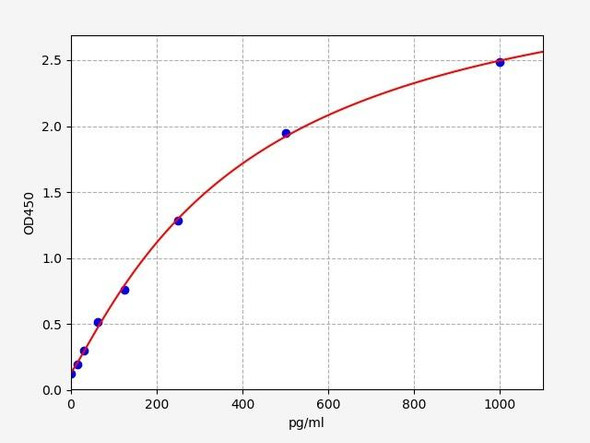

Human CAT (Catalase) ELISA Kit (HUFI07676)
- Product Code:
- HUFI07676
- Detection Method:
- Sandwich ELISA, Double Antibody
- Sensitivity:
- 9.375 pg/mL
- Range:
- 15.625-1000 pg/mL


Human MICA ELISA Kit (HUFI00015)
- Product Code:
- HUFI00015
- Detection Method:
- Sandwich ELISA, Double Antibody
- Sensitivity:
- 46.875 pg/mL
- Range:
- 78.125-5000 pg/mL

Fatty Acid Oxidation (FAO) Assay Kit (BR00001)
- Product Code:
- BR00001
- Instrument:
- Microplate Reader

Anti-Mouse IFNAR-1 In Vivo Antibody - Low Endotoxin (IVMB0202)
- Product Code:
- IVMB0202
- Antibody Type:
- Functional-Grade In Vivo Antibody
- Clone:
- MAR1-5A3
- Protein:
- IFNAR1
- Isotype:
- Mouse IgG1

Anti-Mouse CD25 In Vivo Antibody - Low Endotoxin (IVMB0148)
- Product Code:
- IVMB0148
- Antibody Type:
- Functional-Grade In Vivo Antibody
- Clone:
- PC61
- Protein:
- CD25
- Isotype:
- Rat IgG1 lambda

Anti-Mouse NK1.1 In Vivo Antibody - Low Endotoxin (IVMB0100)
- Product Code:
- IVMB0100
- Antibody Type:
- Functional-Grade In Vivo Antibody
- Clone:
- PK136
- Protein:
- NK1.1
- Isotype:
- Mouse IgG2a kappa
![Anti-Mouse PD-1 (CD279) [RMP1-14] In Vivo Antibody - Low Endotoxin](https://cdn11.bigcommerce.com/s-h68l9z2lnx/images/stencil/590x590/products/214372/569320/anti-mouse-pd-1-cd279-rmp1-14-in-vivo-antibody-low-endotoxin__18202.1743527968.jpg?c=2 "Anti-Mouse PD-1 (CD279) [RMP1-14] In Vivo Antibody - Low Endotoxin")
Anti-Mouse PD-1 Antibody [RMP1-14] In Vivo-Low Endotoxin (IVMB0037)
- Product Code:
- IVMB0037
- Antibody Type:
- Functional-Grade In Vivo Antibody
- Clone:
- RMP1-14
- Protein:
- PD-1
- Isotype:
- Rat IgG2a kappa


LSAMP Rabbit Polyclonal Antibody (CAB14248)
- Product Code:
- CAB14248
- Antibody Type:
- Polyclonal Antibody
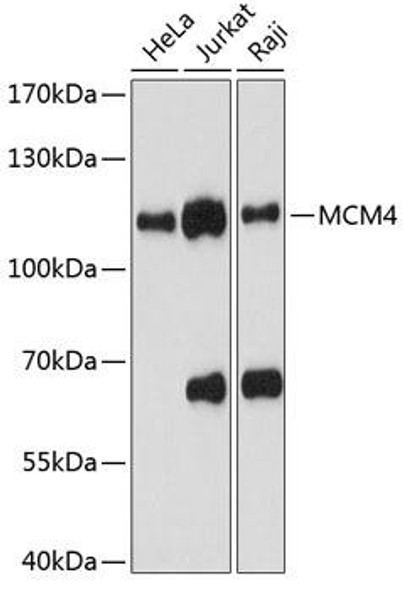
MCM4 Rabbit Polyclonal Antibody (CAB13513)
- Product Code:
- CAB13513
- Antibody Type:
- Polyclonal Antibody

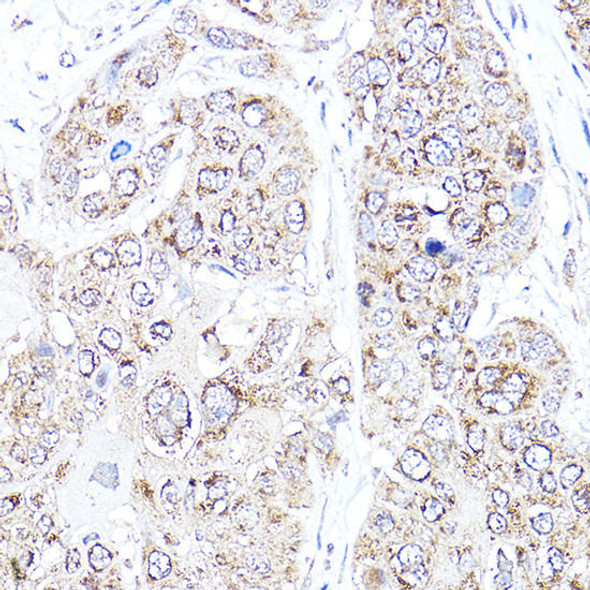
VEGF Rabbit Polyclonal Antibody (CAB12303)
- Product Code:
- CAB12303
- Antibody Type:
- Polyclonal Antibody

MDA ELISA Kit (UNFI0048)
- Product Code:
- UNFI0048
- Detection Method:
- Competitive ELISA, Coated with Antigen
- Sensitivity:
- 4.688 ng/mL
- Range:
- 7.813-500 ng/mL


Dopamine ELISA Kit (UNFI0013)
- Product Code:
- UNFI0013
- Detection Method:
- Competitive ELISA, Coated with Antigen
- Sensitivity:
- 0.938 ng/mL
- Range:
- 1.563-100 ng/mL

Serotonin ELISA Kit (UNFI0018)
- Product Code:
- UNFI0018
- Detection Method:
- Competitive ELISA, Coated with Antigen
- Sensitivity:
- 0.938 ng/mL
- Range:
- 1.563-100 ng/mL

PGE2 ELISA Kit (UNFI0032)
- Product Code:
- UNFI0032
- Detection Method:
- Competitive ELISA, Coated with Antigen
- Sensitivity:
- 18.75 pg/mL
- Range:
- 31.25-2000 pg/mL
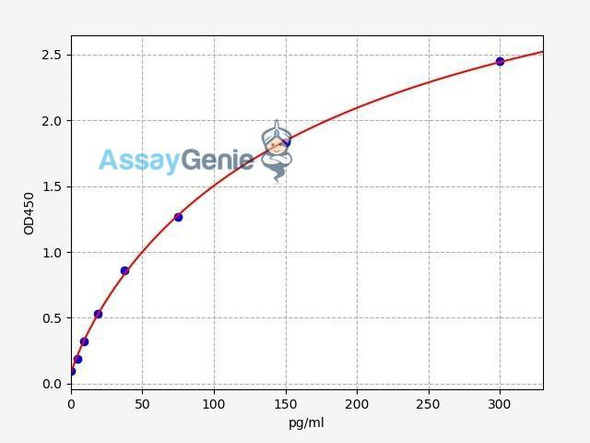
Human IL-6 ELISA Kit (HUFI00180)
- Product Code:
- HUFI00180
- Sensitivity:
- 2.813pg/ml
- Range:
- 4.688-300pg/ml
- ELISA Type:
- Sandwich
