
-
Avizakimab: Unveiling the Role of Anti-CD47 in Cancer Research(Post)
Quick Facts About AvizakimabWhat is Avizakimab?Avizakimab is a monoclonal antibody designed to target the CD47 protein, a key checkpoint in immune regulation, particularly in cancer ther
Indusatumab: Advancing Anti-CD47 Cancer Research with Biosimilar Innovations(Post)Quick Facts About IndusatumabWhat is Indusatumab?Indusatumab is an experimental antibody therapy targeting CD47, a protein that enables cancer cells to evade immune destruction.How does
Volagidemab: A Breakthrough in GLP-1 Receptor Agonists for Metabolic Disorders(Post)Quick Facts About VolagidemabWhat is Volagidemab?Volagidemab is a glucagon-like peptide-1 (GLP-1) receptor antagonist designed to regulate glucose metabolism and energy homeostasis.How D
Physiological and Pathological functions of IL-36(Post)By Charlotte O'Donnell PhD Similar to IL-33, IL-36R ligands are involved in maintaining intestinal homeostasis. Analogous to IL-33, d is locali
B Cells: Function, Types, Activation & Role in Immunity(Post)B Cell Types, Antigen Recognition & Activation A comprehensive guide to B cells! Introduction B cells, a vital component of the immune system, play
CD122: Fine-Tuning T Cell Responses in Immunotherapy(Post)Introduction to CD122 in Immunotherapy CD122, also known as the interleukin-2 receptor beta chain (IL-2Rβ), is a critical component of the immune system's response to pathogens and malign
Non-Alcoholic Fatty Liver Disease (NAFLD) - Biomarkers(Post)Key Points Non-alcoholic fatty liver disease (NAFLD) refe
p53 Protein: Mutations, Cancer Signalling & Tumour Suppression(Post)Cancer Biology · Cell Signallingp53: Structure, Signalling, Regulation and Mutation in Cancerp53 is the most frequently mutated gene in human cancer, and the reason is structural: a single tetrameric
Autophagy alterations in Alzheimer’s disease(Post)By Diana-Madalina Stan, PhD student, University of Salford Disease Description Alzheimer’s disease (AD), the most common cause of dementia, is a neu
Cell Death Pathways: Intrinsic vs Extrinsic Apoptosis Guide(Post)At Assay Genie we have created a comprehensive guide outlining everything you need to know about apoptosis! Key Takeaways: Apoptosis is a programmed cell death process, vital for tissue
Psychiatric disorders and lipocalin(Post)Ana Catarina Ferreira Psychiatric disorders, including anxiety and depression, are highly prevalent conditions and its incidence is expected to increase as i
High-Fidelity DNA Polymerase(Page) EGFR Pathway and YAP in Non-Small Cell Lung Cancer(Post)Understanding the EGFR Pathway and YAP in Non-Small Cell Lung CancerThe epidermal growth factor receptor (EGFR) pathway plays a pivotal role in the development and progression of non-small cell lung c
A Comprehensive Overview of Cell Death(Post)Cell death is an essential aspect of cellular biology that plays a crucial role in development, homeostasis, and disease. In this blog, we try to focus on mechanisms and various type
Understanding PIIINP Levels in Canine Liver Fibrosis(Post)Understanding PIIINP Levels in Canine Liver FibrosisLiver fibrosis is a significant health concern in dogs, often leading to severe complications if not diagnosed and managed appropriately. This artic
Liposomal nanosilver encapsulation for cytotoxic assays(Post)Nanosilver is the most commercialised nanoparticle routinely used for its antibacterial purposes in food preservation, cosmetic and health products such as medical devices and wound treatmen
Esophageal Cancer: Causes, Symptoms, Diagnosis, Treatment, and Prevention(Post)Esophageal cancer is a type of cancer that affects the esophagus, which is the tube that carries food and liquids from your mouth to your stomach. Esophageal cancer can cause many di
Ruplizumab: Unveiling the Role of Anti-CD47 in Cancer Research(Post)Quick Facts About RuplizumabWhat is Ruplizumab?Ruplizumab is an investigational monoclonal antibody designed to target CD47, a protein that helps cancer cells evade immune detection.What
Non-Small Cell Lung Carcinoma: Understanding, Diagnosing, and Treating NSCLC(Post)Non-Small Cell Lung Carcinoma (NSCLC) is the most common type of lung cancer, representing about 85% of all lung cancer cases. NSCLC includes several subtypes, with distinct biological ch
Histamine Receptors: Gatekeepers of Immunological and Neurological Responses(Post)Immunology · NeuroscienceHistamine Receptors: H1, H2, H3 & H4 ExplainedHistamine receptors are the G protein-coupled receptors through which histamine controls allergy, gastric acid secretion, neurotr
Featured
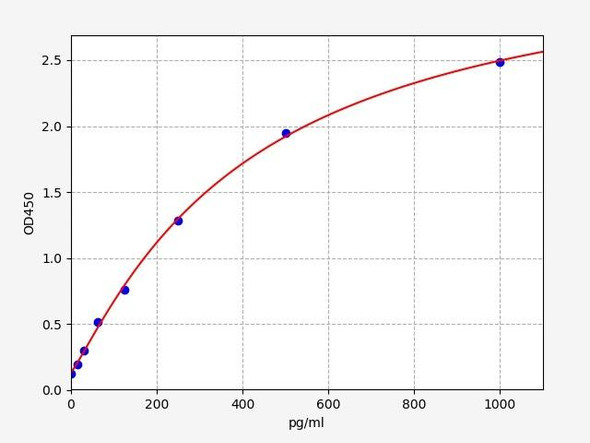

Human CAT (Catalase) ELISA Kit (HUFI07676)
- Product Code:
- HUFI07676
- Detection Method:
- Sandwich ELISA, Double Antibody
- Sensitivity:
- 9.375 pg/mL
- Range:
- 15.625-1000 pg/mL


Human MICA ELISA Kit (HUFI00015)
- Product Code:
- HUFI00015
- Detection Method:
- Sandwich ELISA, Double Antibody
- Sensitivity:
- 46.875 pg/mL
- Range:
- 78.125-5000 pg/mL

Fatty Acid Oxidation (FAO) Assay Kit (BR00001)
- Product Code:
- BR00001
- Instrument:
- Microplate Reader

Anti-Mouse IFNAR-1 In Vivo Antibody - Low Endotoxin (IVMB0202)
- Product Code:
- IVMB0202
- Antibody Type:
- Functional-Grade In Vivo Antibody
- Clone:
- MAR1-5A3
- Protein:
- IFNAR1
- Isotype:
- Mouse IgG1

Anti-Mouse CD25 In Vivo Antibody - Low Endotoxin (IVMB0148)
- Product Code:
- IVMB0148
- Antibody Type:
- Functional-Grade In Vivo Antibody
- Clone:
- PC61
- Protein:
- CD25
- Isotype:
- Rat IgG1 lambda

Anti-Mouse NK1.1 In Vivo Antibody - Low Endotoxin (IVMB0100)
- Product Code:
- IVMB0100
- Antibody Type:
- Functional-Grade In Vivo Antibody
- Clone:
- PK136
- Protein:
- NK1.1
- Isotype:
- Mouse IgG2a kappa

Anti-Mouse PD-1 Antibody [RMP1-14] In Vivo-Low Endotoxin (IVMB0037)
- Product Code:
- IVMB0037
- Antibody Type:
- Functional-Grade In Vivo Antibody
- Clone:
- RMP1-14
- Protein:
- PD-1
- Isotype:
- Rat IgG2a kappa


LSAMP Rabbit Polyclonal Antibody (CAB14248)
- Product Code:
- CAB14248
- Antibody Type:
- Polyclonal Antibody
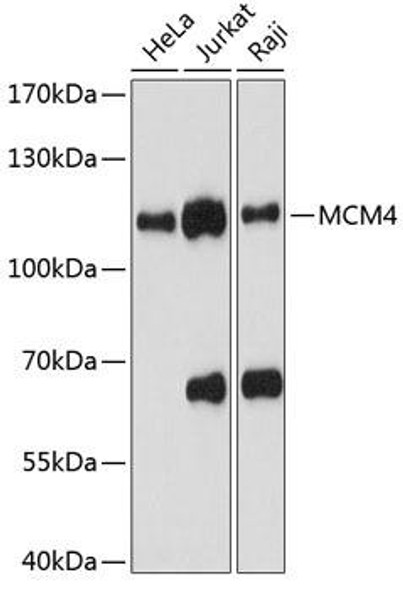
MCM4 Rabbit Polyclonal Antibody (CAB13513)
- Product Code:
- CAB13513
- Antibody Type:
- Polyclonal Antibody

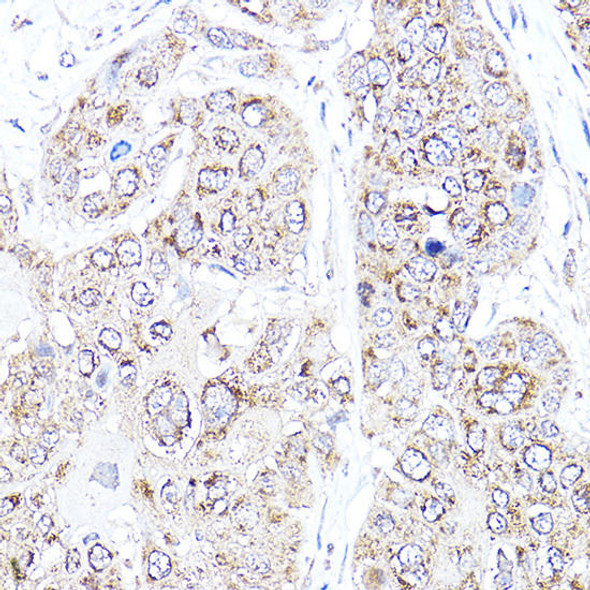
VEGF Rabbit Polyclonal Antibody (CAB12303)
- Product Code:
- CAB12303
- Antibody Type:
- Polyclonal Antibody

MDA ELISA Kit (UNFI0048)
- Product Code:
- UNFI0048
- Detection Method:
- Competitive ELISA, Coated with Antigen
- Sensitivity:
- 4.688 ng/mL
- Range:
- 7.813-500 ng/mL


Dopamine ELISA Kit (UNFI0013)
- Product Code:
- UNFI0013
- Detection Method:
- Competitive ELISA, Coated with Antigen
- Sensitivity:
- 0.938 ng/mL
- Range:
- 1.563-100 ng/mL

Serotonin ELISA Kit (UNFI0018)
- Product Code:
- UNFI0018
- Detection Method:
- Competitive ELISA, Coated with Antigen
- Sensitivity:
- 0.938 ng/mL
- Range:
- 1.563-100 ng/mL

PGE2 ELISA Kit (UNFI0032)
- Product Code:
- UNFI0032
- Detection Method:
- Competitive ELISA, Coated with Antigen
- Sensitivity:
- 18.75 pg/mL
- Range:
- 31.25-2000 pg/mL
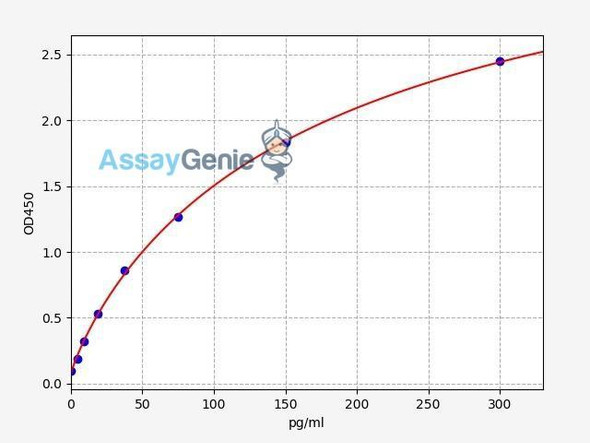
Human IL-6 ELISA Kit (HUFI00180)
- Product Code:
- HUFI00180
- Sensitivity:
- 2.813pg/ml
- Range:
- 4.688-300pg/ml
- ELISA Type:
- Sandwich
