
-
CD25 and Tregs: Understanding the Role of Regulatory T Cells in Tumor Immunity(Post)
Regulatory T cells (Tregs) play a crucial role in maintaining immune balance by suppressing excessive immune responses that could lead to tissue damage. However, in the context of cancer,
The Rise of Cancer Neuroscience: How Neural Circuits Drive Tumor Progression(Post)For decades, we viewed cancer as a rogue army of cells, a biological glitch driven solely by genetic mutations and metabolic greed. We imagined tumors as isolated fortresses, growing in a vacuum of t
TGF-β/SMAD signalling(Page) Calibration multipoints Elisa : la méthode qui évite les faux résultats(Post)Calibration multipoints Elisa : la méthode qui évite les faux résultats Pour une calibration multipoints Elisa fiable, utilisez au moins six niveaux non nuls répartis sur toute la plage attendue, aju
Osteoimmunology: The RANKL-OPG Axis & Bone Erosion(Page) Can infection cause chronic disease?(Post)By Anusha Senevirante, Post-Doctoral researcher, Imperial College London With non-communicable diseases (or NCDs, which include heart disease, diabetes, ca
TREM2: Exploring Its Role in Tumor-Associated Macrophages and Cancer Immunotherapy(Post)Introduction to TREM2 and Tumor-Associated Macrophages in CancerTREM2 (triggering receptor expressed on myeloid cells 2) is an immunoregulatory receptor primarily expressed on macrophages
Tocilizumab (Actemra®) in COVID-19 Treatment(Post)Tocilizumab (Actemra®) in COVID-19 Treatment What is Tocilizumab? Tocilizumab, also called atlizumab, is an immunosuppress
Leukemia Inhibitory Factor (LIF)(Post)Leukemia Inhibitory Factor (LIF) is a cytokine that plays a crucial role in various physiological processes within the human body. It has gained significant attention in the field of
Sodium and Potassium Indicators and Ionophores: A Comprehensive Insight(Post)Understanding the dynamics of sodium and potassium ions within biological systems is crucial for deciphering cellular processes and developing therapeutic strategies. Sodium and potassium indicato
Services(Page)Custom Research Services | Assay Genie
Regulatory T Cells and the IL-2 Paradox(Page) Neurofilament Light chain (NEFL) as a biomarker for neuronal damage(Post)Delve into the pivotal role of Neurofilament Light chain (NEFL) in neuron structure and its emerging importance as a biomarker for various neurodegenerative diseases, offering insights into dis
Tumor-Associated Macrophages: Double Agents in the Cancer Battlefield(Post)Tumor-Associated Macrophages: Double Agents in the Cancer Battlefield In the intricate theater of the human body, the immune system acts as a vigilant guardian, dispatching cellular soldiers to seek
Guide to Bacterial Transformation: The Science of Genetic Manipulation(Post)Techniques · Molecular CloningGuide to Bacterial Transformation: The Science of Genetic ManipulationBacterial transformation is the process by which bacteria take up foreign DNA — usually a plasmid —
CD11b: Macrophages and Microglia Marker(Post)The immune system plays a critical role in defending the body against pathogens and maintaining tissue homeostasis. Within the intricate network of immune cells, CD11b, also known as integ
TNF cytokines and their Receptors(Post)The human body is a complex and intricate system where various components work together to maintain health and combat potential threats. Among these essential players are the TNF cyt
Innate Lymphoid Cells Differentiation: Guardians of Immune Homeostasis(Post)Innate Lymphoid Cells (ILCs) represent a fascinating component of the immune system, playing a crucial role in maintaining tissue homeostasis and mounting rapid responses against pathogens. The
Clinical Pathology Labs List: Overview, Services, and Importance(Post)Clinical pathology labs play a crucial role in modern healthcare, providing critical diagnostic testing services for a wide array of diseases and conditions. These laboratories are design
Two Asthma Drugs, Opposite Eosinophil Counts, Both Working(Post)Two asthma biologics have opposite effects on the blood eosinophil count, and both of them work. Mepolizumab empties the eosinophil compartment; dupilumab can transiently raise it. If that seems cont
Featured
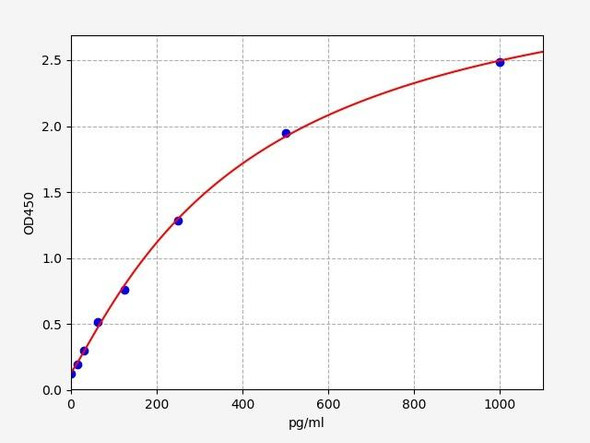

Human CAT (Catalase) ELISA Kit (HUFI07676)
- Product Code:
- HUFI07676
- Detection Method:
- Sandwich ELISA, Double Antibody
- Sensitivity:
- 9.375 pg/mL
- Range:
- 15.625-1000 pg/mL


Human MICA ELISA Kit (HUFI00015)
- Product Code:
- HUFI00015
- Detection Method:
- Sandwich ELISA, Double Antibody
- Sensitivity:
- 46.875 pg/mL
- Range:
- 78.125-5000 pg/mL

Fatty Acid Oxidation (FAO) Assay Kit (BR00001)
- Product Code:
- BR00001
- Instrument:
- Microplate Reader

Anti-Mouse IFNAR-1 In Vivo Antibody - Low Endotoxin (IVMB0202)
- Product Code:
- IVMB0202
- Antibody Type:
- Functional-Grade In Vivo Antibody
- Clone:
- MAR1-5A3
- Protein:
- IFNAR1
- Isotype:
- Mouse IgG1

Anti-Mouse CD25 In Vivo Antibody - Low Endotoxin (IVMB0148)
- Product Code:
- IVMB0148
- Antibody Type:
- Functional-Grade In Vivo Antibody
- Clone:
- PC61
- Protein:
- CD25
- Isotype:
- Rat IgG1 lambda

Anti-Mouse NK1.1 In Vivo Antibody - Low Endotoxin (IVMB0100)
- Product Code:
- IVMB0100
- Antibody Type:
- Functional-Grade In Vivo Antibody
- Clone:
- PK136
- Protein:
- NK1.1
- Isotype:
- Mouse IgG2a kappa
![Anti-Mouse PD-1 (CD279) [RMP1-14] In Vivo Antibody - Low Endotoxin](https://cdn11.bigcommerce.com/s-h68l9z2lnx/images/stencil/590x590/products/214372/569320/anti-mouse-pd-1-cd279-rmp1-14-in-vivo-antibody-low-endotoxin__18202.1743527968.jpg?c=2 "Anti-Mouse PD-1 (CD279) [RMP1-14] In Vivo Antibody - Low Endotoxin")
Anti-Mouse PD-1 Antibody [RMP1-14] In Vivo-Low Endotoxin (IVMB0037)
- Product Code:
- IVMB0037
- Antibody Type:
- Functional-Grade In Vivo Antibody
- Clone:
- RMP1-14
- Protein:
- PD-1
- Isotype:
- Rat IgG2a kappa


LSAMP Rabbit Polyclonal Antibody (CAB14248)
- Product Code:
- CAB14248
- Antibody Type:
- Polyclonal Antibody
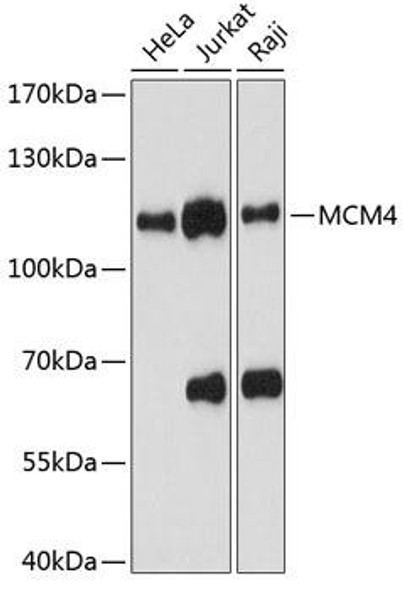
MCM4 Rabbit Polyclonal Antibody (CAB13513)
- Product Code:
- CAB13513
- Antibody Type:
- Polyclonal Antibody

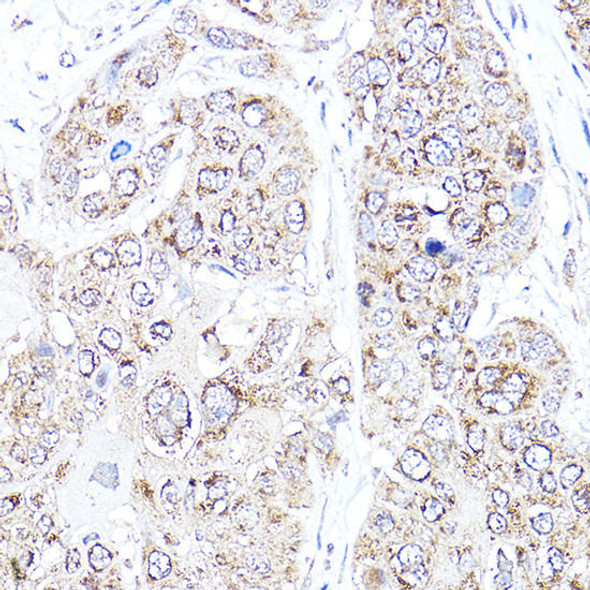
VEGF Rabbit Polyclonal Antibody (CAB12303)
- Product Code:
- CAB12303
- Antibody Type:
- Polyclonal Antibody

MDA ELISA Kit (UNFI0048)
- Product Code:
- UNFI0048
- Detection Method:
- Competitive ELISA, Coated with Antigen
- Sensitivity:
- 4.688 ng/mL
- Range:
- 7.813-500 ng/mL


Dopamine ELISA Kit (UNFI0013)
- Product Code:
- UNFI0013
- Detection Method:
- Competitive ELISA, Coated with Antigen
- Sensitivity:
- 0.938 ng/mL
- Range:
- 1.563-100 ng/mL

Serotonin ELISA Kit (UNFI0018)
- Product Code:
- UNFI0018
- Detection Method:
- Competitive ELISA, Coated with Antigen
- Sensitivity:
- 0.938 ng/mL
- Range:
- 1.563-100 ng/mL

PGE2 ELISA Kit (UNFI0032)
- Product Code:
- UNFI0032
- Detection Method:
- Competitive ELISA, Coated with Antigen
- Sensitivity:
- 18.75 pg/mL
- Range:
- 31.25-2000 pg/mL
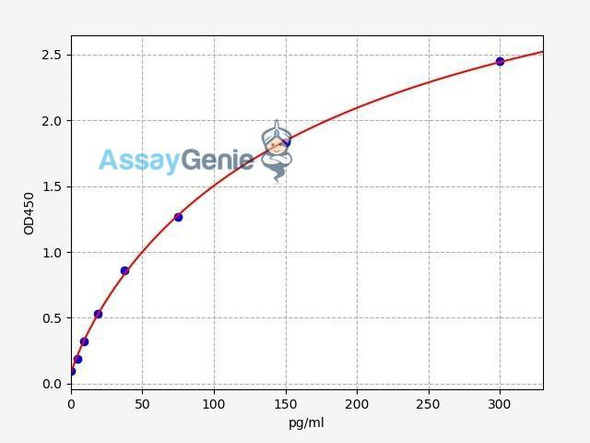
Human IL-6 ELISA Kit (HUFI00180)
- Product Code:
- HUFI00180
- Sensitivity:
- 2.813pg/ml
- Range:
- 4.688-300pg/ml
- ELISA Type:
- Sandwich
