
-
Understanding activating PIK3CA mutations in human disease(Post)
Ralitsa R. Madsen – University of Cambridge Metabolic Research Laboratories Each one of us is the result of an extraordinary developmental proces
CAR-NK Cell Therapy: The Next Frontier in Cancer Immunotherapy(Post)For decades, the fight against cancer has been a relentless battle of incremental gains. While immunotherapies like CAR-T cell therapy have offered revolutionary hope, their personalized nature, high
DNA Ligation(Page) BDNF in inflammation and neuropathologies(Post)BDNF Overview Brain-derived neurotrophic factor (BDNF) is a central mediator of neuroplasticity, a term used to describe the ability of neurons
Subcellular Fractionation Protocol - Mitochrondria, Nuclear, Cytosolic(Page) CD47: Overcoming Tumor Evasion Through Macrophage Activation(Post)One of the greatest challenges in cancer therapy is how tumors evade immune detection. Among the mechanisms cancer cells exploit, the CD47 pathway has emerged as a major player in helping
Tocilizumab: Advancing Therapeutics and Research with Biosimilars(Post)What You Need to Know About TocilizumabWhat is Tocilizumab?Tocilizumab is a monoclonal antibody that targets the interleukin-6 (IL-6) receptor, widely used for managing autoimmune and in
Melanoma: Understanding, Diagnosing, and Treating Skin Cancer(Post)Melanoma is an aggressive type of skin cancer that originates in melanocytes, the cells responsible for producing melanin, which gives skin its color. Although it is less common than othe
Suspected Plague Death at a Siberian Anti-Plague Institute: What Researchers Should Know(Post)Infectious Disease · News AnalysisSuspected Plague Death at a Siberian Anti-Plague Institute: What Researchers Should KnowA 28-year-old laboratory worker at the Irkutsk Anti-Plague Research Institute
Phosphorylation: Types, ATP Synthesis & Cell Signalling [Guide](Post)Biochemistry · Cell SignallingPhosphorylation: Types, ATP Synthesis and Cell SignallingAdding a phosphate group is how cells both store energy and switch proteins on and off. The same chemistry underl
p53 Protein: Mutations, Cancer Signalling & Tumour Suppression(Post)Cancer Biology · Cell Signallingp53: Structure, Signalling, Regulation and Mutation in Cancerp53 is the most frequently mutated gene in human cancer, and the reason is structural: a single tetrameric
IL-6 개요(Page) IL-10 signalling and regulation(Post)Explore the complexities of Interleukin-10 (IL-10) signaling and regulation, a crucial aspect in immune response modulation and its dual roles in cancer development and therapy. Key Takeaways:
Secukinumab: A Comprehensive Guide to Its Mechanism, Applications, and Biosimilar Advancements(Post)Quick Facts About SecukinumabWhat is SecukinumabSecukinumab is a monoclonal antibody that targets interleukin-17A (IL-17A), a key cytokine involved in inflammatory and autoimmune respons
Cellular Senescence in Cancer Immunotherapy: The Double-Edged Sword(Post)Cellular Senescence in Cancer Immunotherapy: The Double-Edged Sword In the intricate world of cancer biology, some of our body's most potent defense mechanisms can paradoxically turn against us. Cell
کیت سنجش فعالیت آنزیم تبدیل آنژیوتانسین II (ACE2)(Post)کیت سنجش فعالیت آنزیم تبدیل آنژیوتانسین II (ACE2) (فلورومتریک) آنزیم مبدل آنژیوتانسین II ، (ACE2, EC 3.4.17.23) یک متالوپروتاز
Anti-CTLA-4: Unleashing the Power of T Cells in Combination Immunotherapy(Post)Immunotherapy has revolutionized cancer treatment by harnessing the body's immune system to fight malignancies. Among the notable advancements in this field is the development of immune c
Unlocking the Fortress: CAR-T Cell Therapy's Next Frontier in Solid Tumors(Post)For years, the success of CAR-T cell therapy has been a beacon of hope in the fight against blood cancers, offering remarkable remissions where other treatments have failed. Yet, solid tumors—the form
The Role of ACE2 in SARS-CoV-2(Post)Structure, Function, and Detection Assays for COVID-2019 Background The global spread of the novel cor
CD4 T-Helper Differentiation: Th1, Th2, Th17, Treg and Tfh(Post)The antigen tells a CD4 T cell to respond; the cytokine tells it what kind of response to make. A naive CD4⁺ T cell leaving the thymus is uncommitted. Within about seventy-two hours of engaging TCR/C
Featured
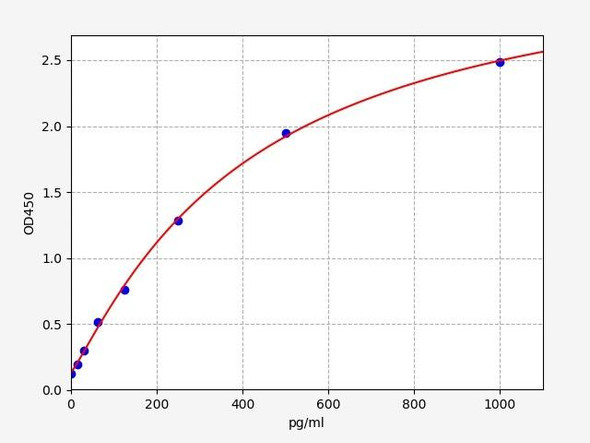

Human CAT (Catalase) ELISA Kit (HUFI07676)
- Product Code:
- HUFI07676
- Detection Method:
- Sandwich ELISA, Double Antibody
- Sensitivity:
- 9.375 pg/mL
- Range:
- 15.625-1000 pg/mL


Human MICA ELISA Kit (HUFI00015)
- Product Code:
- HUFI00015
- Detection Method:
- Sandwich ELISA, Double Antibody
- Sensitivity:
- 46.875 pg/mL
- Range:
- 78.125-5000 pg/mL

Fatty Acid Oxidation (FAO) Assay Kit (BR00001)
- Product Code:
- BR00001
- Instrument:
- Microplate Reader

Anti-Mouse IFNAR-1 In Vivo Antibody - Low Endotoxin (IVMB0202)
- Product Code:
- IVMB0202
- Antibody Type:
- Functional-Grade In Vivo Antibody
- Clone:
- MAR1-5A3
- Protein:
- IFNAR1
- Isotype:
- Mouse IgG1

Anti-Mouse CD25 In Vivo Antibody - Low Endotoxin (IVMB0148)
- Product Code:
- IVMB0148
- Antibody Type:
- Functional-Grade In Vivo Antibody
- Clone:
- PC61
- Protein:
- CD25
- Isotype:
- Rat IgG1 lambda

Anti-Mouse NK1.1 In Vivo Antibody - Low Endotoxin (IVMB0100)
- Product Code:
- IVMB0100
- Antibody Type:
- Functional-Grade In Vivo Antibody
- Clone:
- PK136
- Protein:
- NK1.1
- Isotype:
- Mouse IgG2a kappa

Anti-Mouse PD-1 Antibody [RMP1-14] In Vivo-Low Endotoxin (IVMB0037)
- Product Code:
- IVMB0037
- Antibody Type:
- Functional-Grade In Vivo Antibody
- Clone:
- RMP1-14
- Protein:
- PD-1
- Isotype:
- Rat IgG2a kappa


LSAMP Rabbit Polyclonal Antibody (CAB14248)
- Product Code:
- CAB14248
- Antibody Type:
- Polyclonal Antibody
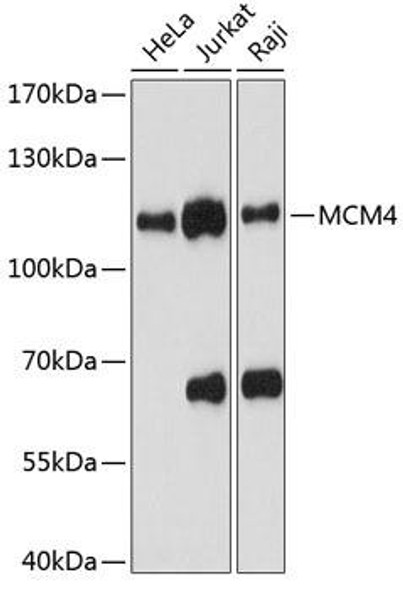
MCM4 Rabbit Polyclonal Antibody (CAB13513)
- Product Code:
- CAB13513
- Antibody Type:
- Polyclonal Antibody

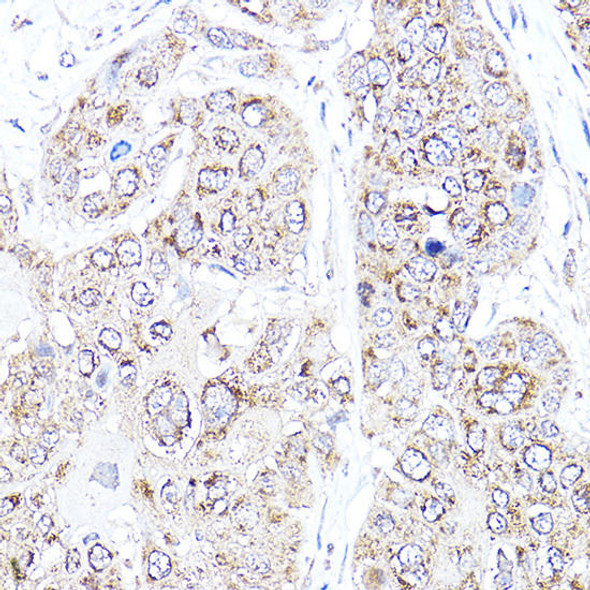
VEGF Rabbit Polyclonal Antibody (CAB12303)
- Product Code:
- CAB12303
- Antibody Type:
- Polyclonal Antibody

MDA ELISA Kit (UNFI0048)
- Product Code:
- UNFI0048
- Detection Method:
- Competitive ELISA, Coated with Antigen
- Sensitivity:
- 4.688 ng/mL
- Range:
- 7.813-500 ng/mL


Dopamine ELISA Kit (UNFI0013)
- Product Code:
- UNFI0013
- Detection Method:
- Competitive ELISA, Coated with Antigen
- Sensitivity:
- 0.938 ng/mL
- Range:
- 1.563-100 ng/mL

Serotonin ELISA Kit (UNFI0018)
- Product Code:
- UNFI0018
- Detection Method:
- Competitive ELISA, Coated with Antigen
- Sensitivity:
- 0.938 ng/mL
- Range:
- 1.563-100 ng/mL

PGE2 ELISA Kit (UNFI0032)
- Product Code:
- UNFI0032
- Detection Method:
- Competitive ELISA, Coated with Antigen
- Sensitivity:
- 18.75 pg/mL
- Range:
- 31.25-2000 pg/mL
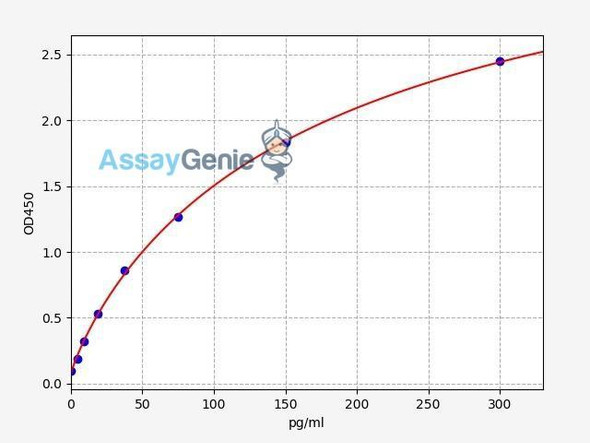
Human IL-6 ELISA Kit (HUFI00180)
- Product Code:
- HUFI00180
- Sensitivity:
- 2.813pg/ml
- Range:
- 4.688-300pg/ml
- ELISA Type:
- Sandwich
