
-
Validation of MycoGenie Rapid Mycoplasma Detection Kit - A highly sensitive visual determination method for Mycoplasma detection.(Post)
The MycoGenie Rapid Mycoplasma Detection Kit enables the detection of 28 Mycoplasma species in under 1 hour using a simple visual determination method, eliminating the need for expensive
CD25 Marker(Post)CD25, a key molecule in immune regulation, is integral to the function of activated lymphocytes and regulatory T cells. It's central in mediating immune responses, with implications in autoimmune
The Leukocyte Adhesion Cascade: Integrin Signalling and Assays(Post)Every leukocyte that reaches an inflamed tissue has solved the same mechanical problem. It must stop, in under a second, against a shear flow that would otherwise sweep it past the site of infection.
After Tocilizumab, IL-6 Goes Up. That Is the Drug Working.(Post)Tocilizumab reverses cytokine release syndrome within hours, and it never touches the cell that started it. That sentence contains the whole mechanism. The trigger is a T cell — engaged by a CAR, a b
COVID-19 15分のRAPID POCテスト(Post)COVID-19 15分のRAPID POCテスト 詳細については、hello @ assaygenie.comにお問い合わせください。 概観 Acro Biot
HERV-K group of endogenous retroviruses and cancer(Post)In 2006, upon completion of the Human Genome Project, it was discovered that nearly 8% of the human genome is made up of viral DNA. These viral remnants are composed of ancient germl
Genieplex Multiplex Citations(Page) Western Blot Buffers & Recipes - Mandarin(Page)蛋白质印迹缓冲液与配方(中文) | Assay Genie
Fluorescence spectroscopy: An early detection tool for cancer.(Post)Millions of people are afflicted with cancer each year. 2016 statistics for the USA alone show over half a million deaths attributed to cancer 1. We have come a long way from our early underst
Innate Viral Immunity & RIG-I in COVID-19(Post)RIG-I: Antiviral Properties in COVID-19 (SARS-CoV-2) Infection Key Points RIG-I is a cytosolic RNA h
Compatibility and Performance Assessment of the GenieColor Mycoplasma Detection Kit Across Diverse Laboratory Conditions(Post)MORV0013 functioned effectively in both qPCR machines and water baths, with or without paraffin oil, maintaining consistent sensitivity and specificity. MORV0013 performed reliably betwe
What is pharmacogenomics? (Post)What is pharmacogenomics Pharmacogenomics is how DNA variation and drugs interact and how this can optimise patient health; this involves studying pharmacokinetics and pharmacodynamics.
GeniePlex Multiplex Immunoassay FAQ(Page) Microcalcifications in breast cancer: Novel insights into the molecular mechanism and functional consequences(Post)Shane O’Grady, PhD student, RCSI Cancer is a disease that will, unfortunately, touch all of our lives at some point, directly or indirectly. Despite decades
Co-Immunoprecipitation (co-IP) Protocol(Page) What is RNAi? All You Need to Know(Post)Molecular Biology · Gene SilencingWhat is RNAi? A Complete Guide to RNA InterferenceRNA interference (RNAi) is a conserved biological process in which small double-stranded RNA molecules silence gene
Cytokine neutralisation network(Page) TA Cloning(Page) Cytokine Release Syndrome and the IL-6 Axis(Page) Cytokine ELISA Kits(Page)High Sensitivity Cytokine ELISA Kits & Multiplex Panels | Assay Genie
Featured
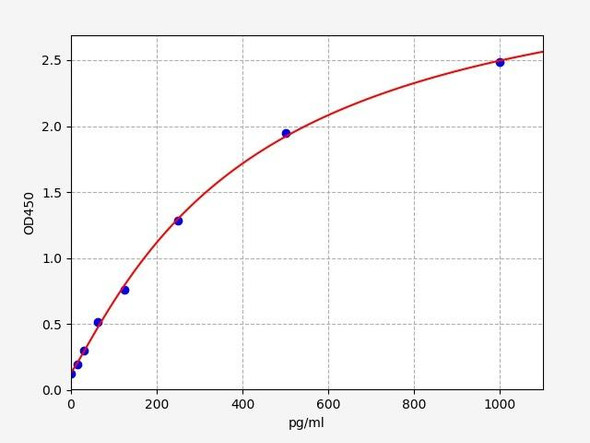

Human CAT (Catalase) ELISA Kit (HUFI07676)
- Product Code:
- HUFI07676
- Detection Method:
- Sandwich ELISA, Double Antibody
- Sensitivity:
- 9.375 pg/mL
- Range:
- 15.625-1000 pg/mL


Human MICA ELISA Kit (HUFI00015)
- Product Code:
- HUFI00015
- Detection Method:
- Sandwich ELISA, Double Antibody
- Sensitivity:
- 46.875 pg/mL
- Range:
- 78.125-5000 pg/mL

Fatty Acid Oxidation (FAO) Assay Kit (BR00001)
- Product Code:
- BR00001
- Instrument:
- Microplate Reader

Anti-Mouse IFNAR-1 In Vivo Antibody - Low Endotoxin (IVMB0202)
- Product Code:
- IVMB0202
- Antibody Type:
- Functional-Grade In Vivo Antibody
- Clone:
- MAR1-5A3
- Protein:
- IFNAR1
- Isotype:
- Mouse IgG1

Anti-Mouse CD25 In Vivo Antibody - Low Endotoxin (IVMB0148)
- Product Code:
- IVMB0148
- Antibody Type:
- Functional-Grade In Vivo Antibody
- Clone:
- PC61
- Protein:
- CD25
- Isotype:
- Rat IgG1 lambda

Anti-Mouse NK1.1 In Vivo Antibody - Low Endotoxin (IVMB0100)
- Product Code:
- IVMB0100
- Antibody Type:
- Functional-Grade In Vivo Antibody
- Clone:
- PK136
- Protein:
- NK1.1
- Isotype:
- Mouse IgG2a kappa
![Anti-Mouse PD-1 (CD279) [RMP1-14] In Vivo Antibody - Low Endotoxin](https://cdn11.bigcommerce.com/s-h68l9z2lnx/images/stencil/590x590/products/214372/569320/anti-mouse-pd-1-cd279-rmp1-14-in-vivo-antibody-low-endotoxin__18202.1743527968.jpg?c=2 "Anti-Mouse PD-1 (CD279) [RMP1-14] In Vivo Antibody - Low Endotoxin")
Anti-Mouse PD-1 Antibody [RMP1-14] In Vivo-Low Endotoxin (IVMB0037)
- Product Code:
- IVMB0037
- Antibody Type:
- Functional-Grade In Vivo Antibody
- Clone:
- RMP1-14
- Protein:
- PD-1
- Isotype:
- Rat IgG2a kappa


LSAMP Rabbit Polyclonal Antibody (CAB14248)
- Product Code:
- CAB14248
- Antibody Type:
- Polyclonal Antibody
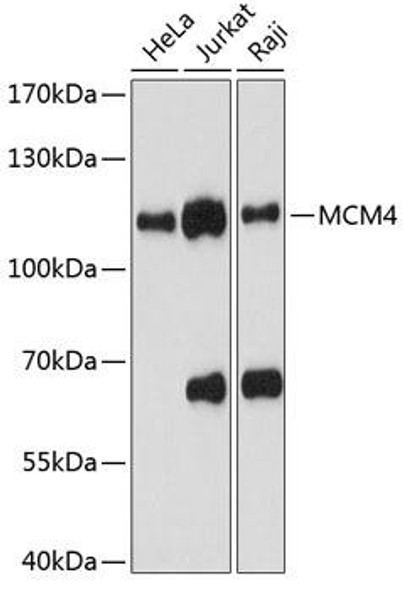
MCM4 Rabbit Polyclonal Antibody (CAB13513)
- Product Code:
- CAB13513
- Antibody Type:
- Polyclonal Antibody

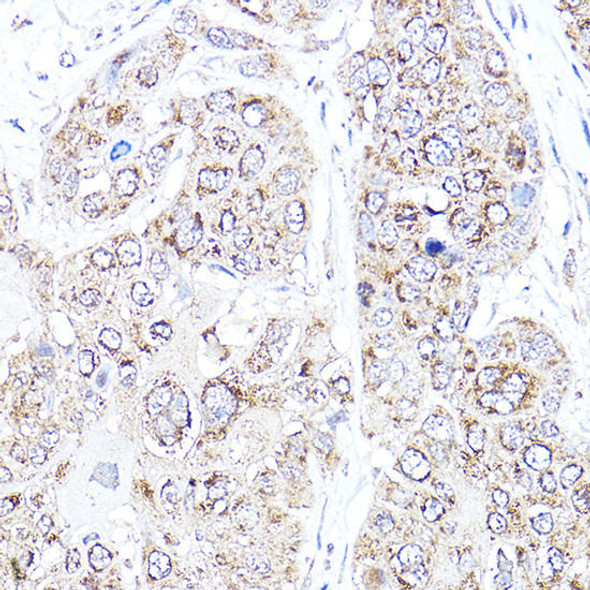
VEGF Rabbit Polyclonal Antibody (CAB12303)
- Product Code:
- CAB12303
- Antibody Type:
- Polyclonal Antibody

MDA ELISA Kit (UNFI0048)
- Product Code:
- UNFI0048
- Detection Method:
- Competitive ELISA, Coated with Antigen
- Sensitivity:
- 4.688 ng/mL
- Range:
- 7.813-500 ng/mL


Dopamine ELISA Kit (UNFI0013)
- Product Code:
- UNFI0013
- Detection Method:
- Competitive ELISA, Coated with Antigen
- Sensitivity:
- 0.938 ng/mL
- Range:
- 1.563-100 ng/mL

Serotonin ELISA Kit (UNFI0018)
- Product Code:
- UNFI0018
- Detection Method:
- Competitive ELISA, Coated with Antigen
- Sensitivity:
- 0.938 ng/mL
- Range:
- 1.563-100 ng/mL

PGE2 ELISA Kit (UNFI0032)
- Product Code:
- UNFI0032
- Detection Method:
- Competitive ELISA, Coated with Antigen
- Sensitivity:
- 18.75 pg/mL
- Range:
- 31.25-2000 pg/mL
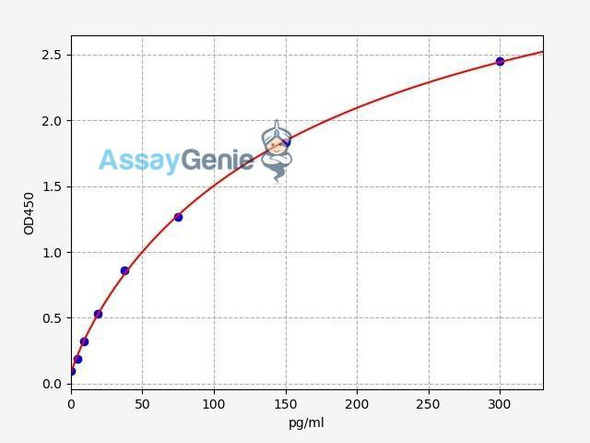
Human IL-6 ELISA Kit (HUFI00180)
- Product Code:
- HUFI00180
- Sensitivity:
- 2.813pg/ml
- Range:
- 4.688-300pg/ml
- ELISA Type:
- Sandwich
