
-
Estrogen and Breast Cancer: a Nuclear (Receptor) War(Post)
By Dr. Lisa Dwane, Postdoctoral Researcher, Royal College of Surgeons in Ireland The first link between estrogen and breast cancer was made in the late 1
An Introduction into EV Markers(Post)Extracellular Vesicles
TNF cytokines and their Receptors(Post)The human body is a complex and intricate system where various components work together to maintain health and combat potential threats. Among these essential players are the TNF cyt
Anti-PD-1: Restoring T Cell Function in Cancer Immunotherapy(Post)Cancer immunotherapy has revolutionized the treatment landscape for various malignancies. One of the most promising therapeutic strategies is the use of immune checkpoint inhibitors, part
TIM-3: Targeting T Cell Exhaustion for Better Immunotherapy Outcomes(Post)T cell immunoglobulin and mucin-domain containing-3 (TIM-3) is an immune checkpoint receptor that plays a pivotal role in T cell exhaustion, a state where T cells lose their ability to ef
Heterogeneity of Type 1 diabetes in children(Post)Ahmad Gazali PhD candidate, University of Eastern Finland Type 1 diabetes (T1D) is an autoimmune disease where the pancreatic β cells that produce insulin, a key hormone involved in t
CD33 Marker: Function, Expression & Myeloid Cell Role(Post)Introduction Discover the multifaceted role of CD33, a critical player in immune function and disease, shaping our approach to treating cancers and neurodegenerative conditions
Indatuximab: Advancing CD138-Targeted Therapy in Cancer Research(Post)What You Need to Know About IndatuximabWhat is Indatuximab?Indatuximab ravtansine is an experimental monoclonal antibody-drug conjugate (ADC) that targets CD138, a protein highly express
CAR-T Cell Signalling Pathway: Costimulation, Output and Assays(Post)A chimeric antigen receptor is a synthetic protein wired into a real signalling pathway. The extracellular half is an antibody fragment; everything below the membrane is borrowed from the T-cell rece
How do antibodies work?(Post)Antibodies are a special class of Y shaped proteins that help guard your body from invading viruses and bacteria. They do this by either neutralizing the dangerous substance
Trained Immunity: Reprogramming Innate Immune Memory for Future Health(Post)What if our first line of immune defense, the innate immune system, could learn from past encounters to fight future battles more effectively? For decades, we believed this was the exclusive domain of
Cytokinesis review(Post)By John Bannon PhD Early Cytokinesis Early cytokinesis; from anaphase to midbody formation cytokinesis is the physical s
Immunoassays(Page)Immunoassays: ELISA, Multiplex & ELISpot Kits | Assay Genie
TLR4: Unraveling the Role of Inflammation in Cancer Progression(Post)Introduction to TLR4 and Cancer Toll-like receptor 4 (TLR4) is a key component of the innate immune system, primarily responsible for detecting infections and initiating inflammatory resp
Targeted Protein Degradation: The Next Frontier in Oncology Drug Discovery(Post)For decades, cancer drug development has focused on blocking proteins—inhibiting enzymes, antagonizing receptors, disrupting signaling pathways. Yet this approach leaves a vast landscape of disease-d
What is an Antigen?(Post)Antigen's are foreign molecules recognised by the immune system. Antigens can be protein, carbohydrate, lipid or nucleic acid molecules. Examples include viruses and bacteria as well as fr
Tunel 1-Step Assay Kits(Page)TUNEL Assay Kits | 1-Step In Situ Apoptosis Detection | Assay Genie
Gemtuzumab: Advancing CD33-Targeted Therapies in AML Research(Post)Key Facts About GemtuzumabWhat is Gemtuzumab?Gemtuzumab is an antibody-drug conjugate (ADC) targeting CD33, a protein expressed on the surface of myeloid cells. It is widely recognized f
Understanding the Gut-Brain Axis(Post)Neuroscience · MicrobiomeUnderstanding the Gut-Brain AxisThe gut-brain axis is the dynamic, bidirectional communication system that links the gastrointestinal tract with the central nervous system. Th
Extracellular Vesicles in Neurodegenerative Disease: From Pathology to Therapeutic Potential(Post)In the intricate landscape of the brain, cells constantly communicate, sending and receiving messages that govern our thoughts, memories, and movements. For decades, scientists believed this communica
Featured
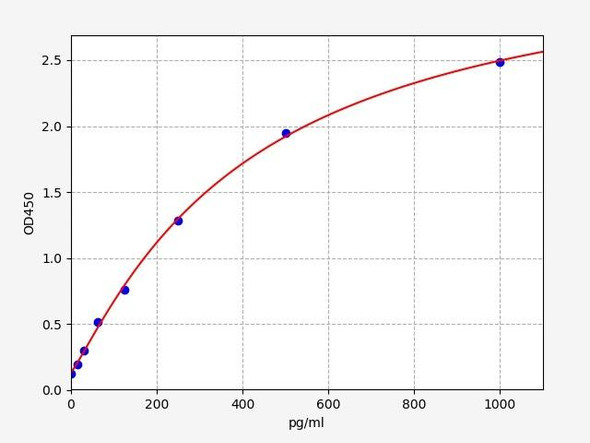

Human CAT (Catalase) ELISA Kit (HUFI07676)
- Product Code:
- HUFI07676
- Detection Method:
- Sandwich ELISA, Double Antibody
- Sensitivity:
- 9.375 pg/mL
- Range:
- 15.625-1000 pg/mL


Human MICA ELISA Kit (HUFI00015)
- Product Code:
- HUFI00015
- Detection Method:
- Sandwich ELISA, Double Antibody
- Sensitivity:
- 46.875 pg/mL
- Range:
- 78.125-5000 pg/mL

Fatty Acid Oxidation (FAO) Assay Kit (BR00001)
- Product Code:
- BR00001
- Instrument:
- Microplate Reader

Anti-Mouse IFNAR-1 In Vivo Antibody - Low Endotoxin (IVMB0202)
- Product Code:
- IVMB0202
- Antibody Type:
- Functional-Grade In Vivo Antibody
- Clone:
- MAR1-5A3
- Protein:
- IFNAR1
- Isotype:
- Mouse IgG1

Anti-Mouse CD25 In Vivo Antibody - Low Endotoxin (IVMB0148)
- Product Code:
- IVMB0148
- Antibody Type:
- Functional-Grade In Vivo Antibody
- Clone:
- PC61
- Protein:
- CD25
- Isotype:
- Rat IgG1 lambda

Anti-Mouse NK1.1 In Vivo Antibody - Low Endotoxin (IVMB0100)
- Product Code:
- IVMB0100
- Antibody Type:
- Functional-Grade In Vivo Antibody
- Clone:
- PK136
- Protein:
- NK1.1
- Isotype:
- Mouse IgG2a kappa

Anti-Mouse PD-1 Antibody [RMP1-14] In Vivo-Low Endotoxin (IVMB0037)
- Product Code:
- IVMB0037
- Antibody Type:
- Functional-Grade In Vivo Antibody
- Clone:
- RMP1-14
- Protein:
- PD-1
- Isotype:
- Rat IgG2a kappa


LSAMP Rabbit Polyclonal Antibody (CAB14248)
- Product Code:
- CAB14248
- Antibody Type:
- Polyclonal Antibody
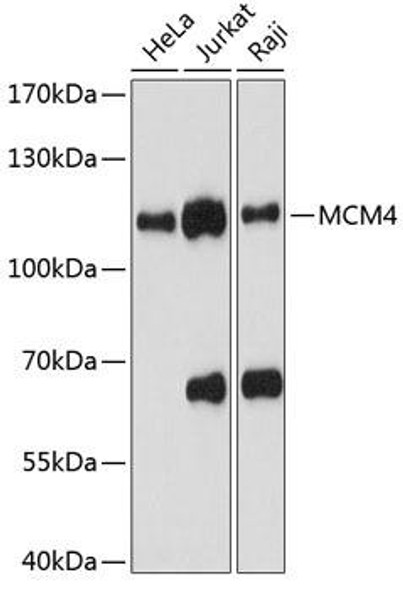
MCM4 Rabbit Polyclonal Antibody (CAB13513)
- Product Code:
- CAB13513
- Antibody Type:
- Polyclonal Antibody

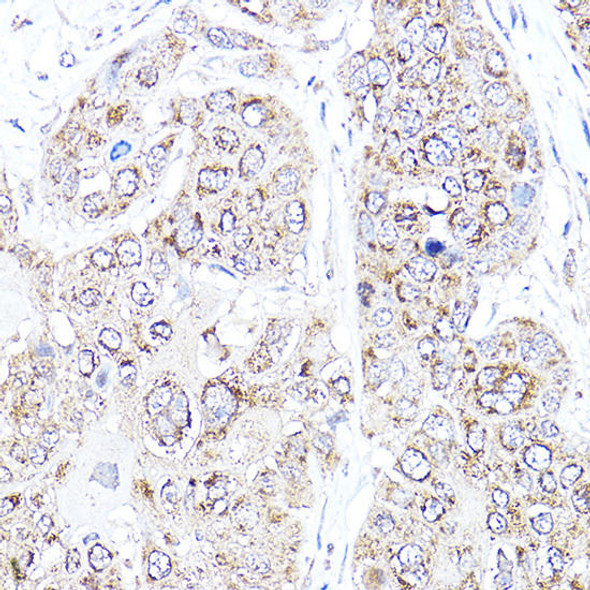
VEGF Rabbit Polyclonal Antibody (CAB12303)
- Product Code:
- CAB12303
- Antibody Type:
- Polyclonal Antibody

MDA ELISA Kit (UNFI0048)
- Product Code:
- UNFI0048
- Detection Method:
- Competitive ELISA, Coated with Antigen
- Sensitivity:
- 4.688 ng/mL
- Range:
- 7.813-500 ng/mL


Dopamine ELISA Kit (UNFI0013)
- Product Code:
- UNFI0013
- Detection Method:
- Competitive ELISA, Coated with Antigen
- Sensitivity:
- 0.938 ng/mL
- Range:
- 1.563-100 ng/mL

Serotonin ELISA Kit (UNFI0018)
- Product Code:
- UNFI0018
- Detection Method:
- Competitive ELISA, Coated with Antigen
- Sensitivity:
- 0.938 ng/mL
- Range:
- 1.563-100 ng/mL

PGE2 ELISA Kit (UNFI0032)
- Product Code:
- UNFI0032
- Detection Method:
- Competitive ELISA, Coated with Antigen
- Sensitivity:
- 18.75 pg/mL
- Range:
- 31.25-2000 pg/mL
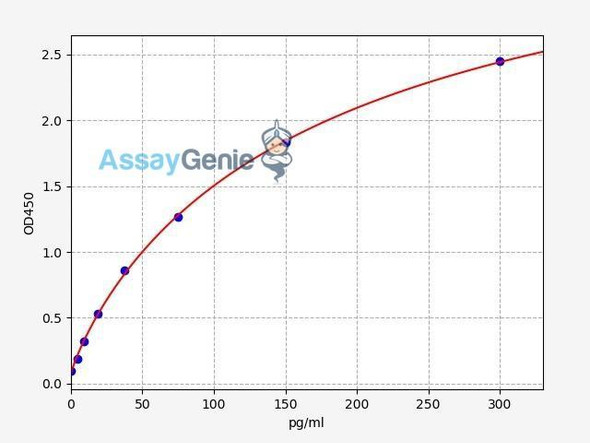
Human IL-6 ELISA Kit (HUFI00180)
- Product Code:
- HUFI00180
- Sensitivity:
- 2.813pg/ml
- Range:
- 4.688-300pg/ml
- ELISA Type:
- Sandwich
