
Understanding the Gut-Brain Axis
Understanding the Gut-Brain Axis
The gut-brain axis is the dynamic, bidirectional communication system that links the gastrointestinal tract with the central nervous system. Through neural, hormonal and immune signals — and the trillions of microbes in between — the gut and brain hold a continuous dialogue that shapes mood, cognition, behaviour and health.
Explore gut-brain ELISA kits →Key Takeaways
- The gut-brain axis is a two-way communication network between the gut and the central nervous system.
- It works through neural (vagus nerve, ENS), hormonal, immune and microbial signals.
- The enteric nervous system — the "second brain" — contains hundreds of millions of neurons.
- Key messengers include serotonin, GABA, cortisol, melatonin and BDNF.
- Around 90% of the body’s serotonin is produced in the gut.
- Dysregulation is linked to neurodegenerative, neurodevelopmental and mental-health conditions.
Gut-Brain Axis ELISA Kits
Validated ELISA kits for the neurotransmitters, hormones and inflammatory markers that carry signals along the gut-brain axis.
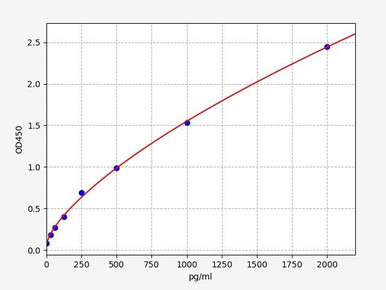
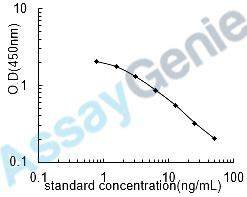
Cortisol ELISA Kit
The stress hormone that reshapes gut function and microbial balance.
View kit →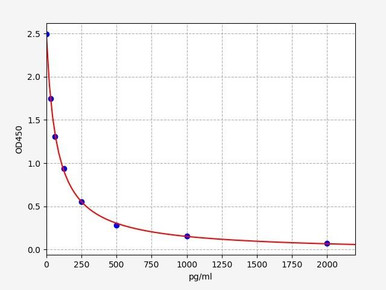
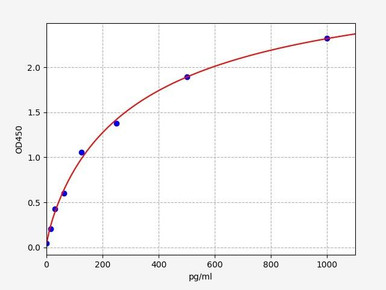
Serotonin Transporter (SERT) ELISA Kit
Controls serotonin signalling in gut and brain; the SSRI target.
View kit →
Calprotectin ELISA Kit
A faecal marker of intestinal inflammation and barrier disruption.
View kit →
Melatonin ELISA Kit
Regulates circadian rhythm and is produced in the gut as well as the pineal gland.
View kit →What is the Gut-Brain Axis?
The gut-brain axis is a dynamic, bidirectional communication system linking the gastrointestinal tract with the central nervous system. It has become a focal point of neuroscience because it reveals how deeply the gut — and the microbiota within it — influences cognition, emotion and behaviour. Beyond digestion, the gut helps shape neurological processes through neural pathways, hormonal signalling and immune mediators, engaging the brain in a continuous dialogue.
This dialogue runs in both directions: the brain influences gut motility, secretion and immune activity, while the gut sends signals back that affect mood, stress responses and even the risk of neurological disease. Understanding these routes is opening a previously unexplored dimension of human physiology.
Components of the Gut-Brain Axis
Several interconnected systems carry information between gut and brain.
The immune system
Gut-associated immune cells release cytokines that reach the brain, linking intestinal inflammation to changes in mood and cognition.
The neuroendocrine system
This bridge between the nervous and endocrine systems releases hormones such as cortisol and serotonin. Cortisol, produced during stress, alters gut function and microbial balance, while serotonin — abundant in the gut — governs motility and gut-brain signalling.
The enteric nervous system
Often called the "second brain", the enteric nervous system is a vast network of neurons in the gut wall that controls peristalsis and secretion independently, while communicating bidirectionally with the CNS.
The vagus nerve
The vagus nerve is the principal neural highway of the axis, carrying signals directly between the gut and the brainstem.
The gut microbiome
The trillions of microbes in the gut produce neurotransmitters and metabolites that influence brain chemistry, making the microbiome a central player in the axis.
Gut-Brain Signalling Molecules
Communication along the axis is carried by a diverse set of chemical messengers.
Neurotransmitters
Serotonin, GABA and dopamine are produced in or influenced by the gut and shape mood, motility and stress responses; gut bacteria themselves synthesise several of these molecules.
Hormones
Cortisol and melatonin connect the stress and circadian systems to gut physiology, while enteric hormones released by the gut regulate appetite and satiety signals to the brain.
Bioactive compounds
Microbial metabolites such as short-chain fatty acids, along with markers of barrier integrity, modulate inflammation and neuronal signalling throughout the axis.
Factors That Influence the Axis
The state of the gut-brain axis is shaped above all by the composition of the gut microbiome, which is in turn influenced by diet, antibiotics, stress, age and environment. A diverse, balanced microbiome supports healthy signalling, whereas dysbiosis — a loss of that balance — disrupts the production of neuroactive metabolites and weakens the intestinal barrier, allowing inflammatory signals to reach the brain.
Dysregulation and Disease
When gut-brain communication breaks down, the consequences reach well beyond the digestive system.
Neurodegenerative disorders
Altered microbiota and gut inflammation have been linked to Parkinson’s and Alzheimer’s disease, where gut-derived signals may contribute to neurodegeneration.
Neurodevelopmental conditions
Differences in the gut microbiome have been associated with neurodevelopmental conditions such as autism spectrum disorder, highlighting the axis’s role in brain development.
Mental health
Dysregulation of the gut-brain axis is increasingly connected to anxiety and depression, with the microbiome influencing the neurotransmitter and stress-hormone systems that underlie mood.
Measure the Gut-Brain Axis with Assay Genie
Quantify serotonin signalling, GABA, cortisol, melatonin, BDNF and gut-inflammation markers with validated ELISA kits for neuroscience and microbiome research.
Browse the full ELISA kit range →Frequently Asked Questions
What is the gut-brain axis?
It is the bidirectional communication network linking the gastrointestinal tract and the central nervous system through neural, hormonal, immune and microbial signals.
How do the gut and brain communicate?
Chiefly via the vagus nerve and enteric nervous system, plus hormones such as cortisol, immune cytokines, and neurotransmitters and metabolites produced by gut bacteria.
Why is serotonin important in the gut?
Around 90% of the body’s serotonin is made in the gut, where it controls motility and relays signals along the gut-brain axis.
What is the "second brain"?
The enteric nervous system — a network of hundreds of millions of neurons in the gut wall that can operate independently of the brain.
What conditions are linked to gut-brain dysregulation?
Imbalances have been associated with anxiety, depression, autism spectrum disorder, and neurodegenerative diseases such as Parkinson’s and Alzheimer’s.
Rithika is a life-science writer at Assay Genie covering neuroscience, immunology and the microbiome.
Recent Posts
-
Suspected Plague Death at a Siberian Anti-Plague Institute: What Researchers Should Know
Infectious Disease · News AnalysisSuspected Plague Death at a Siberian Anti-Plague Institute: What …6th Oct 2026 -
LPS ELISA Troubleshooting: The Importance of Sample Nature
Quick answer A researcher measuring circulating lipopolysaccharide (LPS) in human serum …25th Sep 2026 -

Sekundärantikörper wählen: Die Regel, die im Labor wirklich zählt
Sekundärantikörper wählen: Die Regel, die im Labor wirklich zählt Wählen Sie einen Sekundärantikörp …24th Sep 2026