
-
Tumour Inflammation & Signaling | Assay Genie(Post)
By Charlotte O’Donnell PhD Inflammation and Cancer The link between inflammation and cancer is well established, with infl
Transformation Protocol – Sample Transformation Protocols(Post)Introduction Transformation of bacteria with plasmids is not only of note for bacterial studies but also can be used for gene expression studies in mammalian cells. Most plasmids are of bact
Microglial Functions: Immune Response + Neuroinflammation(Post)Key Takeaways: Microglia are immune cells in the CNS, originating from myeloid precursor cells. They surveil the CNS, respond to changes, and maintain neural health. Microglia exist in diff
From Stem Cells To Neurons: A Cnidarian Approach(Post)By Eleni Chrysostomou, PhD Candidate, NUIG Why do we need to know how the Nervous System develops and regenerates? The structure and function of the n
Auto-inflammatory diseases and genetics (SAIDs)(Post)Shelly Pathak PhD candidate, University of Leeds SAIDs Systemic Auto-inflammatory diseases (SAIDs) have been defined as a group of mainly inherited disorder
The double-edged sword in prostate cancer therapy(Post)By Zoe Angel, PhD Student, Ulster University Prostate cancer is now the commonest cancer in men and it is the fifth leading cause of death (1). Researchers h
JAK-STAT Signaling Pathway: A Comprehensive Exploration(Post)Progression of the JAK STAT Signalling Pathway Cellular communication is a complex network of molecular interactions that govern various physiological processes. Among the many signal
Myeloid Checkpoints: CD47-SIRPa, LILRB and Siglec-10(Page) Prostate Cancer Markers : What to Look for in Your Test Results(Post)In this blog post, we will review prostate cancer markers and what you should look for in your results. Prostate antigen marker (PSA) and p63 are the most common markers found in pro
Breakthrough Discovery: Epstein-Barr Virus Identified as Primary Trigger for Lupus(Post)Breakthrough Discovery: Epstein-Barr Virus Identified as Primary Trigger for Lupus A groundbreaking study published in November 2025 has provided the most definitive evidence to date that the common E
Binding Is the Easy Part(Post)An antibody–drug conjugate is not a targeted drug. It is a delivery problem with an antibody bolted to the front of it. Binding is the easy part, and it is almost never the part that fails. What deci
Vascular Endothelial Growth Factor A (VEGFA): A Cornerstone in Angiogenesis and Beyond(Post)Vascular Endothelial Growth Factor A (VEGFA) is a pivotal signaling protein involved in both vasculogenesis and angiogenesis, processes essential for the formation of blood vessels during embryoni
NK Cell Licensing and Missing-Self(Page) Dendritic Cells - Markers, Activation & Subtypes(Post)Immunology · Antigen PresentationDendritic Cells: Markers, Activation and SubtypesDendritic cells are the professional antigen-presenting cells that decide whether an immune response happens at all. T
Sandwich ELISA: Step-by-Step Protocol & Troubleshooting(Post)Written by Seán Mac Fhearraigh, PhD • Updated: 19 May 2026 • ~10 min read Quick Answer A sandwich ELISA uses two antibodies — a capture ant
Phosphatases and PTP1B – Mini review(Post)IntroductionThe human kinome is estimated to contain 518 genes, in comparison to the estimated 180 genes that comprise the phosphatome (Arena et al., 2005). These kinase genes represent a signif
The Strategic Role of Secondary Antibody Incubation Times in Immunodetection Techniques(Post)Immunodetection · ProtocolsSecondary Antibody Incubation: Times, Conditions and TroubleshootingThe secondary antibody step determines how much signal you get and how much background comes with it. Inc
Anti-Tag Antibodies(Page) The Neural Shield: How Cancer-Induced Nerve Injury Drives Immunotherapy Resistance(Post)For years, our understanding of cancer focused primarily on the tumor cells themselves and the immune system's response. However, a groundbreaking wave of research is revealing a startling truth: ner
PD-1/PD-L1 Checkpoint Signalling: Pathway, Function and Assays(Post)PD-1 does not switch a T cell off; it moves the threshold. Engagement of PD-1 by PD-L1 recruits a single phosphatase into the immunological synapse, and that one recruitment event is enough to collap
Featured
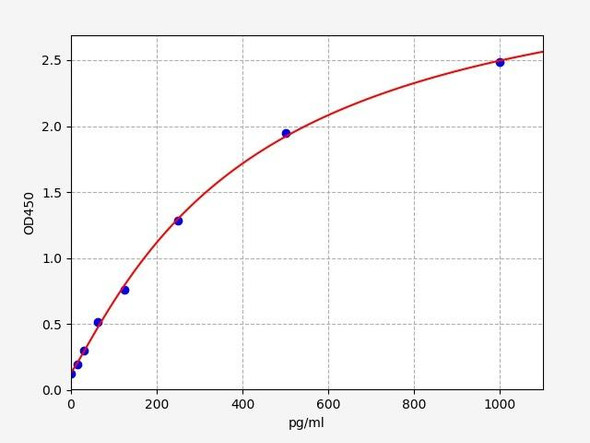

Human CAT (Catalase) ELISA Kit (HUFI07676)
- Product Code:
- HUFI07676
- Detection Method:
- Sandwich ELISA, Double Antibody
- Sensitivity:
- 9.375 pg/mL
- Range:
- 15.625-1000 pg/mL


Human MICA ELISA Kit (HUFI00015)
- Product Code:
- HUFI00015
- Detection Method:
- Sandwich ELISA, Double Antibody
- Sensitivity:
- 46.875 pg/mL
- Range:
- 78.125-5000 pg/mL

Fatty Acid Oxidation (FAO) Assay Kit (BR00001)
- Product Code:
- BR00001
- Instrument:
- Microplate Reader

Anti-Mouse IFNAR-1 In Vivo Antibody - Low Endotoxin (IVMB0202)
- Product Code:
- IVMB0202
- Antibody Type:
- Functional-Grade In Vivo Antibody
- Clone:
- MAR1-5A3
- Protein:
- IFNAR1
- Isotype:
- Mouse IgG1

Anti-Mouse CD25 In Vivo Antibody - Low Endotoxin (IVMB0148)
- Product Code:
- IVMB0148
- Antibody Type:
- Functional-Grade In Vivo Antibody
- Clone:
- PC61
- Protein:
- CD25
- Isotype:
- Rat IgG1 lambda

Anti-Mouse NK1.1 In Vivo Antibody - Low Endotoxin (IVMB0100)
- Product Code:
- IVMB0100
- Antibody Type:
- Functional-Grade In Vivo Antibody
- Clone:
- PK136
- Protein:
- NK1.1
- Isotype:
- Mouse IgG2a kappa
![Anti-Mouse PD-1 (CD279) [RMP1-14] In Vivo Antibody - Low Endotoxin](https://cdn11.bigcommerce.com/s-h68l9z2lnx/images/stencil/590x590/products/214372/569320/anti-mouse-pd-1-cd279-rmp1-14-in-vivo-antibody-low-endotoxin__18202.1743527968.jpg?c=2 "Anti-Mouse PD-1 (CD279) [RMP1-14] In Vivo Antibody - Low Endotoxin")
Anti-Mouse PD-1 Antibody [RMP1-14] In Vivo-Low Endotoxin (IVMB0037)
- Product Code:
- IVMB0037
- Antibody Type:
- Functional-Grade In Vivo Antibody
- Clone:
- RMP1-14
- Protein:
- PD-1
- Isotype:
- Rat IgG2a kappa


LSAMP Rabbit Polyclonal Antibody (CAB14248)
- Product Code:
- CAB14248
- Antibody Type:
- Polyclonal Antibody
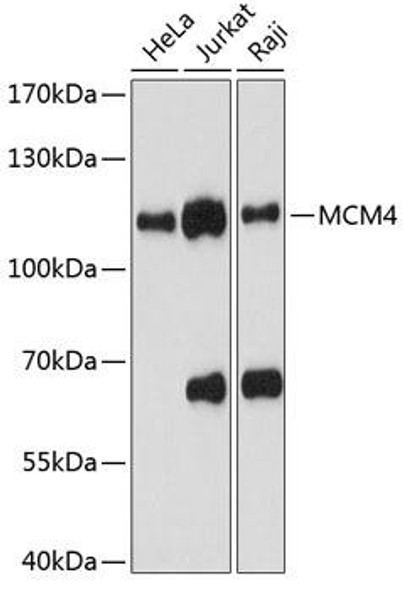
MCM4 Rabbit Polyclonal Antibody (CAB13513)
- Product Code:
- CAB13513
- Antibody Type:
- Polyclonal Antibody

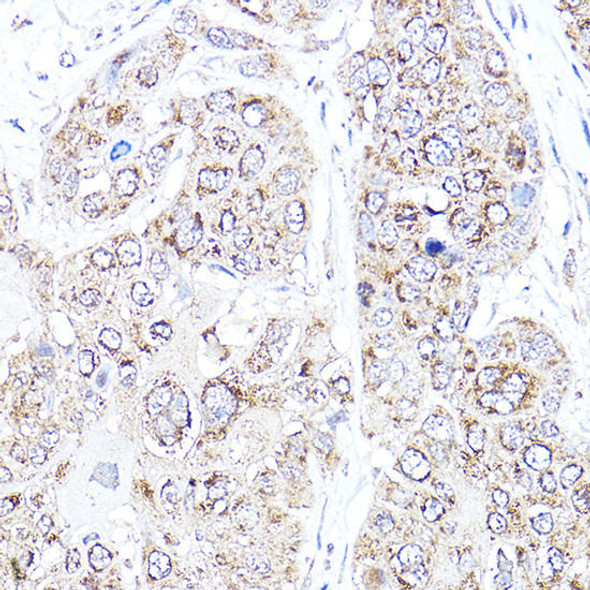
VEGF Rabbit Polyclonal Antibody (CAB12303)
- Product Code:
- CAB12303
- Antibody Type:
- Polyclonal Antibody

MDA ELISA Kit (UNFI0048)
- Product Code:
- UNFI0048
- Detection Method:
- Competitive ELISA, Coated with Antigen
- Sensitivity:
- 4.688 ng/mL
- Range:
- 7.813-500 ng/mL


Dopamine ELISA Kit (UNFI0013)
- Product Code:
- UNFI0013
- Detection Method:
- Competitive ELISA, Coated with Antigen
- Sensitivity:
- 0.938 ng/mL
- Range:
- 1.563-100 ng/mL

Serotonin ELISA Kit (UNFI0018)
- Product Code:
- UNFI0018
- Detection Method:
- Competitive ELISA, Coated with Antigen
- Sensitivity:
- 0.938 ng/mL
- Range:
- 1.563-100 ng/mL

PGE2 ELISA Kit (UNFI0032)
- Product Code:
- UNFI0032
- Detection Method:
- Competitive ELISA, Coated with Antigen
- Sensitivity:
- 18.75 pg/mL
- Range:
- 31.25-2000 pg/mL
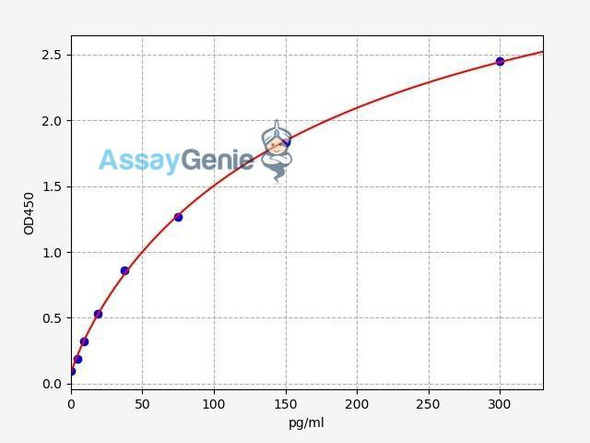
Human IL-6 ELISA Kit (HUFI00180)
- Product Code:
- HUFI00180
- Sensitivity:
- 2.813pg/ml
- Range:
- 4.688-300pg/ml
- ELISA Type:
- Sandwich
