
-
CD39: A Novel Target to Overcome Immunosuppression in Cancer(Post)
Introduction to CD39 and Cancer Immunosuppression CD39 is an ectonucleotidase enzyme that plays a crucial role in generating adenosine, a powerful immunosuppressive molecule within the tu
Harnessing CD40 for Potent Anti-Tumor Immune Responses(Post)CD40, a member of the tumor necrosis factor receptor (TNFR) superfamily, plays a pivotal role in regulating immune responses, particularly in activating antigen-presenting cells (APCs) an
TNFR2: Taming Regulatory T Cells to Enhance Anti-Tumor Immunity(Post)In recent years, cancer immunotherapy has become a powerful tool for treating various malignancies. One promising approach involves targeting the tumor microenvironment, particularly regu
Mycoplasma Testing - Detection & Elimination(Page) Antigen Presenting Cells (APCs) and cancer immunotherapy(Post)Explore antigen presentation's crucial role in adaptive immunity and its impact on cancer immunotherapy, highlighting the diversity and function of MHC class I molecules. Key Takeaway
Unlocking the Potential of Anti-CD47 in Cancer Immunotherapy(Post)Quick Facts About RagifilimabWhat is Ragifilimab?Ragifilimab is an investigational anti-CD47 monoclonal antibody developed to block the CD47-SIRPα interaction, thereby enhancing macropha
Belimumab: Unveiling Its Role in Lupus and Beyond(Post)Quick Facts About BelimumabWhat is Belimumab?Belimumab is a monoclonal antibody used to treat systemic lupus erythematosus (SLE), an autoimmune disease. It is marketed under the brand na
Bone Resorption Explained: Process, Markers, and Clinical Insights(Post)Bone Biology · BiomarkersBone Resorption: Process, Markers & Clinical SignificanceBone resorption is the process by which osteoclasts break down bone tissue and release its stored minerals into the bl
Murlentamab: Revolutionizing Cancer Research with Targeted Therapy(Post)Quick Facts About MurlentamabWhat is Murlentamab?Murlentamab is a novel monoclonal antibody designed to target CD47, a "don’t eat me" signal that helps cancer cells evade the immune syst
Tomaralimab: Unveiling the Role of Anti-CD47 in Cancer Research(Post)Quick Facts About TomaralimabWhat is Tomaralimab?Tomaralimab is an anti-CD47 monoclonal antibody designed to enhance immune system recognition of cancer cells by blocking the "don't eat
How we can target the underlying immune processes in pathological inflammation in obesity, cancer and liver disease.(Post)Dr. Melissa Conroy, TTMI I am an immunologist and senior research fellow in the Cancer Immunology and Immunotherapy Group, Department of Surgery at Trinity
The Intricacies of IL-21 Signaling: Impact on Diverse Immune Cell Types(Post)Interleukin-21 (IL-21) stands out as a pivotal cytokine in the complex network of immune system communication. Its role in regulating various immune cell types has drawn considerable attention
Comprehensive Guide to Mononuclear Cells(Post)Immunology · Cell IsolationPeripheral Blood Mononuclear Cells (PBMCs): Composition, Isolation and UseMononuclear cells are the leukocytes with a single, unlobed nucleus — lymphocytes and monocytes. Is
AKT Signalling – Mini Review(Post)Protein kinase B or AKT (PKB) is a serine/threonine kinase. In mammals it is comprised of 3 highly homologous isoforms PKBα (Akt1), PKBβ (Akt2), and PKBγ (Akt3) (Manning and Cantley 2007). AKT
Carlumab: Exploring Its Mechanism, Clinical Potential, and Research Biosimilars(Post)Quick Facts About CarlumabWhat is Carlumab?Carlumab is a monoclonal antibody developed to target CC-chemokine ligand 2 (CCL2), a key mediator in inflammatory diseases and cancer progress
Avdoralimab: Exploring Its Role in Immunotherapy and Biosimilar Advancements(Post)Quick Facts About AvdoralimabWhat is Avdoralimab?Avdoralimab is a monoclonal antibody targeting C5aR1, playing a crucial role in modulating immune response and inflammation.What is the m
Ulocuplumab: Targeting CXCR4 in Cancer Research and Beyond(Post)Quick Facts About UlocuplumabWhat is Ulocuplumab?Ulocuplumab is an investigational monoclonal antibody targeting CXCR4, a chemokine receptor involved in tumor progression and immune cell
Adipocytokines(Page) Aducanumab: Mechanism, Clinical Applications, and the Role of Biosimilars in Research(Post)Quick Facts About AducanumabWhat is Aducanumab?Aducanumab is a monoclonal antibody designed to target and reduce amyloid-beta plaques in the brain, a hallmark of Alzheimer’s disease.What
PD-1 PD-L1 Pathway Diagram(Page)Featured
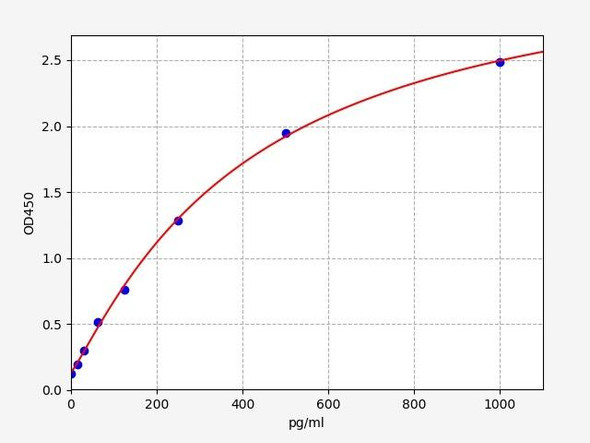

Human CAT (Catalase) ELISA Kit (HUFI07676)
- Product Code:
- HUFI07676
- Detection Method:
- Sandwich ELISA, Double Antibody
- Sensitivity:
- 9.375 pg/mL
- Range:
- 15.625-1000 pg/mL


Human MICA ELISA Kit (HUFI00015)
- Product Code:
- HUFI00015
- Detection Method:
- Sandwich ELISA, Double Antibody
- Sensitivity:
- 46.875 pg/mL
- Range:
- 78.125-5000 pg/mL

Fatty Acid Oxidation (FAO) Assay Kit (BR00001)
- Product Code:
- BR00001
- Instrument:
- Microplate Reader

Anti-Mouse IFNAR-1 In Vivo Antibody - Low Endotoxin (IVMB0202)
- Product Code:
- IVMB0202
- Antibody Type:
- Functional-Grade In Vivo Antibody
- Clone:
- MAR1-5A3
- Protein:
- IFNAR1
- Isotype:
- Mouse IgG1

Anti-Mouse CD25 In Vivo Antibody - Low Endotoxin (IVMB0148)
- Product Code:
- IVMB0148
- Antibody Type:
- Functional-Grade In Vivo Antibody
- Clone:
- PC61
- Protein:
- CD25
- Isotype:
- Rat IgG1 lambda

Anti-Mouse NK1.1 In Vivo Antibody - Low Endotoxin (IVMB0100)
- Product Code:
- IVMB0100
- Antibody Type:
- Functional-Grade In Vivo Antibody
- Clone:
- PK136
- Protein:
- NK1.1
- Isotype:
- Mouse IgG2a kappa

Anti-Mouse PD-1 Antibody [RMP1-14] In Vivo-Low Endotoxin (IVMB0037)
- Product Code:
- IVMB0037
- Antibody Type:
- Functional-Grade In Vivo Antibody
- Clone:
- RMP1-14
- Protein:
- PD-1
- Isotype:
- Rat IgG2a kappa


LSAMP Rabbit Polyclonal Antibody (CAB14248)
- Product Code:
- CAB14248
- Antibody Type:
- Polyclonal Antibody
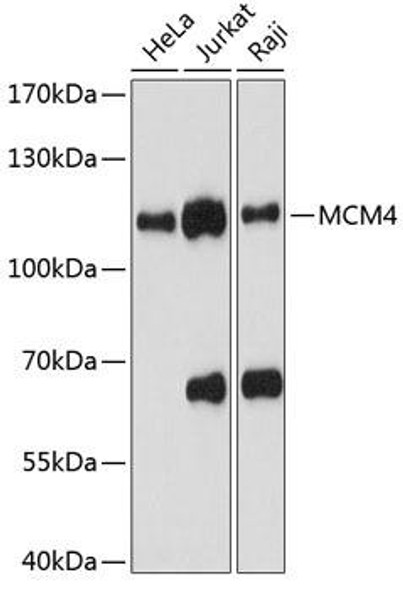
MCM4 Rabbit Polyclonal Antibody (CAB13513)
- Product Code:
- CAB13513
- Antibody Type:
- Polyclonal Antibody

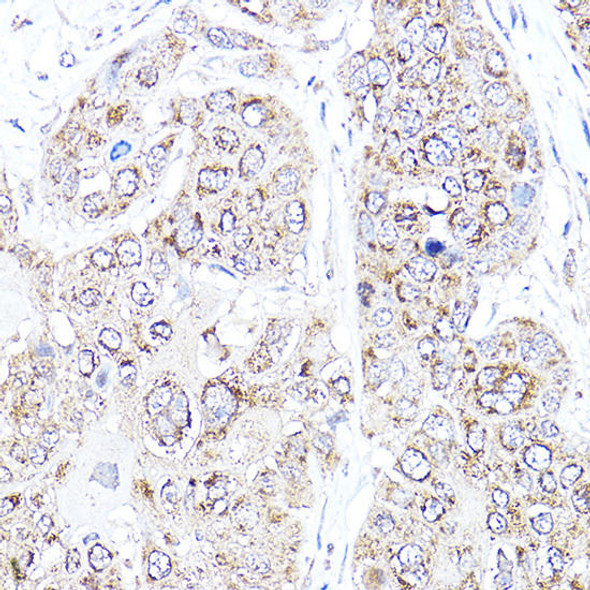
VEGF Rabbit Polyclonal Antibody (CAB12303)
- Product Code:
- CAB12303
- Antibody Type:
- Polyclonal Antibody

MDA ELISA Kit (UNFI0048)
- Product Code:
- UNFI0048
- Detection Method:
- Competitive ELISA, Coated with Antigen
- Sensitivity:
- 4.688 ng/mL
- Range:
- 7.813-500 ng/mL


Dopamine ELISA Kit (UNFI0013)
- Product Code:
- UNFI0013
- Detection Method:
- Competitive ELISA, Coated with Antigen
- Sensitivity:
- 0.938 ng/mL
- Range:
- 1.563-100 ng/mL

Serotonin ELISA Kit (UNFI0018)
- Product Code:
- UNFI0018
- Detection Method:
- Competitive ELISA, Coated with Antigen
- Sensitivity:
- 0.938 ng/mL
- Range:
- 1.563-100 ng/mL

PGE2 ELISA Kit (UNFI0032)
- Product Code:
- UNFI0032
- Detection Method:
- Competitive ELISA, Coated with Antigen
- Sensitivity:
- 18.75 pg/mL
- Range:
- 31.25-2000 pg/mL
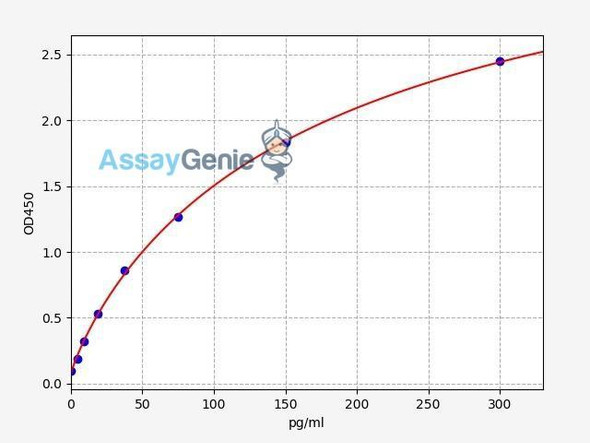
Human IL-6 ELISA Kit (HUFI00180)
- Product Code:
- HUFI00180
- Sensitivity:
- 2.813pg/ml
- Range:
- 4.688-300pg/ml
- ELISA Type:
- Sandwich
