
Bone Resorption Explained: Process, Markers, and Clinical Insights
Bone Resorption: Process, Markers & Clinical Significance
Bone resorption is the process by which osteoclasts break down bone tissue and release its stored minerals into the bloodstream. Balanced against bone formation by osteoblasts, it keeps the skeleton healthy — but when resorption outpaces formation, the result is bone loss, osteoporosis and fracture. Measuring resorption markers is central to studying and managing bone disease.
Explore bone resorption ELISA kits →Key Takeaways
- Bone resorption is the breakdown of bone by osteoclasts, releasing stored calcium and minerals.
- It is balanced against bone formation by osteoblasts in a continuous remodelling cycle.
- RANKL drives osteoclast formation and activity; it is opposed by osteoprotegerin.
- Resorption is tracked with markers such as CTX-I, NTX-I, TRAP-5b and cathepsin K.
- Excess resorption causes osteoporosis, osteolysis and increased fracture risk.
- Bone resorption is essential to calcium homeostasis throughout the body.
Bone Resorption ELISA Kits
Validated ELISA kits for the collagen breakdown products, osteoclast enzymes and signalling factors used to measure bone turnover.
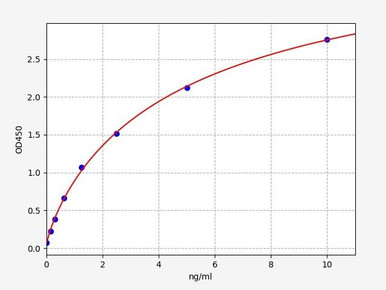
CTX-I ELISA Kit
C-telopeptide of type I collagen — the leading serum marker of bone resorption.
View kit →
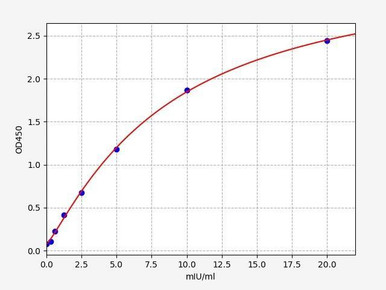
TRAP-5b ELISA Kit
Tartrate-resistant acid phosphatase, a direct marker of osteoclast number.
View kit →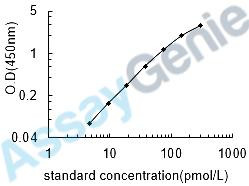
Cathepsin K ELISA Kit
The protease osteoclasts use to digest the bone collagen matrix.
View kit →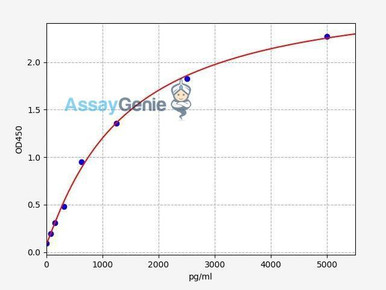
RANKL (TNFSF11) ELISA Kit
The key signal that drives osteoclast formation and activation.
View kit →
Bone Alkaline Phosphatase ELISA Kit
A bone-formation marker used alongside resorption markers to assess turnover.
View kit →What is Bone Resorption?
Bone is not the static, inert material it appears to be. It is a living tissue in a constant state of renewal, continuously broken down and rebuilt in a process called remodelling. Bone resorption is the breakdown half of that cycle: specialised cells called osteoclasts dissolve the mineral and digest the protein matrix of bone, releasing calcium and other minerals back into the bloodstream.
Resorption is balanced against bone deposition, the counter-process carried out by osteoblasts, which lay down new collagen and promote mineralisation to replace the bone that was removed. In a healthy adult the two are tightly coupled, so bone mass stays stable. When resorption outpaces formation — as happens with ageing, hormone loss or disease — the skeleton weakens.
Osteoclasts and the Resorption Process
Osteoclasts are large, multinucleated cells derived from the same myeloid lineage that produces macrophages. Their formation and activity are controlled chiefly by RANKL, a signal produced by osteoblasts and other cells; RANKL is opposed by a decoy receptor, osteoprotegerin, and the balance between them sets the pace of resorption.

To resorb bone, an activated osteoclast clamps tightly onto the bone surface, forming a sealed compartment. It pumps in acid to dissolve the mineral, then secretes the enzyme cathepsin K to digest the exposed collagen matrix. The collagen fragments released — including the C- and N-telopeptides — spill into the circulation, where they can be measured as markers of how much bone is being broken down.
Bone Resorption Markers
Because resorption releases characteristic molecules into blood and urine, it can be tracked without a biopsy. The most widely used resorption markers are the collagen breakdown products CTX-I and NTX-I, together with the osteoclast enzymes TRAP-5b and cathepsin K. These are usually interpreted alongside a formation marker such as bone alkaline phosphatase to give a complete picture of bone turnover.
These markers are invaluable in research and in the clinic, where they are used to monitor osteoporosis, assess fracture risk and track the response to bone-active therapies.
Bone Resorption in Disease
When resorption runs ahead of formation, bone is lost faster than it can be replaced. In osteoporosis this leads to low bone mass, fragile bone architecture and a greatly increased risk of fracture — a process accelerated by the fall in oestrogen after menopause and by glucocorticoid excess.

Localised, excessive resorption also drives osteolysis — the destruction of bone seen around bone tumours and metastases, and in conditions such as rheumatoid arthritis. Subperiosteal resorption, the erosion of bone beneath its outer membrane, is a classic sign of hyperparathyroidism. In each case, resorption markers help quantify how active the disease is.
The Role of Calcium
Beyond the skeleton itself, bone resorption is central to whole-body calcium balance. Bone is the body’s main calcium reservoir, and when blood calcium falls, hormones including parathyroid hormone stimulate osteoclasts to resorb bone and release calcium into the circulation. This makes bone resorption not only a structural process but a key part of the endocrine system that keeps calcium — essential for nerves, muscle and clotting — within its narrow healthy range.
Measure Bone Turnover with Assay Genie
Quantify CTX-I, NTX-I, TRAP-5b, cathepsin K, RANKL and bone alkaline phosphatase with validated ELISA kits for bone-biology, osteoporosis and oncology research.
Browse the full ELISA kit range →Frequently Asked Questions
What is bone resorption?
It is the process by which osteoclasts break down bone tissue, releasing stored calcium and minerals into the bloodstream as part of continuous bone remodelling.
What cells carry out bone resorption?
Osteoclasts — large multinucleated cells of myeloid origin — resorb bone, while osteoblasts rebuild it.
What are the main bone resorption markers?
The collagen fragments CTX-I and NTX-I, plus the osteoclast enzymes TRAP-5b and cathepsin K, are the most widely used markers.
How is bone resorption linked to osteoporosis?
When resorption exceeds bone formation, bone mass falls and architecture weakens, producing osteoporosis and a higher fracture risk.
What is RANKL?
RANKL is the key signalling protein that drives osteoclast formation and activity; it is opposed by the decoy receptor osteoprotegerin.

Marina holds a PhD in cell biology and writes on bone biology, immunology and biomarkers for Assay Genie.
Recent Posts
-
Suspected Plague Death at a Siberian Anti-Plague Institute: What Researchers Should Know
Infectious Disease · News AnalysisSuspected Plague Death at a Siberian Anti-Plague Institute: What …6th Oct 2026 -
LPS ELISA Troubleshooting: The Importance of Sample Nature
Quick answer A researcher measuring circulating lipopolysaccharide (LPS) in human serum …25th Sep 2026 -

Sekundärantikörper wählen: Die Regel, die im Labor wirklich zählt
Sekundärantikörper wählen: Die Regel, die im Labor wirklich zählt Wählen Sie einen Sekundärantikörp …24th Sep 2026