
-
Understanding PIIINP Levels in Canine Liver Fibrosis(Post)
Understanding PIIINP Levels in Canine Liver FibrosisLiver fibrosis is a significant health concern in dogs, often leading to severe complications if not diagnosed and managed appropriately. This artic
Innate Viral Immunity & RIG-I in COVID-19(Post)RIG-I: Antiviral Properties in COVID-19 (SARS-CoV-2) Infection Key Points RIG-I is a cytosolic RNA h
Top 10 Universities in the UK(Post)Before I even started my PhD I was already thinking about carrying out PostDoc in a foreign country and had my sights set on going to the US. I had previously carried out a degree in Genetics
Cancer Research Club March 2020(Post)ELISA Genie is delighted to announce the date of our next Cancer Research Club which will be taking place on the 31st of March at TTMI, Trinity College Dublin. This event will focu
Waardenburg Syndrome and Klein-Waardenburg Syndrome(Post)Waardenburg Syndrome: A Rare Genetic Disorder Affecting Pigmentation, Hearing, and More Waardenburg Syndrome (WS) is a fascinating and rare genetic disorder that impacts various aspe
The Strategic Role of Secondary Antibody Incubation Times in Immunodetection Techniques(Post)Immunodetection · ProtocolsSecondary Antibody Incubation: Times, Conditions and TroubleshootingThe secondary antibody step determines how much signal you get and how much background comes with it. Inc
Biological Role of GLP-1(Post)Glucagon-like peptide-1 (GLP-1) is a critical hormone in the regulation of glucose metabolism and has garnered significant attention due to its therapeutic potential in managing diabetes
How do Neurons work?(Post)A neuron is a cell that processes and transmits information through electrical and chemical signals. There are trillions of them in the human brain, which is able to carry out so many complex
COVID-19 Antibody Testing(Post)COVID-19 Antibody Testing Antibody Production in COVID-19 COVID-19, the novel coronavirus disease
The Role of Tumor Suppressor Genes in Cancer: Knudson Hypothesis & Oncogenes(Post)Cancer Biology · GeneticsTumour Suppressor Genes: Roles, Examples & CancerTumour suppressor genes are the brakes on cell growth — they restrain proliferation, repair damaged DNA and trigger apoptosis
Excluding Doublets in FACS Analysis: A Comprehensive Guide(Post)Flow Cytometry · GatingExcluding Doublets in Flow Cytometry: Pulse Geometry and Gating StrategyTwo cells passing the laser together are recorded as one event, with roughly double the signal. In DNA co
Cyclophosphamide Side Effects(Post)Ovarian cancer is a set of malignancies that start in the ovaries, as well as adjacent portions of the fallopian tubes and peritoneum. Women have two ovaries, one on each side of the u
8 Steps to Mindfulness in the Laboratory(Post)Stress and anxiety are a normal part of our daily lives and impact everything we do from our relationships with loved ones to our performance in the laboratory. Like any scientist, I experienced s
Mycoplasma Testing - Detection & Elimination(Page) What is the difference between PBS and dPBS?(Post)Lab Buffers · ProtocolsPBS vs DPBS: What’s the Difference?PBS and DPBS are the everyday isotonic, pH-balanced salt solutions used to wash, dilute and transport cells and proteins. This guide bre
Antibody Seroconversion Response in COVID-19(Post)Seroconversion Implications in SARS-CoV-2 Diagnostic Testing Key Points: COVID-19, the pandemic
8-OHdG/Creatinine Ratio Too High? Urine ELISA Troubleshooting(Post)Quick answer A researcher running an 8-OHdG ELISA and a creatinine ELISA on human urine got 8-OHdG/creatinine ratios in the hundreds, then the thousands, of ng/mg, far above the ~30–40
Blood Coagulation Pathway: Factors, Cascade & Disorders [Guide](Post)Haematology · CoagulationBlood Coagulation Pathway: Factors, Cascade and DisordersThe coagulation cascade is usually taught as two pathways converging on a common one. That framework maps neatly onto
Types of PCR – 7 Methods, Principles & Applications(Post)Molecular Biology · Techniques Guide Types of PCR – 7 Methods, Principles & Applications PCR stands as a cornerstone in molecular biology, ena
What Causes Acute Pancreatitis?(Post)Acute pancreatitis (AP) is a condition in which activated enzymes and inflammatory mediators released from the pancreas cause damage to the pancreas and surrounding tissues. AP is furt
Featured
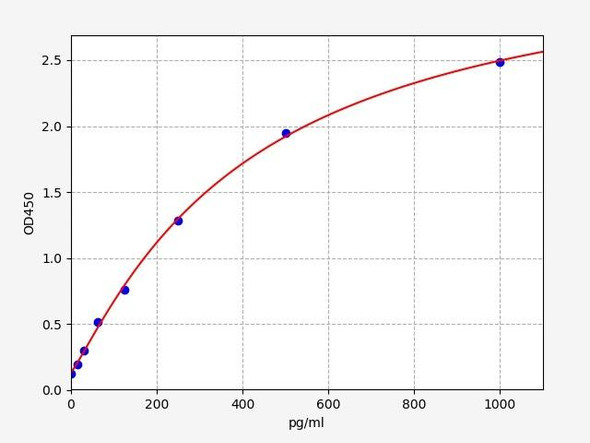

Human CAT (Catalase) ELISA Kit (HUFI07676)
- Product Code:
- HUFI07676
- Detection Method:
- Sandwich ELISA, Double Antibody
- Sensitivity:
- 9.375 pg/mL
- Range:
- 15.625-1000 pg/mL


Human MICA ELISA Kit (HUFI00015)
- Product Code:
- HUFI00015
- Detection Method:
- Sandwich ELISA, Double Antibody
- Sensitivity:
- 46.875 pg/mL
- Range:
- 78.125-5000 pg/mL

Fatty Acid Oxidation (FAO) Assay Kit (BR00001)
- Product Code:
- BR00001
- Instrument:
- Microplate Reader

Anti-Mouse IFNAR-1 In Vivo Antibody - Low Endotoxin (IVMB0202)
- Product Code:
- IVMB0202
- Antibody Type:
- Functional-Grade In Vivo Antibody
- Clone:
- MAR1-5A3
- Protein:
- IFNAR1
- Isotype:
- Mouse IgG1

Anti-Mouse CD25 In Vivo Antibody - Low Endotoxin (IVMB0148)
- Product Code:
- IVMB0148
- Antibody Type:
- Functional-Grade In Vivo Antibody
- Clone:
- PC61
- Protein:
- CD25
- Isotype:
- Rat IgG1 lambda

Anti-Mouse NK1.1 In Vivo Antibody - Low Endotoxin (IVMB0100)
- Product Code:
- IVMB0100
- Antibody Type:
- Functional-Grade In Vivo Antibody
- Clone:
- PK136
- Protein:
- NK1.1
- Isotype:
- Mouse IgG2a kappa

Anti-Mouse PD-1 Antibody [RMP1-14] In Vivo-Low Endotoxin (IVMB0037)
- Product Code:
- IVMB0037
- Antibody Type:
- Functional-Grade In Vivo Antibody
- Clone:
- RMP1-14
- Protein:
- PD-1
- Isotype:
- Rat IgG2a kappa


LSAMP Rabbit Polyclonal Antibody (CAB14248)
- Product Code:
- CAB14248
- Antibody Type:
- Polyclonal Antibody
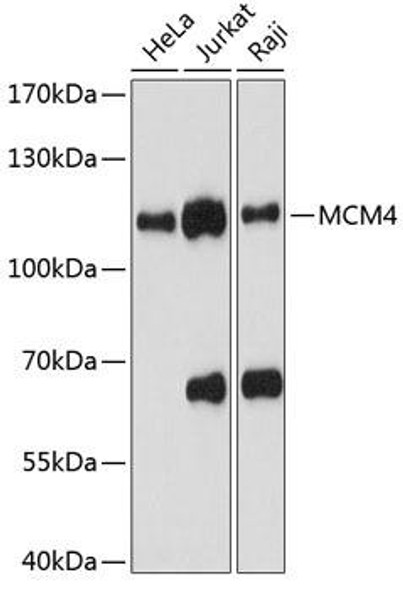
MCM4 Rabbit Polyclonal Antibody (CAB13513)
- Product Code:
- CAB13513
- Antibody Type:
- Polyclonal Antibody

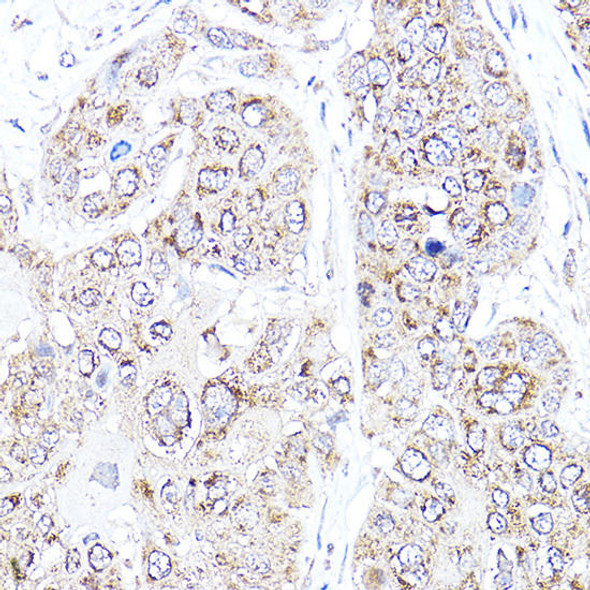
VEGF Rabbit Polyclonal Antibody (CAB12303)
- Product Code:
- CAB12303
- Antibody Type:
- Polyclonal Antibody

MDA ELISA Kit (UNFI0048)
- Product Code:
- UNFI0048
- Detection Method:
- Competitive ELISA, Coated with Antigen
- Sensitivity:
- 4.688 ng/mL
- Range:
- 7.813-500 ng/mL


Dopamine ELISA Kit (UNFI0013)
- Product Code:
- UNFI0013
- Detection Method:
- Competitive ELISA, Coated with Antigen
- Sensitivity:
- 0.938 ng/mL
- Range:
- 1.563-100 ng/mL

Serotonin ELISA Kit (UNFI0018)
- Product Code:
- UNFI0018
- Detection Method:
- Competitive ELISA, Coated with Antigen
- Sensitivity:
- 0.938 ng/mL
- Range:
- 1.563-100 ng/mL

PGE2 ELISA Kit (UNFI0032)
- Product Code:
- UNFI0032
- Detection Method:
- Competitive ELISA, Coated with Antigen
- Sensitivity:
- 18.75 pg/mL
- Range:
- 31.25-2000 pg/mL
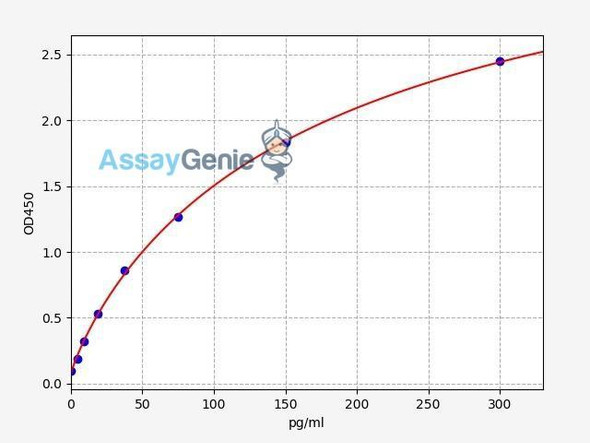
Human IL-6 ELISA Kit (HUFI00180)
- Product Code:
- HUFI00180
- Sensitivity:
- 2.813pg/ml
- Range:
- 4.688-300pg/ml
- ELISA Type:
- Sandwich
