
-
Androgenic steroid action in breast cancer(Post)
By Rachel Bleach, PhD Student, RCSI By the age of 79 years, 1 in 14 women will develop breast cancer (Global Burden of Disease Cancer 2017). Beatson reported
T-Cell Co-Stimulation & Agonist Checkpoint Pathway(Page) Unlocking Cellular Adaptation: The HIF Enhancer Pathway and Its Implications in Hypoxia Response(Post)Hypoxia, or low oxygen levels, poses a significant challenge to cells, necessitating rapid and efficient adaptation mechanisms. The Hypoxia-Inducible Factor (HIF) pathway is a well-known regula
Horseshoe Crab Blood and Endotoxin Testing: A Comprehensive Guide(Post)Horseshoe crabs, often referred to as "living fossils," are invaluable to modern medicine due to their unique blue blood. This blood is the source of Limulus Amebocyte Lysate (LAL), a sub
Illuminating the Multifaceted Role of Acetylation: Bridging Chemistry and Biology Introduction:(Post)Acetylation, a chemical process characterized by the addition of an acetyl functional group to a molecule, stands as a cornerstone in both biochemical and biological landscapes. Its significanc
Influenza Hemagglutinin (HA) Subtypes and Flu Virus Strains: What You Need to Know(Post)The flu is a highly contagious virus that affects the respiratory system. It can cause fever, muscle aches, and coughing. In some cases, it can lead to more serious health complicati
Th17 Cell Differentiation: Insights into Immunological Dynamics(Post)Th17 cells, a subset of T helper cells characterized by their production of interleukin-17 (IL-17), play a significant role in the immune system's response to pathogens and in the pathology of au
Investigating orthohantavirus infections with proteomics(Post)Sarah Brun Bar-Yaacov PhD Candidate, University of Liverpool Orthohantaviruses are a group of segmented negative-sense RNA viruses maintained as asympto
Estrogen and Breast Cancer: a Nuclear (Receptor) War(Post)By Dr. Lisa Dwane, Postdoctoral Researcher, Royal College of Surgeons in Ireland The first link between estrogen and breast cancer was made in the late 1
Mycoplasma Sample Request Form(Page) Diabetic Retinopathy: premature cellular senescence and microvascular dysfunction(Post)By Pietro Maria Bertelli, PhD Candidate, Queens University Belfast Introduction Eye complications are very frequent in patients with diabetes, and thi
Microglial Functions: Immune Response + Neuroinflammation(Post)Key Takeaways: Microglia are immune cells in the CNS, originating from myeloid precursor cells. They surveil the CNS, respond to changes, and maintain neural health. Microglia exist in diff
Types of PCR – 7 Methods, Principles & Applications(Post)Molecular Biology · Techniques Guide Types of PCR – 7 Methods, Principles & Applications PCR stands as a cornerstone in molecular biology, ena
Articular Cartilage Extracellular Matrix(Post)Articular cartilage, a key player in joint function, owes its unique properties to its extracellular matrix (ECM). This complex, highly specialized structure is not only fundamental in maintaining
Unraveling the Mysteries of Platelet-Activating GPCR Signaling(Post)Platelet activation plays a pivotal role in hemostasis, the process that stops bleeding and initiates wound healing. Central to this process is the activation of G protein-coupled receptors (GPCRs
miRNAs as therapeutics and biomarkers for pancreatic cancer(Post)Pancreatic cancer survival rates Despite recent advances in our understanding of this disease, pancreatic cancer is one of the world’s most lethal malignan
Understanding T Cell Fatigue: Implications for Immune Function and Therapeutic Interventions(Post)T cells are central players in adaptive immunity, responsible for recognizing and eliminating infected or aberrant cells. Upon encountering antigens, T cells undergo clonal expansion and differ
LILT: A Novel Immune Checkpoint for Cancer Therapy(Post)Recent advances in immunotherapy have highlighted the importance of targeting immune checkpoints to enhance the immune system’s ability to combat cancer. A new potential target in this gr
ST2 and IL33(Post)ST2, a member of the IL-1R Subfamily ST2 is a member of the IL-1R subfamily and was identified in 1989 [1]. The ST2 gene is located on chromoso
CXC Chemokine Family(Post)In the realm of immunology, CXCL chemokines emerge as fascinating conductors. These small proteins, marked by their CXC motif, wield considerable influence over our immune responses and a ra
Featured
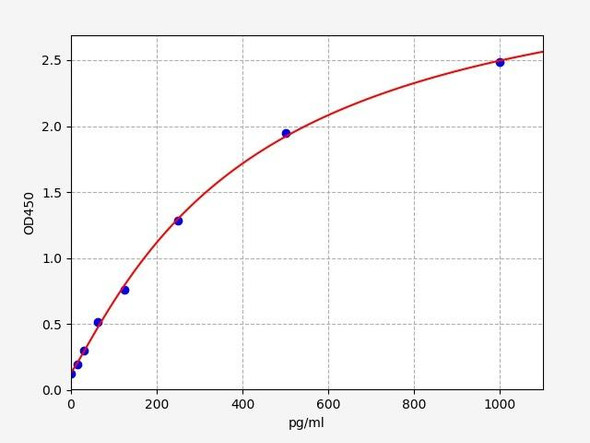

Human CAT (Catalase) ELISA Kit (HUFI07676)
- Product Code:
- HUFI07676
- Detection Method:
- Sandwich ELISA, Double Antibody
- Sensitivity:
- 9.375 pg/mL
- Range:
- 15.625-1000 pg/mL


Human MICA ELISA Kit (HUFI00015)
- Product Code:
- HUFI00015
- Detection Method:
- Sandwich ELISA, Double Antibody
- Sensitivity:
- 46.875 pg/mL
- Range:
- 78.125-5000 pg/mL

Fatty Acid Oxidation (FAO) Assay Kit (BR00001)
- Product Code:
- BR00001
- Instrument:
- Microplate Reader

Anti-Mouse IFNAR-1 In Vivo Antibody - Low Endotoxin (IVMB0202)
- Product Code:
- IVMB0202
- Antibody Type:
- Functional-Grade In Vivo Antibody
- Clone:
- MAR1-5A3
- Protein:
- IFNAR1
- Isotype:
- Mouse IgG1

Anti-Mouse CD25 In Vivo Antibody - Low Endotoxin (IVMB0148)
- Product Code:
- IVMB0148
- Antibody Type:
- Functional-Grade In Vivo Antibody
- Clone:
- PC61
- Protein:
- CD25
- Isotype:
- Rat IgG1 lambda

Anti-Mouse NK1.1 In Vivo Antibody - Low Endotoxin (IVMB0100)
- Product Code:
- IVMB0100
- Antibody Type:
- Functional-Grade In Vivo Antibody
- Clone:
- PK136
- Protein:
- NK1.1
- Isotype:
- Mouse IgG2a kappa
![Anti-Mouse PD-1 (CD279) [RMP1-14] In Vivo Antibody - Low Endotoxin](https://cdn11.bigcommerce.com/s-h68l9z2lnx/images/stencil/590x590/products/214372/569320/anti-mouse-pd-1-cd279-rmp1-14-in-vivo-antibody-low-endotoxin__18202.1743527968.jpg?c=2 "Anti-Mouse PD-1 (CD279) [RMP1-14] In Vivo Antibody - Low Endotoxin")
Anti-Mouse PD-1 Antibody [RMP1-14] In Vivo-Low Endotoxin (IVMB0037)
- Product Code:
- IVMB0037
- Antibody Type:
- Functional-Grade In Vivo Antibody
- Clone:
- RMP1-14
- Protein:
- PD-1
- Isotype:
- Rat IgG2a kappa


LSAMP Rabbit Polyclonal Antibody (CAB14248)
- Product Code:
- CAB14248
- Antibody Type:
- Polyclonal Antibody
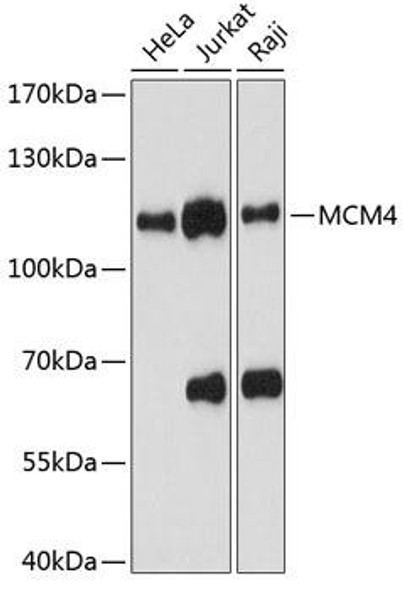
MCM4 Rabbit Polyclonal Antibody (CAB13513)
- Product Code:
- CAB13513
- Antibody Type:
- Polyclonal Antibody

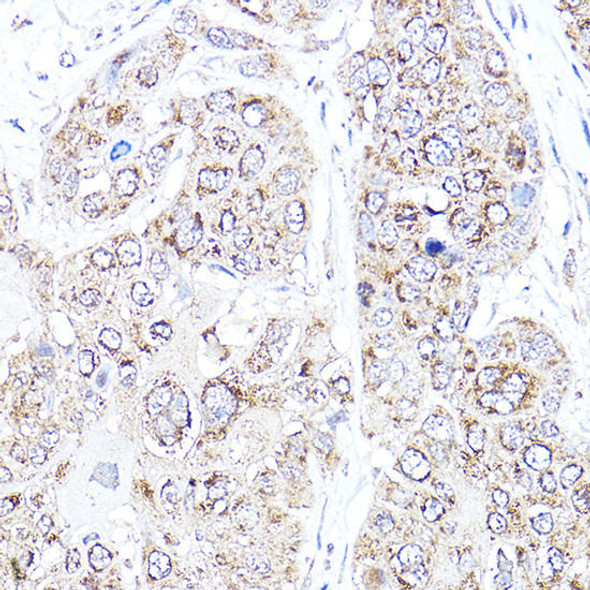
VEGF Rabbit Polyclonal Antibody (CAB12303)
- Product Code:
- CAB12303
- Antibody Type:
- Polyclonal Antibody

MDA ELISA Kit (UNFI0048)
- Product Code:
- UNFI0048
- Detection Method:
- Competitive ELISA, Coated with Antigen
- Sensitivity:
- 4.688 ng/mL
- Range:
- 7.813-500 ng/mL


Dopamine ELISA Kit (UNFI0013)
- Product Code:
- UNFI0013
- Detection Method:
- Competitive ELISA, Coated with Antigen
- Sensitivity:
- 0.938 ng/mL
- Range:
- 1.563-100 ng/mL

Serotonin ELISA Kit (UNFI0018)
- Product Code:
- UNFI0018
- Detection Method:
- Competitive ELISA, Coated with Antigen
- Sensitivity:
- 0.938 ng/mL
- Range:
- 1.563-100 ng/mL

PGE2 ELISA Kit (UNFI0032)
- Product Code:
- UNFI0032
- Detection Method:
- Competitive ELISA, Coated with Antigen
- Sensitivity:
- 18.75 pg/mL
- Range:
- 31.25-2000 pg/mL
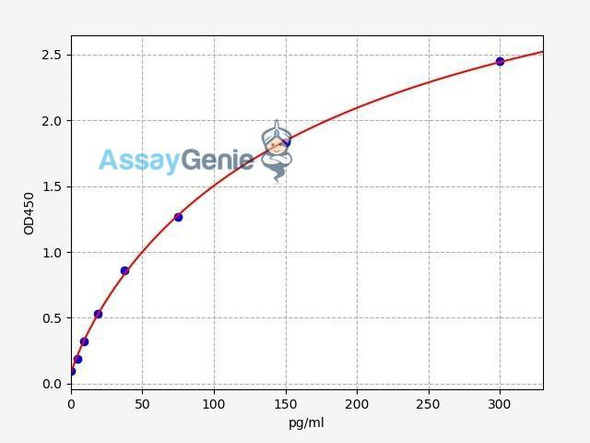
Human IL-6 ELISA Kit (HUFI00180)
- Product Code:
- HUFI00180
- Sensitivity:
- 2.813pg/ml
- Range:
- 4.688-300pg/ml
- ELISA Type:
- Sandwich
