
-
GPCRs (G Protein Coupled Receptors): A Guide(Post)
Cell Signalling · Receptor BiologyGPCRs (G Protein-Coupled Receptors): A Complete GuideG protein-coupled receptors are the largest family of cell-surface receptors in the human genome and the ta
Monocytes: An Overview (Post)Monocytes, as part of the innate immune system, act as the first line of defense against foreign invaders. One of their primary functions is phagocytosis, a crucial process in which they engulf
Immune Cell 'Bloodhounds': Engineering Metabolite-Sensing Receptors to Infiltrate Solid Tumors(Post)Imagine an elite squad of soldiers sent to neutralize a hidden fortress, only to find themselves wandering aimlessly in a thick, disorienting fog just outside the gates. This is the current reality f
Sensing Danger: The Biology of TLR-Mediated Inflammation(Post)By Eoin Mac Réamoinn Toll-like receptors (TLRs) are renowned for their fundamental roles in innate sensing and initiating inflammatory responses. TLRs acco
Autophagy alterations in Alzheimer’s disease(Post)By Diana-Madalina Stan, PhD student, University of Salford Disease Description Alzheimer’s disease (AD), the most common cause of dementia, is a neu
BTLA: A Key Player in Immune Regulation and Cancer Therapy(Post)Introduction to BTLA in Immune Regulation B and T lymphocyte attenuator (BTLA) is an immune checkpoint molecule that plays a critical role in regulating immune responses by suppressing T
CD80: Amplifying Immune Activation Through Co-Stimulatory Pathways(Post)Introduction to CD80 and Its Role in Immune Activation CD80 is a critical immune checkpoint molecule that plays an essential role in T cell activation through co-stimulatory pathways. Exp
Beyond Burnout: How T Cell Exhaustion Hijacks Cancer Immunity and What We Can Do About It(Post)Imagine a highly trained soldier, elite and effective, sent to the front lines of a relentless war. Day after day, they fight without rest, their supplies dwindle, and the enemy never stops coming. Ev
6 Schritte: ELISA Blockierpuffer nach Detektionschemie wählen(Post)Der richtige Startpunkt für die meisten ELISA‑Protokolle ist Magermilchpulver (NFDM) in TBST für HRP‑basierte Assays ohne Phospho‑Ziele, typischerweise in der gängigen Konzentrationsspanne. Bei St
IgA Test – Normal Ranges, Results & What They Mean(Post)Clinical · Immunology Guide IgA Test: Normal Ranges, Results & What They Mean [2026] What the immunoglobulin A blood test measures, how result
C-Reactive Protein (CRP): Function, Levels & What They Mean(Post)Biomarkers · InflammationC-Reactive Protein (CRP): Structure, Function and Clinical UseCRP is the most widely measured marker of inflammation in medicine — fast to rise, fast to fall, and entirely non
How Cancer Cells Hijack Immune Defenses Through Mitochondrial Transfer(Post)Imagine a battlefield where the enemy doesn't just hide from soldiers—it actively sabotages their weapons. In the tumor microenvironment, cancer cells have evolved a devious strategy: they transfer th
Inflammation and the aging process(Post)by Ryan Wallis, PhD Aging and Disease Imagine a world where everything you do is missing just a little piece and as time goes on you start to lose sense entirely. This is the deva
Cytokine Storms: What happens when the immune system overreacts?(Post)Immunology · HyperinflammationCytokine Storm and Cytokine Release Syndrome: Mechanisms, Triggers and MarkersA cytokine storm is a self-amplifying inflammatory response in which cytokine release drives
Innate Immunity: Components, Functions & First Line of Defence(Post)Immunology · Innate ImmunityInnate Immunity: Components, Functions & First Line of DefenceThe innate immune system is the body’s first line of defence — a fast, non-specific response built from physic
Antigen Presenting Cells (APCs) and cancer immunotherapy(Post)Explore antigen presentation's crucial role in adaptive immunity and its impact on cancer immunotherapy, highlighting the diversity and function of MHC class I molecules. Key Takeaway
Trained Immunity: How Your Innate Immune System Learns and Remembers(Post)For decades, immunologists believed that only adaptive immunity—the sophisticated system of T cells and B cells—could form lasting memories of past infections. The innate immune system, our body's fir
Dendritic Cells - Markers, Activation & Subtypes(Post)Immunology · Antigen PresentationDendritic Cells: Markers, Activation and SubtypesDendritic cells are the professional antigen-presenting cells that decide whether an immune response happens at all. T
A Guide To Tau Proteins & Tauopathies(Post)Neuroscience · BiomarkersA Guide to Tau Proteins & TauopathiesTau keeps the neuronal cytoskeleton standing up. When its phosphorylation goes wrong, the same protein becomes the aggregate that defines
Natural Killer Cells: A Guide(Post)Immunology · Innate LymphocytesNatural Killer Cells: Receptors, Subsets and FunctionNK cells kill without prior sensitisation and without antigen-specific receptors, using a balance of activating and
Featured
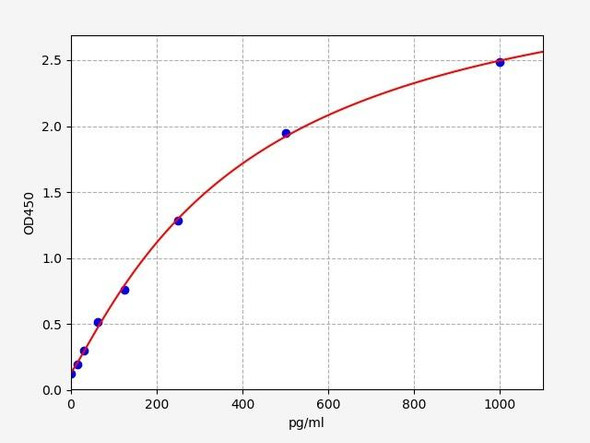

Human CAT (Catalase) ELISA Kit (HUFI07676)
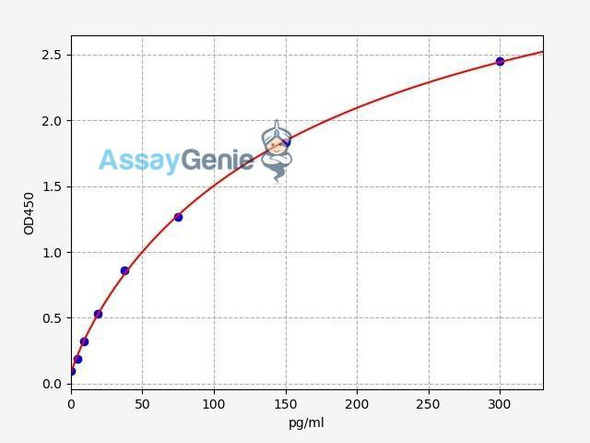
Human IL-6 ELISA Kit (HUFI00180)
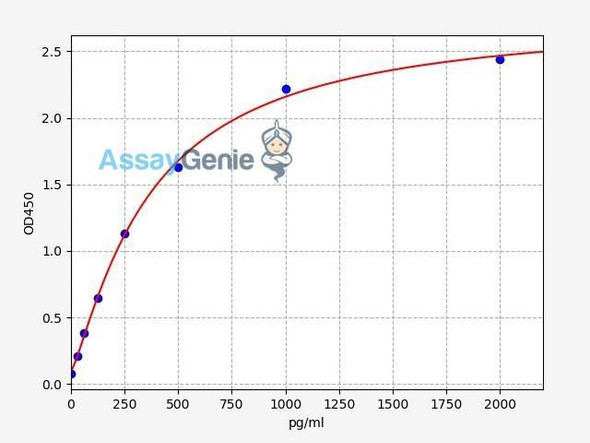
Human CRP ELISA Kit (HUFI00088)

Serotonin ELISA Kit (UNFI0018)


Human MICA ELISA Kit (HUFI00015)

Fatty Acid Oxidation (FAO) Assay Kit (BR00001)

Anti-Mouse IFNAR-1 In Vivo Antibody - Low Endotoxin (IVMB0202)

Anti-Mouse CD25 In Vivo Antibody - Low Endotoxin (IVMB0148)

Anti-Mouse NK1.1 In Vivo Antibody - Low Endotoxin (IVMB0100)
![Anti-Mouse PD-1 (CD279) [RMP1-14] In Vivo Antibody - Low Endotoxin](https://cdn11.bigcommerce.com/s-h68l9z2lnx/images/stencil/590x590/products/214372/569320/anti-mouse-pd-1-cd279-rmp1-14-in-vivo-antibody-low-endotoxin__18202.1743527968.jpg?c=2 "Anti-Mouse PD-1 (CD279) [RMP1-14] In Vivo Antibody - Low Endotoxin")
Anti-Mouse PD-1 Antibody [RMP1-14] In Vivo-Low Endotoxin (IVMB0037)


LSAMP Rabbit Polyclonal Antibody (CAB14248)
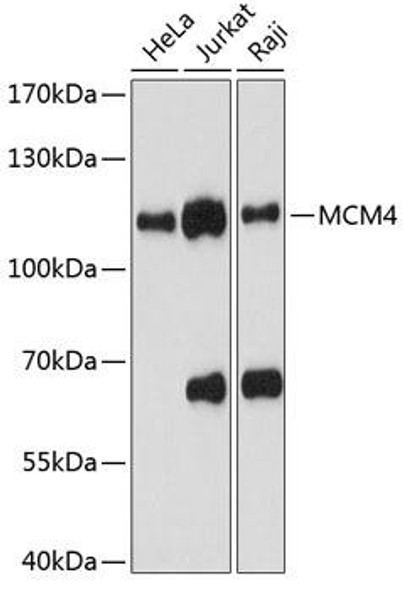
MCM4 Rabbit Polyclonal Antibody (CAB13513)

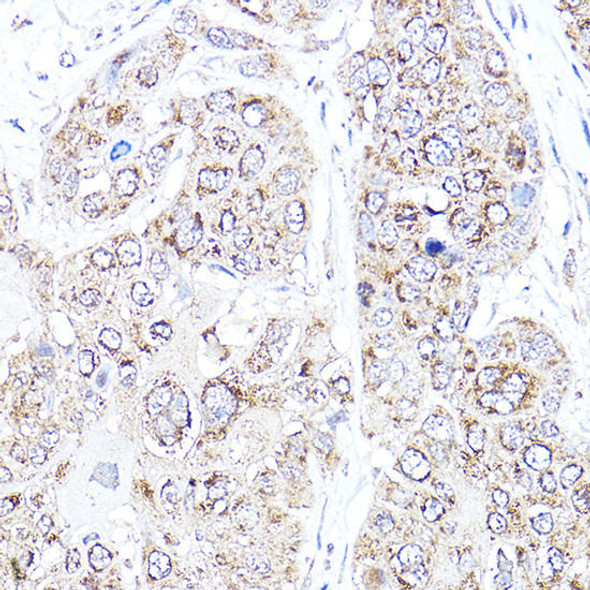
VEGF Rabbit Polyclonal Antibody (CAB12303)

MDA ELISA Kit (UNFI0048)

PGE2 ELISA Kit (UNFI0032)

