
-
Erk Signal Transduction Explained: Step-by-Step Process & Key Concepts(Post)
The ERK signal transduction pathway stands as a fundamental mechanism in cellular biology, orchestrating a wide array of physiological processes, including cell division, differentiation, and surv
Trastuzumab: Revolutionizing HER2-Positive Cancer Treatment & Research(Post)Quick Facts About TrastuzumabWhat is Trastuzumab?Trastuzumab is a monoclonal antibody used to treat HER2-positive breast and gastric cancers. It specifically targets the HER2 protein, re
Epigenetic modifiication & Histone methylation(Post)Agata Miezaniec PhD Candidate, University of Nottingham, UK Epigenetics and the link to DNA Methylation The term ‘Epigenet
Deciphering the Intricacies of TGF-Beta Signaling Pathway(Post)Transforming Growth Factor-Beta (TGF-β) signaling pathway plays a pivotal role in orchestrating various cellular processes, ranging from embryonic development to tissue homeostasis and immune resp
Antibody Seroconversion Response in COVID-19(Post)Seroconversion Implications in SARS-CoV-2 Diagnostic Testing Key Points: COVID-19, the pandemic
Avizakimab: Unveiling the Role of Anti-CD47 in Cancer Research(Post)Quick Facts About AvizakimabWhat is Avizakimab?Avizakimab is a monoclonal antibody designed to target the CD47 protein, a key checkpoint in immune regulation, particularly in cancer ther
Cytokine Release Syndrome and the IL-6 Axis(Page) Pembrolizumab: Unveiling Its Mechanism and Research Applications with Biosimilars(Post)Key Facts: PembrolizumabIs Pembrolizumab Safe?Pembrolizumab is widely recognized as safe for most patients, with side effects ranging from mild to severe. Commonly reported side effects
Bevacizumab: Mechanism, Clinical Applications, and Biosimilar Insights(Post)Quick Facts About BevacizumabWhat is Bevacizumab?Bevacizumab is a monoclonal antibody that targets vascular endothelial growth factor (VEGF), inhibiting angiogenesis (the formation of ne
Nadecnemab: Advancing Cancer Research Through Anti-CD47 Targeting(Post)Quick Facts About NadecnemabWhat is Nadecnemab?Nadecnemab is an investigational monoclonal antibody that targets CD47, a key immune checkpoint protein involved in cancer evasion.How Does
B Cells: Function, Types, Activation & Role in Immunity(Post)B Cell Types, Antigen Recognition & Activation A comprehensive guide to B cells! Introduction B cells, a vital component of the immune system, play
Granulocytes: Neutrophils, Eosinophils, Basophils & Mast Cells(Post)Immunology · Myeloid CellsGranulocytes: Neutrophils, Eosinophils and BasophilsGranulocytes are the leukocytes with cytoplasmic granules and lobed nuclei — neutrophils, eosinophils and basophils. They
Assay Genie Mission(Page)Assay Genie Mission | Making Scientists Smile
Crizanlizumab: A Comprehensive Overview of Its Role in Sickle Cell Disease and Ongoing Research(Post)Quick Facts About CrizanlizumabWhat is Crizanlizumab?Crizanlizumab is a monoclonal antibody used to treat sickle cell disease by targeting P-selectin, a protein involved in inflammation
Chronic myelogenous leukaemia (CML) – Review(Post)Chronic myelogenous leukaemia (CML) is a myeloproliferative haematopoietic malignancy, characterised by a karyotypic abnormality present in more than 95% of cases known as the Philadelph
Ramucirumab: Mechanism, Clinical Applications, and Biosimilars in Cancer Research(Post)Quick Facts About RamucirumabWhat is Ramucirumab?Ramucirumab is a monoclonal antibody that targets vascular endothelial growth factor receptor 2 (VEGFR-2), inhibiting angiogenesis, a pro
Leukemia Inhibitory Factor (LIF)(Post)Leukemia Inhibitory Factor (LIF) is a cytokine that plays a crucial role in various physiological processes within the human body. It has gained significant attention in the field of
What is CAR T-cell therapy?(Post)CAR T-cell therapy CAR (Chimeric Antigen Receptor) T-cell Therapy is a type of cancer treatment. CAR T-cells are made in the laboratory and they have an artificially created receptor on the
GITR: Boosting T Cell Activation for Enhanced Cancer Immunotherapy(Post)Glucocorticoid-induced tumor necrosis factor receptor (GITR) is an immune checkpoint molecule that plays a crucial role in regulating T cell activation and survival. In recent years, GITR
PD-1/PD-L1 Checkpoint Signalling: Pathway, Function and Assays(Post)PD-1 does not switch a T cell off; it moves the threshold. Engagement of PD-1 by PD-L1 recruits a single phosphatase into the immunological synapse, and that one recruitment event is enough to collap
Featured
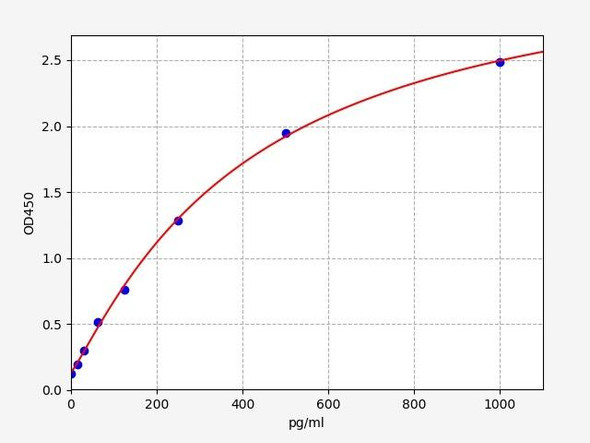

Human CAT (Catalase) ELISA Kit (HUFI07676)
- Product Code:
- HUFI07676
- Detection Method:
- Sandwich ELISA, Double Antibody
- Sensitivity:
- 9.375 pg/mL
- Range:
- 15.625-1000 pg/mL


Human MICA ELISA Kit (HUFI00015)
- Product Code:
- HUFI00015
- Detection Method:
- Sandwich ELISA, Double Antibody
- Sensitivity:
- 46.875 pg/mL
- Range:
- 78.125-5000 pg/mL

Fatty Acid Oxidation (FAO) Assay Kit (BR00001)
- Product Code:
- BR00001
- Instrument:
- Microplate Reader

Anti-Mouse IFNAR-1 In Vivo Antibody - Low Endotoxin (IVMB0202)
- Product Code:
- IVMB0202
- Antibody Type:
- Functional-Grade In Vivo Antibody
- Clone:
- MAR1-5A3
- Protein:
- IFNAR1
- Isotype:
- Mouse IgG1

Anti-Mouse CD25 In Vivo Antibody - Low Endotoxin (IVMB0148)
- Product Code:
- IVMB0148
- Antibody Type:
- Functional-Grade In Vivo Antibody
- Clone:
- PC61
- Protein:
- CD25
- Isotype:
- Rat IgG1 lambda

Anti-Mouse NK1.1 In Vivo Antibody - Low Endotoxin (IVMB0100)
- Product Code:
- IVMB0100
- Antibody Type:
- Functional-Grade In Vivo Antibody
- Clone:
- PK136
- Protein:
- NK1.1
- Isotype:
- Mouse IgG2a kappa

Anti-Mouse PD-1 Antibody [RMP1-14] In Vivo-Low Endotoxin (IVMB0037)
- Product Code:
- IVMB0037
- Antibody Type:
- Functional-Grade In Vivo Antibody
- Clone:
- RMP1-14
- Protein:
- PD-1
- Isotype:
- Rat IgG2a kappa


LSAMP Rabbit Polyclonal Antibody (CAB14248)
- Product Code:
- CAB14248
- Antibody Type:
- Polyclonal Antibody
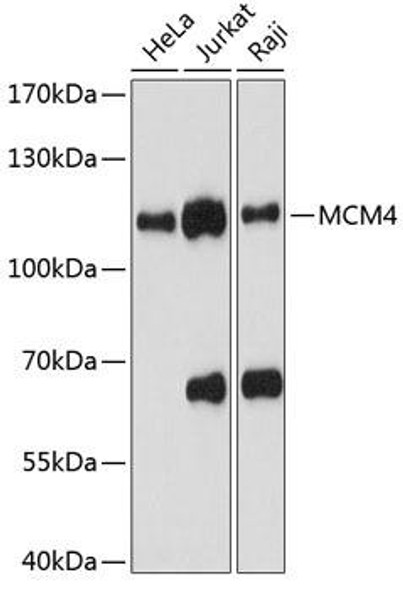
MCM4 Rabbit Polyclonal Antibody (CAB13513)
- Product Code:
- CAB13513
- Antibody Type:
- Polyclonal Antibody

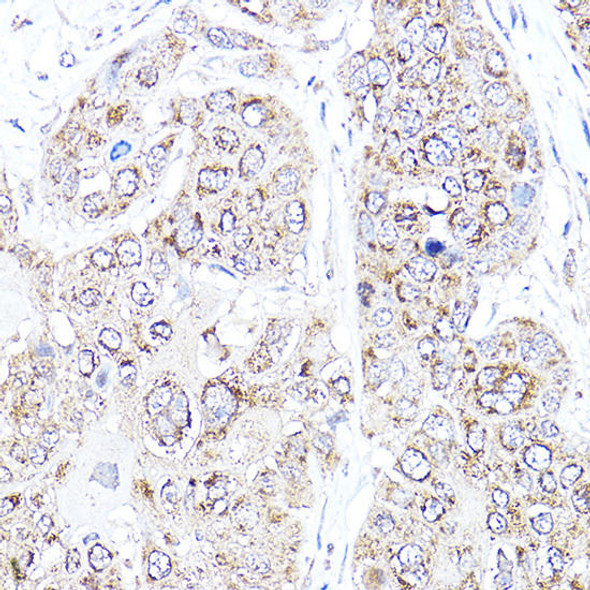
VEGF Rabbit Polyclonal Antibody (CAB12303)
- Product Code:
- CAB12303
- Antibody Type:
- Polyclonal Antibody

MDA ELISA Kit (UNFI0048)
- Product Code:
- UNFI0048
- Detection Method:
- Competitive ELISA, Coated with Antigen
- Sensitivity:
- 4.688 ng/mL
- Range:
- 7.813-500 ng/mL


Dopamine ELISA Kit (UNFI0013)
- Product Code:
- UNFI0013
- Detection Method:
- Competitive ELISA, Coated with Antigen
- Sensitivity:
- 0.938 ng/mL
- Range:
- 1.563-100 ng/mL

Serotonin ELISA Kit (UNFI0018)
- Product Code:
- UNFI0018
- Detection Method:
- Competitive ELISA, Coated with Antigen
- Sensitivity:
- 0.938 ng/mL
- Range:
- 1.563-100 ng/mL

PGE2 ELISA Kit (UNFI0032)
- Product Code:
- UNFI0032
- Detection Method:
- Competitive ELISA, Coated with Antigen
- Sensitivity:
- 18.75 pg/mL
- Range:
- 31.25-2000 pg/mL
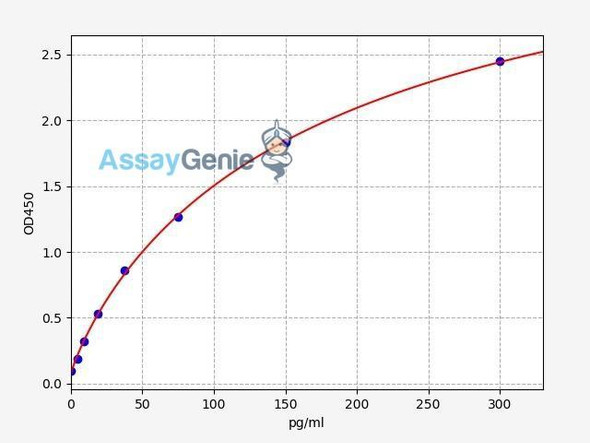
Human IL-6 ELISA Kit (HUFI00180)
- Product Code:
- HUFI00180
- Sensitivity:
- 2.813pg/ml
- Range:
- 4.688-300pg/ml
- ELISA Type:
- Sandwich
