
-
Dilución de anticuerpos: protocolo, cálculos y control de calidad(Post)
Dilución de anticuerpos: protocolo, cálculos y control de calidad Empiece con una serie de diluciones (por ejemplo, 1:10 seguida de una serie 1:2) y siempre incluya controles positivos y negativos pa
Targeting USP22 to Boost Anticancer Immunity(Post)Targeting USP22: A New Approach to Enhance Anticancer Immunity Introduction In the ever-evolving landscape of cancer research, the intricate relationship between immune e
Antikörpervalidierung: So weisen Sie Spezifität wirklich nach(Post)Antikörpervalidierung: So weisen Sie Spezifität wirklich nach Das eigentliche Ziel ist, Off-Target-Bindung und falsch-positive Signale zu minimieren, bevor sie ein ganzes Projekt verzerren. Dafür bra
Antigen Processing and Presentation: MHC-I, MHC-II, Cross-Priming(Post)Every T-cell response begins with a protein being taken apart. Before a CD8 or CD4 T cell can see anything, an antigen has to be degraded into peptides of the right length, delivered to the right com
TIM-3/Gal-9 Pathway in Antiparasitic Immunity(Post)Exploring the Role of TIM-3/Gal-9 in Antiparasitic ImmunityIntroductionThe immune system is a complex network of cells and molecules that work together to defend the body against pathogens, including
Test rápido combinado de antígeno A+B influenza y COVID – 19 (hisopo nasofaríngeo)(Page) Sofort anwendbar: Antigenretrieval für die IHC, Laborstartwert 120 °C(Post)Beginnen Sie standardmäßig mit HIER (Heat-Induced Epitope Retrieval); PIER reservieren Sie für spezifische Antigene oder Fälle, in denen HIER nachweislich versagt. Puffer-pH entscheidet dabei oft
Antikörperwahl: Vier Prioritäten für labornahe Durchflusszytometrie(Post)Wählen Sie Antikörper für Ihre Durchflusszytometrie anhand von vier Prioritäten: validiertes Zielantigen mit passendem Klon, ein Fluorochrom, das zu Expressionsstärke und Panel-Design passt, eine
Sweet Deception: How a New Antibody Therapy Unmasks Pancreatic Cancer(Post)Sweet Deception: How a New Antibody Therapy Unmasks Pancreatic Cancer Sweet Deception: How a New Antibody Therapy Unmasks Pancreatic Cancer Pancreatic canc
Estabilidad de anticuerpos: métodos, criterios y errores de interpretación(Post)Estabilidad de anticuerpos: métodos, criterios y errores de interpretación La estabilidad de anticuerpos se confirma cruzando dos evidencias, nunca una sola: integridad físico-química (temperatura de
Avoid Reagent Risk: Polyclonal vs Monoclonal Antibodies for Researchers(Post)For reproducible, isoform-specific detection, choose a monoclonal antibody; for robust detection across multiple epitopes or faster turnaround, choose a polyclonal antibody. The real tradeoff is epit
Anticuerpos validados con KO y ensayo ortogonal para investigadores(Post)Anticuerpos validados con KO y ensayo ortogonal para investigadores Un anticuerpo validado es aquel cuya especificidad y funcionalidad quedan demostradas para la aplicación experimental concreta en l
Anticorps pour IHC : la checklist de validation qui compte(Post)Anticorps pour IHC : la checklist de validation qui compte Pour l’IHC, n’utilisez jamais un anticorps sans preuve de performance sur un tissu comparable au vôtre, sans contrôles positifs et négatifs
Garantía en reactivos de laboratorio: qué exigir y cómo comprobarla(Post)Garantía en reactivos de laboratorio: qué exigir y cómo comprobarla Una garantía útil de reactivos ofrece certificado de análisis (COA) por lote, ficha de seguridad (SDS) y reemplazo o reembolso si e
CB6 Biosimilar: Targeting SARS-CoV-2 with Cost-Effective Monoclonal Antibody Therapy(Post)CB6, also known as Etesevimab, is a monoclonal antibody that targets the receptor-binding domain (RBD) of the SARS-CoV-2 spike protein. It neutralizes the virus by preventing it from bind
Evite 3–6 meses de retrabajo: selección de anticuerpos para investigadores(Post)Evite 3–6 meses de retrabajo: selección de anticuerpos para investigadores La selección de anticuerpos consiste en identificar y validar la molécula con la especificidad y el desempeño necesarios par
Treponema pallidum Antibodies: Comprehensive Guide to Diagnostic and Clinical Relevance(Post)Treponema pallidum, the causative agent of syphilis, triggers an immune response that produces antibodies detectable by laboratory tests. Diagnosing syphilis often involves detecting thes
Test rapido combinato per gli antigeni di COVID-19 e influenza di tipo A/B (tampone nasofaringeo)(Page) CD47: Overcoming Tumor Evasion Through Macrophage Activation(Post)One of the greatest challenges in cancer therapy is how tumors evade immune detection. Among the mechanisms cancer cells exploit, the CD47 pathway has emerged as a major player in helping
Targeting CD200: Unlocking Immune Suppression in Tumors(Post)Immune evasion is one of the hallmarks of cancer, where tumor cells employ various strategies to suppress immune responses and prevent destruction by the body’s defense systems. CD200, a
LILT: A Novel Immune Checkpoint for Cancer Therapy(Post)Recent advances in immunotherapy have highlighted the importance of targeting immune checkpoints to enhance the immune system’s ability to combat cancer. A new potential target in this gr
SIRPα Inhibition: Clearing Tumors by Promoting Phagocytosis(Post)Cancer cells are adept at avoiding destruction by the immune system, often exploiting specific pathways to escape detection and elimination. One of these key mechanisms involves the SIRPα
ICOS: Stimulating the Immune System for Superior Cancer Therapy(Post)Immunotherapy has transformed the landscape of cancer treatment by leveraging the body’s immune system to target and destroy cancer cells. A key player in this process is Inducible T-cell
Leukocyte Adhesion Cascade(Page) Regulatory T-cell (Treg) suppression & the IL-2 axis(Page) Bcell germinal centre pathway(Page) B7-H4: A New Frontier in Immune Checkpoint Inhibition(Post)The recent advances in cancer immunotherapy have brought new opportunities to harness the body’s immune system against tumors. Among these advancements is the targeting of immune checkpoi
NF-κB Signalling Pathway(Page) B-Cell Depletion and the BAFF-APRIL Axis(Page) Innate Lymphoid Cells: ILC1, ILC2 & ILC3(Page) Myeloid reprogramming in the tumour microenvironment(Page) Immunohistochemistry (IHC) Buffers & Recipes(Page) Allorecognition, Transplant Rejection & GvHD(Page) Mast Cells IgE and Type 2 Immunity(Page) T-Cell Co-Stimulation & Agonist Checkpoint Pathway(Page) One Ligand, Two Receptors, Opposite Jobs: TNFR1 vs TNFR2(Post)Blocking TNF cures rheumatoid arthritis in some patients and triggers demyelination in others. That is not a dosing problem, and it is not a patient-selection problem. It is the direct consequence of
Th17 and IL-23: Why Blocking IL-17 Sometimes Backfires(Post)Two drugs aimed at the same axis can give opposite results in the same disease. Blocking IL-23p19 is highly effective in psoriasis and works in Crohn’s disease. Blocking IL-17A directly is highly eff
B-cell activation and the germinal centre reaction(Page) Treg Suppression and the IL-2 Axis: Pathway, Function and Assays(Post)Regulatory T cells cannot make the cytokine they depend on. FOXP3 represses the Il2 locus, so every Treg lives on IL-2 secreted by the conventional T cells it exists to restrain. That asymmetry expla
CD4+ T-helper cell differentiation(Page) TAM and MDSC Signalling: Myeloid Reprogramming Pathway Guide(Post)In most solid tumours the largest immune population is not a T cell. It is a myeloid cell that has been recruited, expanded and re-educated by the tumour itself. Tumour-associated macrophages and mye
TREM2: Exploring Its Role in Tumor-Associated Macrophages and Cancer Immunotherapy(Post)Introduction to TREM2 and Tumor-Associated Macrophages in CancerTREM2 (triggering receptor expressed on myeloid cells 2) is an immunoregulatory receptor primarily expressed on macrophages
Neutrophil Activation & NETosis(Page) Macrophage Phagocytosis & the CD47–SIRPα Checkpoint(Page) CAR-T cell signalling(Page) Mucosal Homing and Tissue-Resident Memory(Page) CD73: Combating Tumor Immunosuppression by Targeting Adenosine(Post)Introduction to CD73 and Tumor Immunosuppression CD73, also known as ecto-5'-nucleotidase, is an enzyme found on the surface of various cells, including tumor cells and immune cells. It p
CD28: Amplifying T Cell Responses for Better Tumor Clearance(Post)The CD28 molecule plays a crucial role in amplifying T cell activation, which is critical for mounting effective immune responses against tumors. By engaging with co-stimulatory molecules
FoxP3: Understanding Regulatory T Cell Control in Tumor Immunity(Post)Introduction to FoxP3 and Regulatory T Cells in CancerFoxP3 (forkhead box P3) is a transcription factor critical for the development and function of regulatory T cells (Tregs), a speciali
Gut Homing and Tissue-Resident Memory: How T Cells Stay Put(Post)A T cell does not choose which tissue to defend. The tissue chose it, during priming. A naive T cell has no tropism at all; it acquires one from the dendritic cell that activates it, and the instruct
Nfkb signalling pathway · HTM(Page) PVR: Balancing Immune Activation and Suppression in Cancer(Post)PVR (Poliovirus receptor), also known as CD155, is a molecule that plays a dual role in regulating the immune response within the tumor microenvironment. While initially discovered as a r
CD27 Activation: Strengthening the Immune Army Against Cancer(Post)Harnessing the immune system to fight cancer has become a pivotal strategy in modern oncology. A key component in this fight is CD27, a receptor that plays a crucial role in T-cell activa
The Interferon Axis: Type I vs Type II Signalling Explained(Post)Both interferon families run through STAT1, and that single shared subunit is why they are so often conflated — and why conflating them is a mistake. Type I interferon assembles STAT1 into a three-pa
BTLA: A Key Player in Immune Regulation and Cancer Therapy(Post)Introduction to BTLA in Immune Regulation B and T lymphocyte attenuator (BTLA) is an immune checkpoint molecule that plays a critical role in regulating immune responses by suppressing T
NK cell activation & innate cytotoxicity(Page) IgE and Mast Cells: The Cell Is Armed in Advance(Post)The mast cell is loaded long before the allergen arrives. IgE bound to FcεRIα is not waiting to be recruited the way an antibody waits for antigen in a serum assay — it is already installed on the ce
TIGIT, DNAM-1 and the CD155 Axis: Pathway, Function and Assays(Post)CD155 is read by four different receptors, and only one of them turns the killing programme on. The nectin and nectin-like ligands induced on stressed and transformed cells are simultaneously an acti
Tumour Angiogenesis and the VEGF Axis(Page) Two Asthma Drugs, Opposite Eosinophil Counts, Both Working(Post)Two asthma biologics have opposite effects on the blood eosinophil count, and both of them work. Mepolizumab empties the eosinophil compartment; dupilumab can transiently raise it. If that seems cont
Cgas sting pathway deep · HT(Page) Jak stat signalling map dee(Page) The Adenosine Axis: How CD39 and CD73 Switch Immunity Off(Post)The most abundant immunosuppressive molecule in a solid tumour is not a protein. It is adenosine — a metabolite, produced from ATP in two enzymatic steps, at concentrations orders of magnitude above
Adenosine Axis — CD39, CD73 and A2A Receptors(Page) TNFRSF9: Enhancing Immune Cell Activity Against Tumors(Post)Introduction to TNFRSF9 and Its Role in Immune ActivationTNFRSF9, also known as 4-1BB or CD137, is a co-stimulatory receptor expressed on the surface of T cells, natural killer (NK) cells
Cytokine neutralisation network(Page) CD39: A Novel Target to Overcome Immunosuppression in Cancer(Post)Introduction to CD39 and Cancer Immunosuppression CD39 is an ectonucleotidase enzyme that plays a crucial role in generating adenosine, a powerful immunosuppressive molecule within the tu
Cobolimab: Unveiling TIM-3’s Role in Cancer Immunotherapy(Post)Quick Facts About CobolimabWhat is Cobolimab?Cobolimab is a monoclonal antibody that targets TIM-3, a checkpoint protein involved in immune regulation, especially in cancer and autoimmun
Co-Inhibitory Checkpoints Beyond PD-1: CTLA-4, LAG-3 and TIM-3(Post)PD-1 gets the attention, but it is one brake among many — and the others do not work the same way. The co-inhibitory receptors are routinely drawn as interchangeable stop signs on a T cell. They are
Car t signalling pathway · H(Page) Top 10 Therapeutics(Page) TIGIT/DNAM-1/CD155 (PVR) Checkpoint Axis(Page) Th17 Cells and the IL-23 Axis(Page) CD155: Breaking Immune Suppression in Tumor Environments(Post)Introduction to CD155 in Cancer ImmunotherapyCD155, also known as Poliovirus Receptor (PVR), is a transmembrane protein that plays a pivotal role in tumor immune evasion. While CD155 is n
Fc Receptors Explained: ADCC, ADCP, CDC and the CD32B Brake(Post)An antibody's variable domains decide what it binds. Its Fc decides what happens next — and that is not a detail of formulation, it is half the mechanism. Which Fcγ receptor the constant region engag
4-1BB: Energizing Immune Cells to Overcome Tumor Resistance(Post)Immunotherapy has become a central pillar in the fight against cancer, with a focus on enhancing the body’s natural defenses. Among the molecules at the forefront of immunotherapeutic res
T-Cell Co-Stimulation and Agonist Checkpoint Signalling Explained(Post)Signal 1 tells a T cell what it is looking at; signal 2 tells it whether to care. The same peptide–MHC engagement that launches a productive effector response can just as easily install an anergy pro
T-cell receptor (TCR) signalling(Page) Cytokine JAK/STAT signalling(Page) cGAS-STING cytosolic DNA sensing(Page) Varlilumab: Unlocking CD27’s Potential in Cancer Research(Post)What You Need to Know About VarlilumabWhat is Varlilumab?Varlilumab is a monoclonal antibody targeting CD27, a receptor on T-cells that plays a critical role in immune modulation.What is
Ivuxolimab: Redefining Cancer Immunotherapy and Research(Post)Quick Facts About IvuxolimabWhat is ivuxolimab?Ivuxolimab is a monoclonal antibody targeting CD47, a "don't eat me" signal that cancer cells exploit to evade immune destruction.How does
CD80: Amplifying Immune Activation Through Co-Stimulatory Pathways(Post)Introduction to CD80 and Its Role in Immune Activation CD80 is a critical immune checkpoint molecule that plays an essential role in T cell activation through co-stimulatory pathways. Exp
Featured
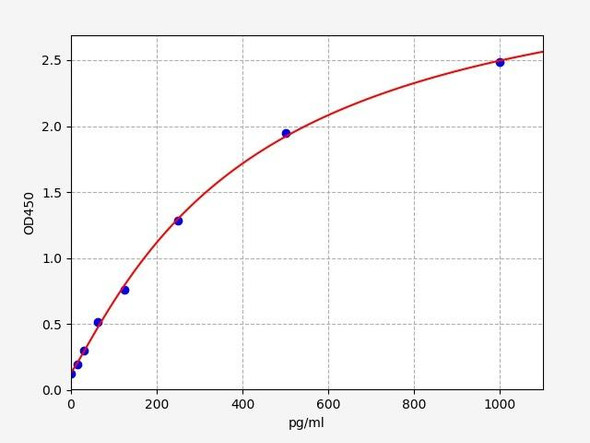

Human CAT (Catalase) ELISA Kit (HUFI07676)
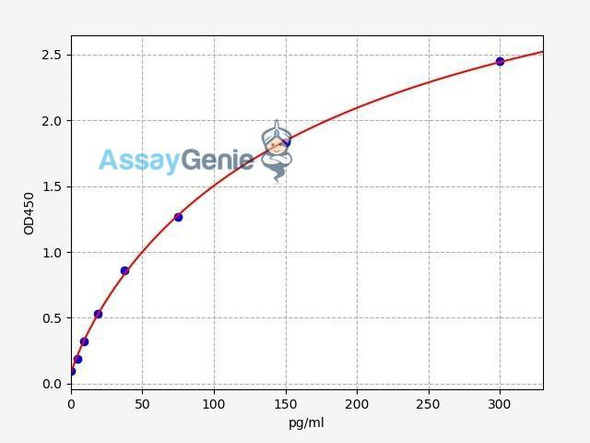
Human IL-6 ELISA Kit (HUFI00180)
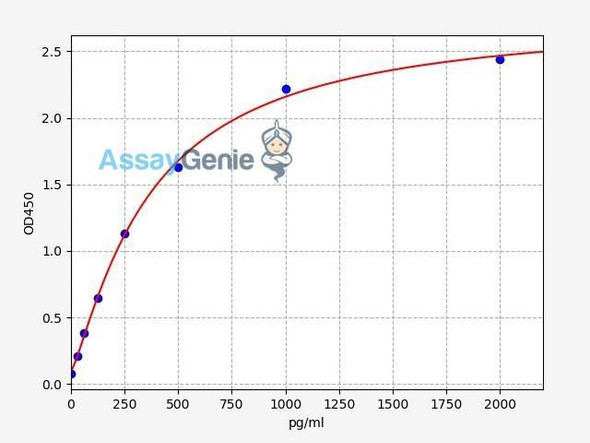
Human CRP ELISA Kit (HUFI00088)

Serotonin ELISA Kit (UNFI0018)


Human MICA ELISA Kit (HUFI00015)

Fatty Acid Oxidation (FAO) Assay Kit (BR00001)

Anti-Mouse IFNAR-1 In Vivo Antibody - Low Endotoxin (IVMB0202)

Anti-Mouse CD25 In Vivo Antibody - Low Endotoxin (IVMB0148)

Anti-Mouse NK1.1 In Vivo Antibody - Low Endotoxin (IVMB0100)
![Anti-Mouse PD-1 (CD279) [RMP1-14] In Vivo Antibody - Low Endotoxin](https://cdn11.bigcommerce.com/s-h68l9z2lnx/images/stencil/590x590/products/214372/569320/anti-mouse-pd-1-cd279-rmp1-14-in-vivo-antibody-low-endotoxin__18202.1743527968.jpg?c=2 "Anti-Mouse PD-1 (CD279) [RMP1-14] In Vivo Antibody - Low Endotoxin")
Anti-Mouse PD-1 Antibody [RMP1-14] In Vivo-Low Endotoxin (IVMB0037)


LSAMP Rabbit Polyclonal Antibody (CAB14248)
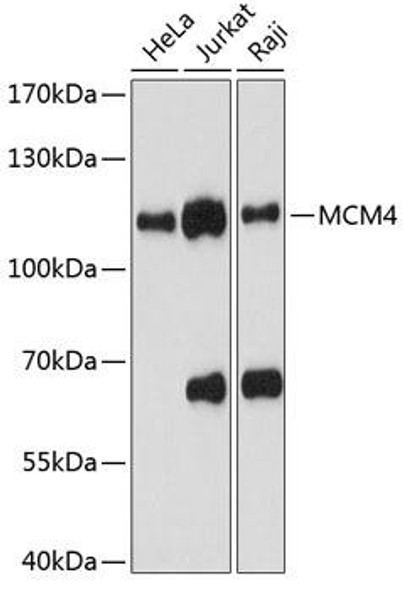
MCM4 Rabbit Polyclonal Antibody (CAB13513)

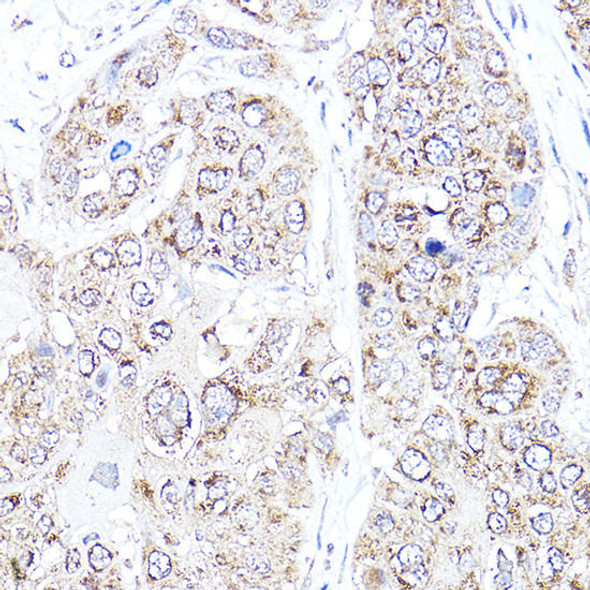
VEGF Rabbit Polyclonal Antibody (CAB12303)

MDA ELISA Kit (UNFI0048)

PGE2 ELISA Kit (UNFI0032)

