
-
Decoding Parkinson's Disease: Insights into a Complex Neurological Disorder(Post)
Parkinson's disease (PD) is a progressive neurological disorder that primarily affects the motor system, leading to a wide array of symptoms ranging from tremors and stiffness to bradykinesia (slo
Carlumab: Exploring Its Mechanism, Clinical Potential, and Research Biosimilars(Post)Quick Facts About CarlumabWhat is Carlumab?Carlumab is a monoclonal antibody developed to target CC-chemokine ligand 2 (CCL2), a key mediator in inflammatory diseases and cancer progress
Lactobacilli - Structure, Metabolism, and Testing(Post)Microbiology · ProbioticsLactobacilli: Structure, Metabolism, Identification and Probiotic UseLactobacilli are lactic acid bacteria found in fermented foods and across the human gastrointestinal, oral
Xeroderma pigmentosum: Causes, Inheritance, Treatment and Diagnosis(Post)What is Xeroderma Pigmentosum? Xeroderma pigmentosum (XP) also known De Sanctis-Cacchione syndrome is a rare genetic disorder that affects the skin, eyes and central nervous system. It is ca
Emapalumab: Unlocking the Potential of Targeting IFN-γ in HLH Treatment(Post)Quick Facts About EmapalumabWhat is Emapalumab?Emapalumab is a fully human monoclonal antibody that neutralizes interferon-gamma (IFN-γ). It is the first FDA-approved therapy for primary
Cytokine neutralisation network(Page) Advantages of Small Molecule Inhibitors in Therapeutic Interventions(Post)Small molecule inhibitors represent a significant advancement in the field of therapeutic interventions, offering a versatile approach to treating a myriad of diseases, including cancer, viral inf
The Intestinal Barrier: Junctions, Mucus and Permeability(Page) Labeling Non-Antibody Proteins and Small Molecules: An Advanced Guide(Post)In the evolving landscape of biochemical research and diagnostic assay development, the ability to label non-antibody proteins and small molecules with high precision has become indispensable. Thi
ELISA Troubleshooting: When Standards Read Below the Blank(Post)Quick answer On the GDF-6 (Growth Differentiation Factor 6) ELISA Kit, a researcher saw an elevated blank (OD ≈ 0.41) with the two lowest standards reading at or below it, and no signa
Alzheimer's Disease: A Comprehensive Insight(Post)Alzheimer's disease stands as a formidable challenge in the realm of neurological disorders, characterized by its progressive nature and profound impact on cognitive functions. This article delve
A Guide To Tau Proteins & Tauopathies(Post)Neuroscience · BiomarkersA Guide to Tau Proteins & TauopathiesTau keeps the neuronal cytoskeleton standing up. When its phosphorylation goes wrong, the same protein becomes the aggregate that defines
Oxidative Stress Assays(Page)Oxidative Stress Assay Kits | ROS, Antioxidant & Glutathione | Assay Genie
Gut Inflammation and Inflammatory Diseases (Post)What is Gut Inflammation? The gut, or gastrointestinal (GI) tract is a long tube that starts from the mouth and extends to the anus. It includes various organs such
Platelets : The Unassuming Heroes of Blood Circulation(Post)Haematology · HaemostasisPlatelets: Formation, Structure, Activation and Clinical SignificancePlatelets are anucleate fragments shed from megakaryocytes, and they carry out primary haemostasis — adher
ELISA vs Western Blot: Which Technique Should You Choose?(Post)Written by Seán Mac Fhearraigh, PhD • Updated: 19 May 2026 • ~9 min read Quick Answer ELISA and Western Blot are both antibody-based protein detection methods. ELISA is faster, higher through
Antibiotic Resistance: The Growing Threat to Human Health(Post)Antibiotic resistance is a growing problem in the world today. Antibiotics are becoming less and less effective as bacteria evolve to resist them. This poses a serious threat to human healt
Western Blot Training: A Comprehensive Guide(Post)Western blotting, a cornerstone technique in molecular biology, biochemistry, and immunogenetics, is pivotal for detecting specific proteins in a sample. Its applications span various scientific f
TGF-β/SMAD signalling(Page) Horseshoe Crab Blood and Endotoxin Testing: A Comprehensive Guide(Post)Horseshoe crabs, often referred to as "living fossils," are invaluable to modern medicine due to their unique blue blood. This blood is the source of Limulus Amebocyte Lysate (LAL), a sub
Featured
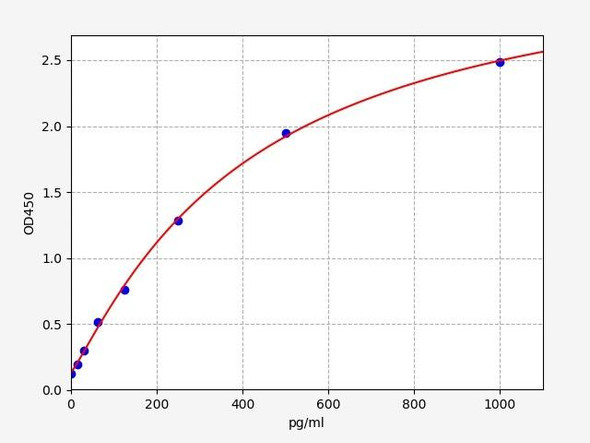

Human CAT (Catalase) ELISA Kit (HUFI07676)
- Product Code:
- HUFI07676
- Detection Method:
- Sandwich ELISA, Double Antibody
- Sensitivity:
- 9.375 pg/mL
- Range:
- 15.625-1000 pg/mL


Human MICA ELISA Kit (HUFI00015)
- Product Code:
- HUFI00015
- Detection Method:
- Sandwich ELISA, Double Antibody
- Sensitivity:
- 46.875 pg/mL
- Range:
- 78.125-5000 pg/mL

Fatty Acid Oxidation (FAO) Assay Kit (BR00001)
- Product Code:
- BR00001
- Instrument:
- Microplate Reader

Anti-Mouse IFNAR-1 In Vivo Antibody - Low Endotoxin (IVMB0202)
- Product Code:
- IVMB0202
- Antibody Type:
- Functional-Grade In Vivo Antibody
- Clone:
- MAR1-5A3
- Protein:
- IFNAR1
- Isotype:
- Mouse IgG1

Anti-Mouse CD25 In Vivo Antibody - Low Endotoxin (IVMB0148)
- Product Code:
- IVMB0148
- Antibody Type:
- Functional-Grade In Vivo Antibody
- Clone:
- PC61
- Protein:
- CD25
- Isotype:
- Rat IgG1 lambda

Anti-Mouse NK1.1 In Vivo Antibody - Low Endotoxin (IVMB0100)
- Product Code:
- IVMB0100
- Antibody Type:
- Functional-Grade In Vivo Antibody
- Clone:
- PK136
- Protein:
- NK1.1
- Isotype:
- Mouse IgG2a kappa

Anti-Mouse PD-1 Antibody [RMP1-14] In Vivo-Low Endotoxin (IVMB0037)
- Product Code:
- IVMB0037
- Antibody Type:
- Functional-Grade In Vivo Antibody
- Clone:
- RMP1-14
- Protein:
- PD-1
- Isotype:
- Rat IgG2a kappa


LSAMP Rabbit Polyclonal Antibody (CAB14248)
- Product Code:
- CAB14248
- Antibody Type:
- Polyclonal Antibody
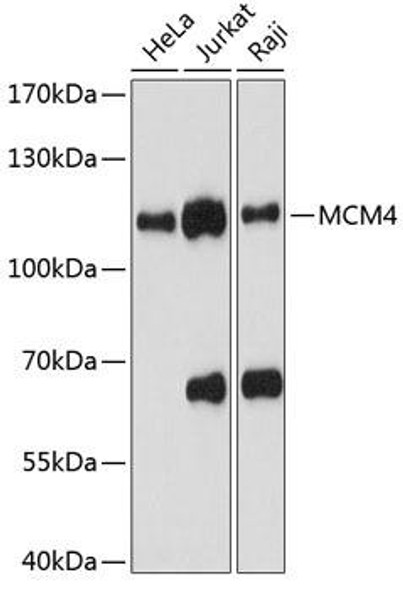
MCM4 Rabbit Polyclonal Antibody (CAB13513)
- Product Code:
- CAB13513
- Antibody Type:
- Polyclonal Antibody

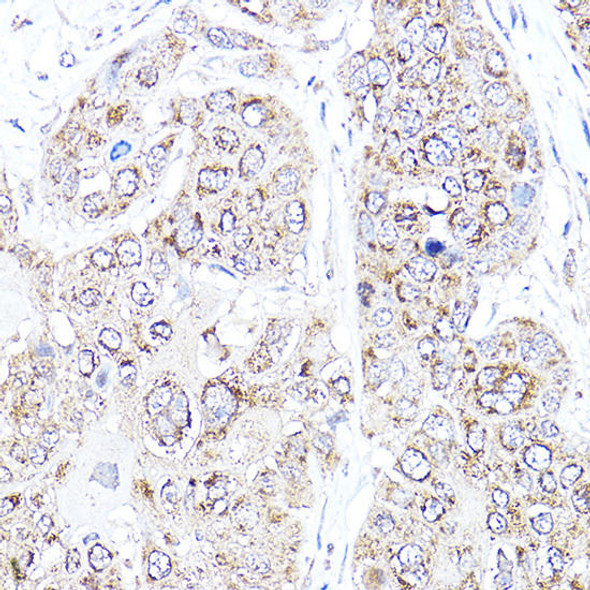
VEGF Rabbit Polyclonal Antibody (CAB12303)
- Product Code:
- CAB12303
- Antibody Type:
- Polyclonal Antibody

MDA ELISA Kit (UNFI0048)
- Product Code:
- UNFI0048
- Detection Method:
- Competitive ELISA, Coated with Antigen
- Sensitivity:
- 4.688 ng/mL
- Range:
- 7.813-500 ng/mL


Dopamine ELISA Kit (UNFI0013)
- Product Code:
- UNFI0013
- Detection Method:
- Competitive ELISA, Coated with Antigen
- Sensitivity:
- 0.938 ng/mL
- Range:
- 1.563-100 ng/mL

Serotonin ELISA Kit (UNFI0018)
- Product Code:
- UNFI0018
- Detection Method:
- Competitive ELISA, Coated with Antigen
- Sensitivity:
- 0.938 ng/mL
- Range:
- 1.563-100 ng/mL

PGE2 ELISA Kit (UNFI0032)
- Product Code:
- UNFI0032
- Detection Method:
- Competitive ELISA, Coated with Antigen
- Sensitivity:
- 18.75 pg/mL
- Range:
- 31.25-2000 pg/mL
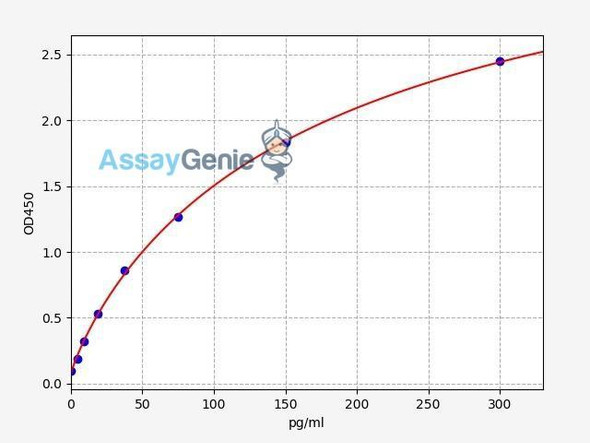
Human IL-6 ELISA Kit (HUFI00180)
- Product Code:
- HUFI00180
- Sensitivity:
- 2.813pg/ml
- Range:
- 4.688-300pg/ml
- ELISA Type:
- Sandwich
