
-
Galectin Therapeutics(Post)
Idiopathic Pulmonary Fibrosis Idiopathic Pulmonary Fibrosis (IPF) is a chronic, irreversible and ultimately fatal disease characterized by prog
ST2 and IL33(Post)ST2, a member of the IL-1R Subfamily ST2 is a member of the IL-1R subfamily and was identified in 1989 [1]. The ST2 gene is located on chromoso
Dendritic Cells: Tracing the Developmental Lineage Pathway(Post)Dendritic cells (DCs) are pivotal in the immune system, orchestrating innate and adaptive immune responses. Understanding their developmental lineage pathway is crucial in immunology, particularly
CD25 and Tregs: Understanding the Role of Regulatory T Cells in Tumor Immunity(Post)Regulatory T cells (Tregs) play a crucial role in maintaining immune balance by suppressing excessive immune responses that could lead to tissue damage. However, in the context of cancer,
CXC Chemokine Family(Post)In the realm of immunology, CXCL chemokines emerge as fascinating conductors. These small proteins, marked by their CXC motif, wield considerable influence over our immune responses and a ra
IL-1 Family Signaling: Unraveling the Molecular Orchestra of Immune Regulation(Post)The Interleukin-1 (IL-1) family represents a crucial group of signaling molecules that play a pivotal role in regulating the immune system and inflammatory responses. Comprising 11 members, inc
Ionotropic Glutamate Receptors: Gateways to Neural Communication(Post)Ionotropic glutamate receptors (iGluRs) are pivotal in the fast excitatory synaptic transmission in the mammalian central nervous system (CNS). These receptors are not only crucial for normal brai
Multiple Sclerosis and Stem Cells(Post)By Sonika Singh PhD candidate, University of Nottingham A Devastating Disease Multiple Sclerosis (MS) is a chronic and inflammatory disease based on
Cleaved Caspase-3 and Apoptosis(Post)Cell Death · BiomarkersCleaved Caspase-3: Activation, Function and Detection in ApoptosisCaspase-3 sits at the point where apoptotic signalling becomes irreversible. It is made as an inactive proenzym
Epigenetic modifiication & Histone methylation(Post)Agata Miezaniec PhD Candidate, University of Nottingham, UK Epigenetics and the link to DNA Methylation The term ‘Epigenet
Protease vs Peptidase: Understanding Enzymatic Digestion(Post)Enzymology · Protein DegradationProtease vs Peptidase: Understanding the DifferenceProteases and peptidases are the enzymes that cleave peptide bonds — breaking proteins down into peptides and peptide
Phosphatases and PTP1B – Mini review(Post)IntroductionThe human kinome is estimated to contain 518 genes, in comparison to the estimated 180 genes that comprise the phosphatome (Arena et al., 2005). These kinase genes represent a signif
Histamine Receptors: Gatekeepers of Immunological and Neurological Responses(Post)Immunology · NeuroscienceHistamine Receptors: H1, H2, H3 & H4 ExplainedHistamine receptors are the G protein-coupled receptors through which histamine controls allergy, gastric acid secretion, neurotr
Mouse Kynurenine ELISA Kit (MOFI01315) in Brain and Muscle(Post)SummaryAssay Genie's Mouse KYN (Kynurenine) ELISA Kit (MOFI01315) is a competitive ELISA that has been used to measure kynurenine in two published mouse studies. Zhang et al. (2026) measured kynure
Immune Regulation in COVID-19 (Post)Immune Regulation in COVID-19: Immunomodulatory Mechanisms against SARS-CoV-2 Infection What is COVID-19?
Inflammasomes: NLRP3, Caspase-1 and IL-1(Page) The Double-Edged Sword: How Neutrophil Traps Can Both Help and Hinder Cancer's Spread(Post)The Double-Edged Sword: How Neutrophil Traps Can Both Help and Hinder Cancer's Spread In the intricate battlefield of the human body, the immune system’s foot soldiers, neutrophils, have long been re
Carbon Dioxide sensing in Immune Cells(Post)BRIEF HISTORY OF THE “GREEN” EVOLUTION OF OXYGEN AND CARBON DIOXIDE WITHIN OUR ATMOSPHERE Million years ago carbon dioxide (CO2) levels used to be conside
p53 Protein: Mutations, Cancer Signalling & Tumour Suppression(Post)Cancer Biology · Cell Signallingp53: Structure, Signalling, Regulation and Mutation in Cancerp53 is the most frequently mutated gene in human cancer, and the reason is structural: a single tetrameric
The IL-36 Subfamily | Expression, Function & Regulation(Post)By Charlotte O'Donnell PhD The genes of the IL-36 family members are located in a cluster on chromosome 2 [1]. All three activating ligands, IL-36α, IL-36β a
Featured
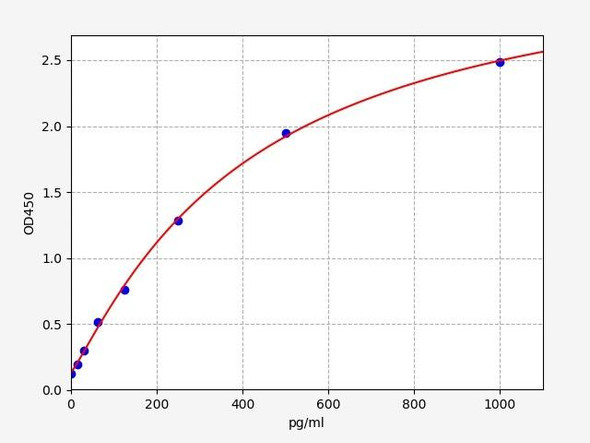

Human CAT (Catalase) ELISA Kit (HUFI07676)
- Product Code:
- HUFI07676
- Detection Method:
- Sandwich ELISA, Double Antibody
- Sensitivity:
- 9.375 pg/mL
- Range:
- 15.625-1000 pg/mL


Human MICA ELISA Kit (HUFI00015)
- Product Code:
- HUFI00015
- Detection Method:
- Sandwich ELISA, Double Antibody
- Sensitivity:
- 46.875 pg/mL
- Range:
- 78.125-5000 pg/mL

Fatty Acid Oxidation (FAO) Assay Kit (BR00001)
- Product Code:
- BR00001
- Instrument:
- Microplate Reader

Anti-Mouse IFNAR-1 In Vivo Antibody - Low Endotoxin (IVMB0202)
- Product Code:
- IVMB0202
- Antibody Type:
- Functional-Grade In Vivo Antibody
- Clone:
- MAR1-5A3
- Protein:
- IFNAR1
- Isotype:
- Mouse IgG1

Anti-Mouse CD25 In Vivo Antibody - Low Endotoxin (IVMB0148)
- Product Code:
- IVMB0148
- Antibody Type:
- Functional-Grade In Vivo Antibody
- Clone:
- PC61
- Protein:
- CD25
- Isotype:
- Rat IgG1 lambda

Anti-Mouse NK1.1 In Vivo Antibody - Low Endotoxin (IVMB0100)
- Product Code:
- IVMB0100
- Antibody Type:
- Functional-Grade In Vivo Antibody
- Clone:
- PK136
- Protein:
- NK1.1
- Isotype:
- Mouse IgG2a kappa

Anti-Mouse PD-1 Antibody [RMP1-14] In Vivo-Low Endotoxin (IVMB0037)
- Product Code:
- IVMB0037
- Antibody Type:
- Functional-Grade In Vivo Antibody
- Clone:
- RMP1-14
- Protein:
- PD-1
- Isotype:
- Rat IgG2a kappa


LSAMP Rabbit Polyclonal Antibody (CAB14248)
- Product Code:
- CAB14248
- Antibody Type:
- Polyclonal Antibody
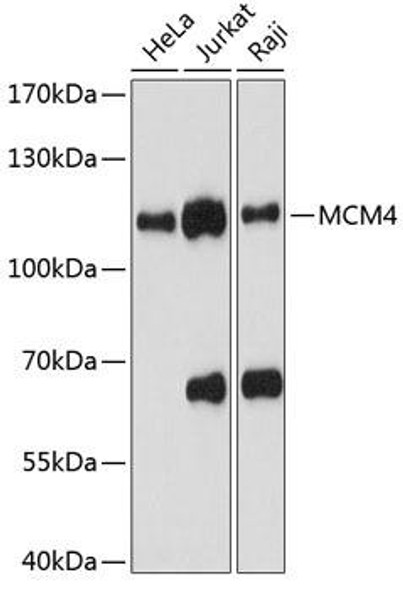
MCM4 Rabbit Polyclonal Antibody (CAB13513)
- Product Code:
- CAB13513
- Antibody Type:
- Polyclonal Antibody

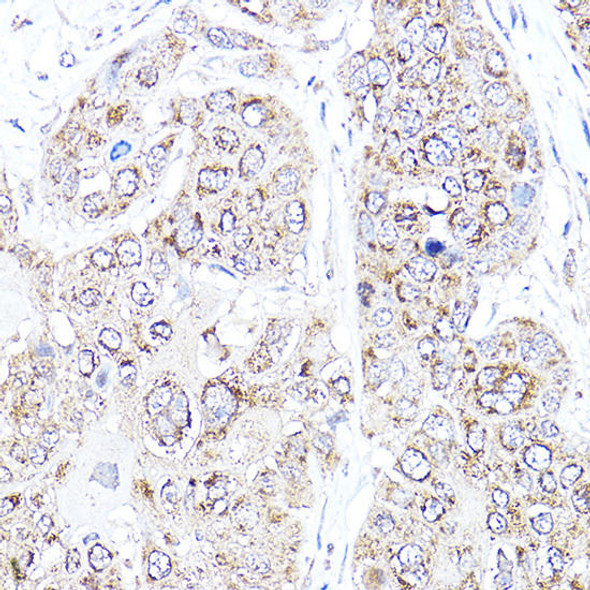
VEGF Rabbit Polyclonal Antibody (CAB12303)
- Product Code:
- CAB12303
- Antibody Type:
- Polyclonal Antibody

MDA ELISA Kit (UNFI0048)
- Product Code:
- UNFI0048
- Detection Method:
- Competitive ELISA, Coated with Antigen
- Sensitivity:
- 4.688 ng/mL
- Range:
- 7.813-500 ng/mL


Dopamine ELISA Kit (UNFI0013)
- Product Code:
- UNFI0013
- Detection Method:
- Competitive ELISA, Coated with Antigen
- Sensitivity:
- 0.938 ng/mL
- Range:
- 1.563-100 ng/mL

Serotonin ELISA Kit (UNFI0018)
- Product Code:
- UNFI0018
- Detection Method:
- Competitive ELISA, Coated with Antigen
- Sensitivity:
- 0.938 ng/mL
- Range:
- 1.563-100 ng/mL

PGE2 ELISA Kit (UNFI0032)
- Product Code:
- UNFI0032
- Detection Method:
- Competitive ELISA, Coated with Antigen
- Sensitivity:
- 18.75 pg/mL
- Range:
- 31.25-2000 pg/mL
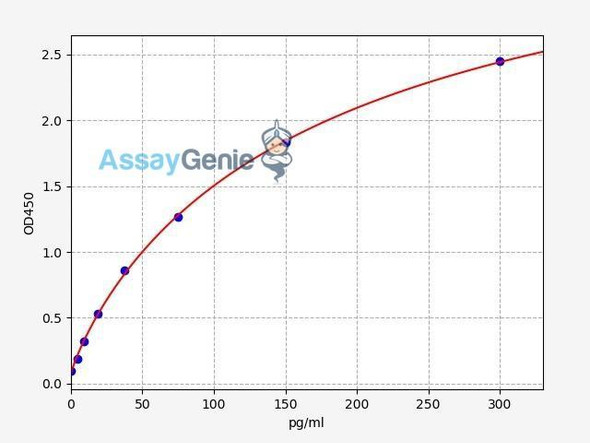
Human IL-6 ELISA Kit (HUFI00180)
- Product Code:
- HUFI00180
- Sensitivity:
- 2.813pg/ml
- Range:
- 4.688-300pg/ml
- ELISA Type:
- Sandwich
