
-
Nfkb signalling pathway · HTM(Page)
NLRP3 Inflammasome and Pyroptosis: Pathway, Function and Assays(Post)
The inflammasome is one of the few innate pathways that destroys the cell it activates. A macrophage that assembles NLRP3 has committed to a decision it cannot reverse: a priming signal through TLR4
NF-κB Signalling Pathway(Page) NF-κB Signalling Pathway: Canonical and Non-Canonical Routes(Post)NF-κB is not one pathway, it is two clocks running at different speeds. The canonical arm fires within minutes of TNF-α, IL-1β or LPS reaching the surface, peaks, and is switched off by feedback it e
The Leukocyte Adhesion Cascade: Integrin Signalling and Assays(Post)Every leukocyte that reaches an inflamed tissue has solved the same mechanical problem. It must stop, in under a second, against a shear flow that would otherwise sweep it past the site of infection.
T-Cell Co-Stimulation & Agonist Checkpoint Pathway(Page) Leukocyte Adhesion Cascade(Page) Cytokine Neutralisation In Vivo: Targets, Signals and Antibodies(Post)Almost any inflammatory phenotype in a mouse can be assigned to a cytokine by taking that cytokine away. Neutralisation is the most direct causal test immunology has: inject a functional-grade antibo
TLR Innate Sensing Pathway: Receptors, MyD88/TRIF and Assays(Post)Toll-like receptors are the reason a milligram of endotoxin can kill a mouse. They are the fastest, least discriminating layer of immunity: germline-encoded sensors that read conserved microbial chem
TAM and MDSC Signalling: Myeloid Reprogramming Pathway Guide(Post)In most solid tumours the largest immune population is not a T cell. It is a myeloid cell that has been recruited, expanded and re-educated by the tumour itself. Tumour-associated macrophages and mye
TIGIT, DNAM-1 and the CD155 Axis: Pathway, Function and Assays(Post)CD155 is read by four different receptors, and only one of them turns the killing programme on. The nectin and nectin-like ligands induced on stressed and transformed cells are simultaneously an acti
CAR-T Cell Signalling Pathway: Costimulation, Output and Assays(Post)A chimeric antigen receptor is a synthetic protein wired into a real signalling pathway. The extracellular half is an antibody fragment; everything below the membrane is borrowed from the T-cell rece
Growth Factors Can Cooperate to Promote Tumorigenesis(Post)Introduction Tumorigenesis, the process by which normal cells transform into cancer cells, is a multifaceted and complex event influenced by various internal and external factors. Among the
Interactive Pathway Diagrams(Page) TGF-Beta SMAD Signalling Pathway: Function, Readouts and Assays(Post)Almost all of the TGF-β in a tissue is already there, and almost none of it is active. That single fact reorganises how the pathway should be studied. Unlike most cytokines, TGF-β is deposited into t
Fc Receptors Explained: ADCC, ADCP, CDC and the CD32B Brake(Post)An antibody's variable domains decide what it binds. Its Fc decides what happens next — and that is not a detail of formulation, it is half the mechanism. Which Fcγ receptor the constant region engag
Control Samples Required for ELISA Protocol(Post)Enzyme-Linked Immunosorbent Assay (ELISA) is a powerful analytical biochemistry assay that utilizes antibodies and color change to identify a substance. It is widely used in the field of immunolog
Natural Killer Cells: A Guide(Post)Immunology · Innate LymphocytesNatural Killer Cells: Receptors, Subsets and FunctionNK cells kill without prior sensitisation and without antigen-specific receptors, using a balance of activating and
The Lenti Viral Vector System: A New Way to Deliver Genetic Therapies(Post)Gene Delivery · Viral VectorsLentiviral Vectors: Design, Production and Use in Gene DeliveryLentiviral vectors integrate their cargo into the host genome and transduce dividing and non-dividing cells
Serum vs Plasma: Key Differences & When to Use Each [Guide](Post)Sample Preparation · ImmunoassaySerum vs Plasma: Key Differences and When to Use EachSerum and plasma come from the same blood draw but are not interchangeable. One is collected after clotting, the ot
Unlocking the Next Wave of Cancer Treatment: The Rise of CAR-T Cell Therapy(Post)A New Era in Oncology Chimeric Antigen Receptor (CAR)-T cell therapy represents a paradigm shift in the fight against cancer, offering a personalized and powerful immunotherapy that trains a patient
Mycoplasma Testing - Detection & Elimination(Page) The Next Leap in Cancer Treatment: CAR-T Cell Therapy's Journey to Mainstream Medicine(Post)For decades, the fight against cancer has been a grueling battle of attrition, with treatments often as harsh as the disease itself. But a revolutionary approach, chimeric antigen receptor (CAR)-T cel
DNA Assembly Cloning(Page) Phosphorothioate: Enhancing Stability in Oligonucleotide-Based Therapies(Post)Phosphorothioate is a chemical modification commonly used in oligonucleotide-based therapies to enhance the stability and efficacy of therapeutic nucleic acids. In this modification, one
Bone Resorption Explained: Process, Markers, and Clinical Insights(Post)Bone Biology · BiomarkersBone Resorption: Process, Markers & Clinical SignificanceBone resorption is the process by which osteoclasts break down bone tissue and release its stored minerals into the bl
CD4 T-Helper Differentiation: Th1, Th2, Th17, Treg and Tfh(Post)The antigen tells a CD4 T cell to respond; the cytokine tells it what kind of response to make. A naive CD4⁺ T cell leaving the thymus is uncommitted. Within about seventy-two hours of engaging TCR/C
Multiplex ELISA Protocol(Page) NK Cell Cytotoxicity Pathway: Receptors, Signalling and Assays(Post)A natural killer cell decides by subtraction. It carries no rearranged antigen receptor and no memory of what it has seen. It presses a panel of germline-encoded receptors against a target and integr
High-Fidelity DNA Polymerase(Page) Animal Model ELISA Kits(Page)Animal & Veterinary ELISA Kits | Mouse, Rat, Porcine & More | Assay Genie
Passaging Hybridoma Cells: A Detailed Guide(Post)Cell Culture · ProtocolsPassaging Hybridoma Cells: A Detailed GuideHybridomas are productive but temperamental. They grow in suspension, are sensitive to shear and to overgrowth, and — the problem tha
Types of ELISA: Direct, Indirect, Sandwich & Competitive Compared(Post)Written by Seán Mac Fhearraigh, PhD • Updated: 19 May 2026 • ~9 min read Quick Answer The five main types of ELISA are sandwich, competitive, direct, indirect and multiplex. Sandwich ELISA is
3D Cell Culture: Assay Guide(Post)References Key Points Three-dimensional (3D) cell cultures are artificially-created environments in which cells are permitted to grow or interact with their surroundings in a 3D fa
Western Blot Protocol & Troubleshooting Guide(Page)Western Blot Protocol & Troubleshooting Guide | 14 Steps + 101 Tips | Assay Genie
M2 Supplement for Organoid Cell Culture: Enhancing Growth and Differentiation(Post)The use of M2 Supplement in organoid culture has revolutionized the way researchers cultivate and maintain these three-dimensional (3D) cellular models. Organoids—self-organizing cell clu
Antigen Processing & Presentation(Page) 3D Organoid Cell Viability Assay: Performance Assessment in Human Colon Organoids(Post)The 3D Organoid Cell Viability Assay (AKES081) demonstrated high sensitivity and low cytotoxicity, making it ideal for long incubation studies (24-48 hours) and high-throughput applicati
Denosumab: A Comprehensive Overview of Mechanism, Applications, and Research Advances(Post)Biologics · Bone MetabolismDenosumab: RANKL Inhibition, Clinical Applications and BiosimilarsDenosumab is a fully human monoclonal antibody against RANKL, the cytokine that drives osteoclast formation
Renal Cell Carcinoma: Understanding, Diagnosing, and Treating Kidney Cancer(Post)Renal Cell Carcinoma (RCC) is the most common form of kidney cancer, originating in the lining of the proximal renal tubules. RCC accounts for approximately 90% of all kidney cancers and
Decoding Parkinson's Disease: Insights into a Complex Neurological Disorder(Post)Parkinson's disease (PD) is a progressive neurological disorder that primarily affects the motor system, leading to a wide array of symptoms ranging from tremors and stiffness to bradykinesia (slo
Hybridoma Technology: Revolutionizing Antibody Production(Post)Immunology · Antibody ProductionHybridoma Technology: How Monoclonal Antibodies Are MadeHybridoma technology, pioneered by Georges Köhler and César Milstein in 1975, is the method that made monoclonal
T-Cell Co-Stimulation and Agonist Checkpoint Signalling Explained(Post)Signal 1 tells a T cell what it is looking at; signal 2 tells it whether to care. The same peptide–MHC engagement that launches a productive effector response can just as easily install an anergy pro
The Transformative Era of Induced Pluripotent Stem Cells in Modern Medicine(Post)The inception of induced pluripotent stem cells (iPSCs) has heralded a new dawn in the realm of biomedical research and regenerative medicine, setting the stage for groundbreaking advancements in
Guide to Western Blot Sample Preparation(Post)Protein Analysis · ProtocolsWestern Blot Sample Preparation: A Practical GuideMost failed Western blots fail before the gel is loaded. Lysis buffer choice, inhibitor selection, accurate protein quanti
Xeroderma pigmentosum: Causes, Inheritance, Treatment and Diagnosis(Post)What is Xeroderma Pigmentosum? Xeroderma pigmentosum (XP) also known De Sanctis-Cacchione syndrome is a rare genetic disorder that affects the skin, eyes and central nervous system. It is ca
Cystic Fibrosis: Causes, Inheritance, Treatment and Diagnosis(Post)What is Cystic Fibrosis? Cystic fibrosis (CF) is a genetic disorder that impairs the body's ability to produce sweat and thick mucus. CF causes mucus to build up in t
Patritumab Deruxtecan: Mechanism, Clinical Applications, and Biosimilar Advances(Post)Quick Facts About Patritumab DeruxtecanWhat is Patritumab Deruxtecan?Patritumab Deruxtecan (HER3-DXd) is an investigational antibody-drug conjugate (ADC) targeting HER3, a receptor impli
Unlocking the Potential of Anti-CD47 in Cancer Immunotherapy(Post)Quick Facts About RagifilimabWhat is Ragifilimab?Ragifilimab is an investigational anti-CD47 monoclonal antibody developed to block the CD47-SIRPα interaction, thereby enhancing macropha
FAO Activity Negative Results? Data Analysis Help(Post)Quick answer On the Fatty Acid Oxidation (FAO) Assay Kit (BR00001), a researcher found that a subset of skeletal-muscle samples returned negative values once the control well was subtr
Platelets : The Unassuming Heroes of Blood Circulation(Post)Haematology · HaemostasisPlatelets: Formation, Structure, Activation and Clinical SignificancePlatelets are anucleate fragments shed from megakaryocytes, and they carry out primary haemostasis — adher
Exosomes: Tiny Messengers Revolutionizing Cancer Diagnosis and Therapy(Post)In the intricate world of cancer biology, a silent conversation is constantly unfolding between tumor cells and their environment. For decades, we viewed this dialogue as a one-way street, with cancer
In Vitro vs In Vivo: Complete Comparison + Selection Guide | Research Methods(Post)Discover the distinct roles of 'In Vivo' and 'In Vitro' in biological research, where one offers a natural context and the other precise control, both vital for scientific advancement.
Mycoplasma Troubleshooting Tips & FAQ(Page) Validation of MycoGenie Rapid Mycoplasma Detection Kit - A highly sensitive visual determination method for Mycoplasma detection.(Post)The MycoGenie Rapid Mycoplasma Detection Kit enables the detection of 28 Mycoplasma species in under 1 hour using a simple visual determination method, eliminating the need for expensive
Avoid Reagent Risk: Polyclonal vs Monoclonal Antibodies for Researchers(Post)For reproducible, isoform-specific detection, choose a monoclonal antibody; for robust detection across multiple epitopes or faster turnaround, choose a polyclonal antibody. The real tradeoff is epit
In Vitro vs In Vivo: Key Differences & When to Use Each(Post)In Vitro vs In Vivo: Complete Comparison + Selection Guide | Research MethodsDiscover the distinct roles of 'In Vivo' and 'In Vitro' in biological research, where one offers a natural con
Microglial Functions Explained: Immunity, Inflammation & Neurodegeneration(Post)Neuroscience · NeuroimmunologyMicroglial Functions: Immunity, Inflammation & NeurodegenerationMicroglia are the resident immune cells of the central nervous system — dynamic sentinels that survey the
5 Types of Immunoglobulins: IgG, IgA, IgM, IgD & IgE(Post)Immunology Guide 5 Types of Immunoglobulins: IgG, IgA, IgM, IgD & IgE The five antibody classes that drive immune defence — their structure, fun
How Cancer Cells Hijack Immune Defenses Through Mitochondrial Transfer(Post)Imagine a battlefield where the enemy doesn't just hide from soldiers—it actively sabotages their weapons. In the tumor microenvironment, cancer cells have evolved a devious strategy: they transfer th
Types of PCR – 7 Methods, Principles & Applications(Post)Molecular Biology · Techniques Guide Types of PCR – 7 Methods, Principles & Applications PCR stands as a cornerstone in molecular biology, ena
Innate Immune System Explained: Step-by-Step Process & Key Concepts(Post)Immunology · Cell BiologyCells of the Innate Immune System: Types, Functions and MarkersThe innate immune system responds within minutes, without prior exposure, using cells that recognise conserved m
Mouse Injection Guide: Intraperitoneal, Subcutaneous, Intramuscular & Intravenous Routes(Post)In Vivo Methods · ProtocolsMouse Injection Guide: Intraperitoneal, Subcutaneous, Intramuscular & Intravenous RoutesRoute choice and injection technique determine how much of a dose actually reaches it
Featured
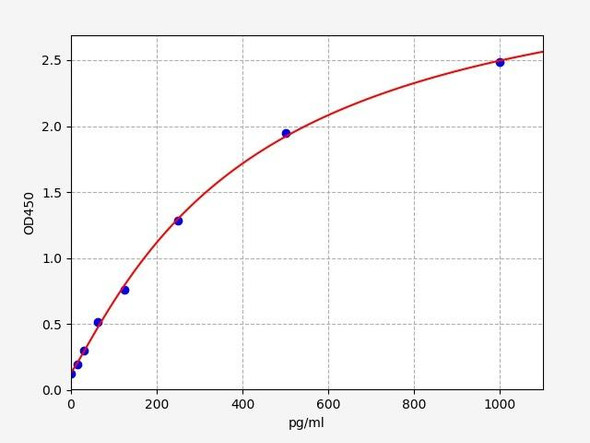

Human CAT (Catalase) ELISA Kit (HUFI07676)
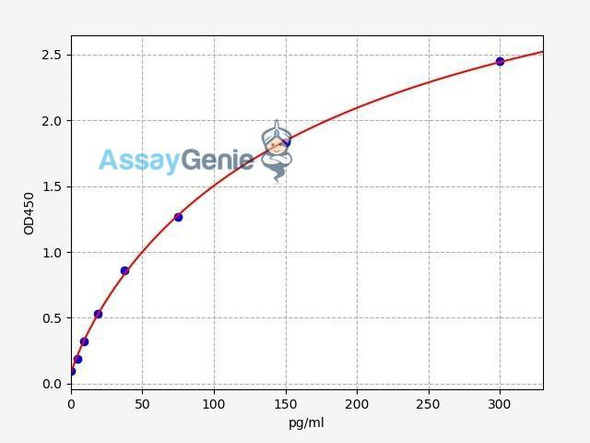
Human IL-6 ELISA Kit (HUFI00180)
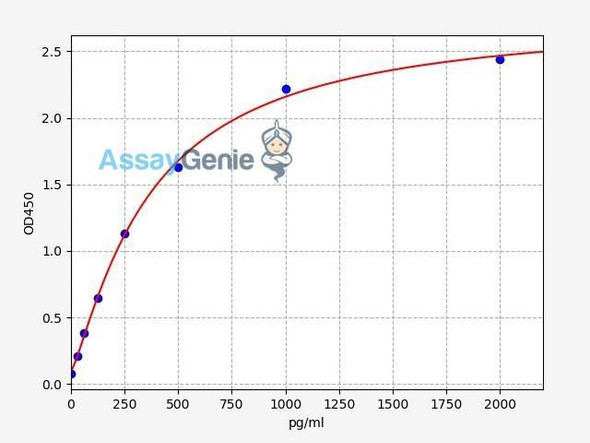
Human CRP ELISA Kit (HUFI00088)

Serotonin ELISA Kit (UNFI0018)


Human MICA ELISA Kit (HUFI00015)

Fatty Acid Oxidation (FAO) Assay Kit (BR00001)

Anti-Mouse IFNAR-1 In Vivo Antibody - Low Endotoxin (IVMB0202)

Anti-Mouse CD25 In Vivo Antibody - Low Endotoxin (IVMB0148)

Anti-Mouse NK1.1 In Vivo Antibody - Low Endotoxin (IVMB0100)
![Anti-Mouse PD-1 (CD279) [RMP1-14] In Vivo Antibody - Low Endotoxin](https://cdn11.bigcommerce.com/s-h68l9z2lnx/images/stencil/590x590/products/214372/569320/anti-mouse-pd-1-cd279-rmp1-14-in-vivo-antibody-low-endotoxin__18202.1743527968.jpg?c=2 "Anti-Mouse PD-1 (CD279) [RMP1-14] In Vivo Antibody - Low Endotoxin")
Anti-Mouse PD-1 Antibody [RMP1-14] In Vivo-Low Endotoxin (IVMB0037)


LSAMP Rabbit Polyclonal Antibody (CAB14248)
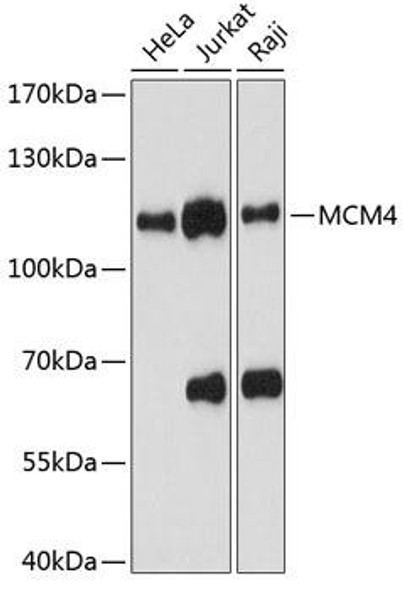
MCM4 Rabbit Polyclonal Antibody (CAB13513)

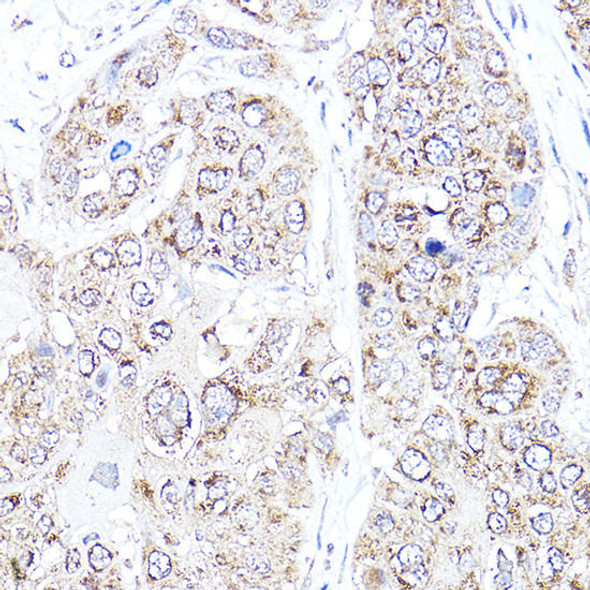
VEGF Rabbit Polyclonal Antibody (CAB12303)

MDA ELISA Kit (UNFI0048)

PGE2 ELISA Kit (UNFI0032)

