
-
C-Reactive Protein (CRP): Function, Levels & What They Mean(Post)
Biomarkers · InflammationC-Reactive Protein (CRP): Structure, Function and Clinical UseCRP is the most widely measured marker of inflammation in medicine — fast to rise, fast to fall, and entirely non
TNF alpha & Inflammation(Post)Immunology · Cytokine SignallingTNF-alpha and Inflammation: Structure, Signalling & TherapyTumour necrosis factor alpha (TNF-α) is one of the most important pro-inflammatory cytokines in the body. Sig
Microglial Functions: Immune Response + Neuroinflammation(Post)Key Takeaways: Microglia are immune cells in the CNS, originating from myeloid precursor cells. They surveil the CNS, respond to changes, and maintain neural health. Microglia exist in diff
Understanding Platelet Activation: A Comprehensive Overview(Post)Haemostasis · Platelet BiologyUnderstanding Platelet Activation: A Comprehensive OverviewPlatelet activation is the rapid, tightly controlled response by which circulating platelets change shape, rele
Microcalcifications in breast cancer: Novel insights into the molecular mechanism and functional consequences(Post)Shane O’Grady, PhD student, RCSI Cancer is a disease that will, unfortunately, touch all of our lives at some point, directly or indirectly. Despite decades
MAPK Signaling: Unraveling the Pathway of Mitogen Stimulation(Post)Cell Signalling · Kinase CascadesMAPK Signaling: The Pathway of Mitogen StimulationThe mitogen-activated protein kinase (MAPK) pathway is one of the most important signalling cascades in biology, conv
Antibody Sampler Packs(Page)Antibody Sampler Packs | 50 Pathway Panels | Assay Genie
What Causes Acute Pancreatitis?(Post)Acute pancreatitis (AP) is a condition in which activated enzymes and inflammatory mediators released from the pancreas cause damage to the pancreas and surrounding tissues. AP is furt
CAR-T cell signalling(Page) ST2 and IL33(Post)ST2, a member of the IL-1R Subfamily ST2 is a member of the IL-1R subfamily and was identified in 1989 [1]. The ST2 gene is located on chromoso
CD47: Overcoming Tumor Evasion Through Macrophage Activation(Post)One of the greatest challenges in cancer therapy is how tumors evade immune detection. Among the mechanisms cancer cells exploit, the CD47 pathway has emerged as a major player in helping
Prevention and Risk Mitigation: Strategies to Reduce Hantavirus Exposure in a Changing World(Post)As hantavirus cases continue to rise globally, the question becomes not just how to detect infections, but how to prevent them in the first place. Recent epidemiological investigations across Califor
Ras signaling pathway(Post)A wide variety of cell surface receptors activate Ras GTPase, including the tyrosine receptor linked to the epidermal growth factor receptor (EGFR) (Wells 1999). Upon receptor stimulation, son o
Gram-Negative Bacteria: Examples, Infections & Resistance(Post)What is Gram-Negative bacteria? Gram-negative bacteria are a diverse group of microorganisms characterized by their unique cell wall structure. They stain pink or red when subjecte
Understanding Radial Glial Cells: Insights into Neurodevelopmental Processes(Post)Radial glial cells are essential in shaping the nervous system, serving dual roles in neurogenesis and structural support during the brain's developmental stages. Key Takeaways: Radi
Deciphering the Intricacies of TGF-Beta Signaling Pathway(Post)Transforming Growth Factor-Beta (TGF-β) signaling pathway plays a pivotal role in orchestrating various cellular processes, ranging from embryonic development to tissue homeostasis and immune resp
Disease and Pathways Tools(Page)Disease & Pathway Tools | ELISA Kits, Antibodies & Assays by Research Area | Assay Genie
Top 10 Therapeutics(Page) Metabolism or pluripotency – which regulates which? A chicken or the egg story.(Post)By Sophie Arthur How many diseases and conditions do you think exist in this world? Thousands? Hundreds of thousands? Maybe even millions? Unfortunately, I don’t know the answer. But what I
Deciphering B Cell Cancers With a Rituximab Biosimilar(Post)The fight against B cell cancers, a challenging spectrum of hematologic malignancies, has entered a new era with the introduction of rituximab biosimilars. These biosimilars promise to extend the
Featured
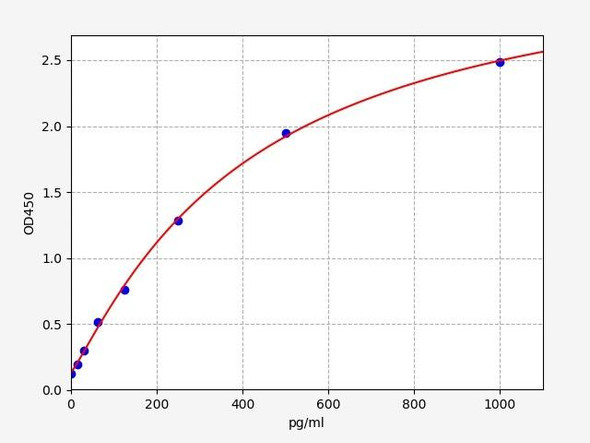

Human CAT (Catalase) ELISA Kit (HUFI07676)
- Product Code:
- HUFI07676
- Detection Method:
- Sandwich ELISA, Double Antibody
- Sensitivity:
- 9.375 pg/mL
- Range:
- 15.625-1000 pg/mL


Human MICA ELISA Kit (HUFI00015)
- Product Code:
- HUFI00015
- Detection Method:
- Sandwich ELISA, Double Antibody
- Sensitivity:
- 46.875 pg/mL
- Range:
- 78.125-5000 pg/mL

Fatty Acid Oxidation (FAO) Assay Kit (BR00001)
- Product Code:
- BR00001
- Instrument:
- Microplate Reader

Anti-Mouse IFNAR-1 In Vivo Antibody - Low Endotoxin (IVMB0202)
- Product Code:
- IVMB0202
- Antibody Type:
- Functional-Grade In Vivo Antibody
- Clone:
- MAR1-5A3
- Protein:
- IFNAR1
- Isotype:
- Mouse IgG1

Anti-Mouse CD25 In Vivo Antibody - Low Endotoxin (IVMB0148)
- Product Code:
- IVMB0148
- Antibody Type:
- Functional-Grade In Vivo Antibody
- Clone:
- PC61
- Protein:
- CD25
- Isotype:
- Rat IgG1 lambda

Anti-Mouse NK1.1 In Vivo Antibody - Low Endotoxin (IVMB0100)
- Product Code:
- IVMB0100
- Antibody Type:
- Functional-Grade In Vivo Antibody
- Clone:
- PK136
- Protein:
- NK1.1
- Isotype:
- Mouse IgG2a kappa

Anti-Mouse PD-1 Antibody [RMP1-14] In Vivo-Low Endotoxin (IVMB0037)
- Product Code:
- IVMB0037
- Antibody Type:
- Functional-Grade In Vivo Antibody
- Clone:
- RMP1-14
- Protein:
- PD-1
- Isotype:
- Rat IgG2a kappa


LSAMP Rabbit Polyclonal Antibody (CAB14248)
- Product Code:
- CAB14248
- Antibody Type:
- Polyclonal Antibody
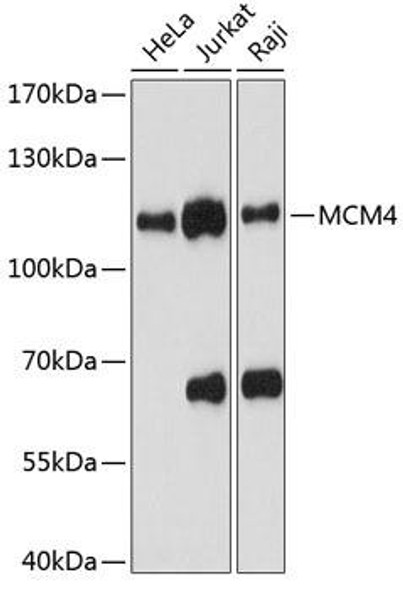
MCM4 Rabbit Polyclonal Antibody (CAB13513)
- Product Code:
- CAB13513
- Antibody Type:
- Polyclonal Antibody

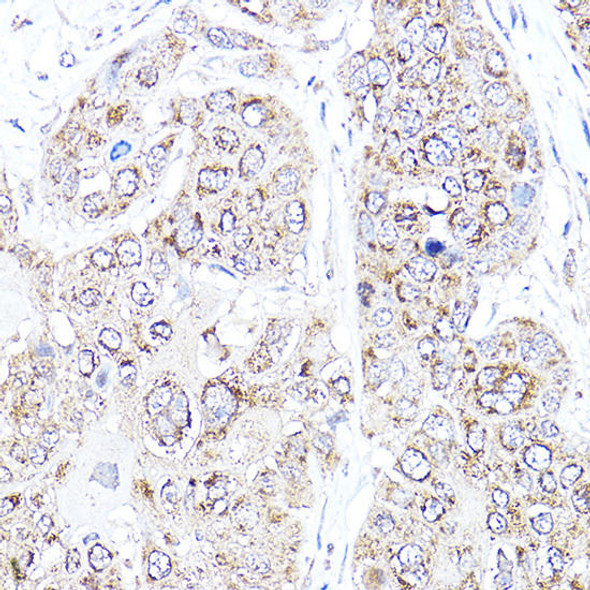
VEGF Rabbit Polyclonal Antibody (CAB12303)
- Product Code:
- CAB12303
- Antibody Type:
- Polyclonal Antibody

MDA ELISA Kit (UNFI0048)
- Product Code:
- UNFI0048
- Detection Method:
- Competitive ELISA, Coated with Antigen
- Sensitivity:
- 4.688 ng/mL
- Range:
- 7.813-500 ng/mL


Dopamine ELISA Kit (UNFI0013)
- Product Code:
- UNFI0013
- Detection Method:
- Competitive ELISA, Coated with Antigen
- Sensitivity:
- 0.938 ng/mL
- Range:
- 1.563-100 ng/mL

Serotonin ELISA Kit (UNFI0018)
- Product Code:
- UNFI0018
- Detection Method:
- Competitive ELISA, Coated with Antigen
- Sensitivity:
- 0.938 ng/mL
- Range:
- 1.563-100 ng/mL

PGE2 ELISA Kit (UNFI0032)
- Product Code:
- UNFI0032
- Detection Method:
- Competitive ELISA, Coated with Antigen
- Sensitivity:
- 18.75 pg/mL
- Range:
- 31.25-2000 pg/mL
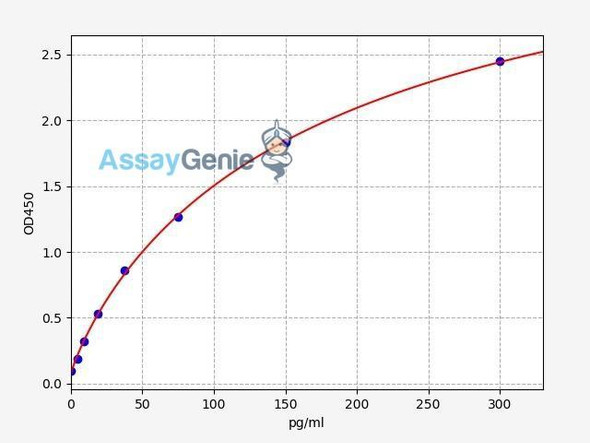
Human IL-6 ELISA Kit (HUFI00180)
- Product Code:
- HUFI00180
- Sensitivity:
- 2.813pg/ml
- Range:
- 4.688-300pg/ml
- ELISA Type:
- Sandwich
