
MAPK Signaling: Unraveling the Pathway of Mitogen Stimulation
MAPK Signaling: The Pathway of Mitogen Stimulation
The mitogen-activated protein kinase (MAPK) pathway is one of the most important signalling cascades in biology, converting extracellular cues — growth factors, mitogens and stress — into changes in gene expression that control proliferation, differentiation, survival and apoptosis. This guide covers how the pathway is initiated, the three-tiered kinase module, the ERK, JNK and p38 branches, its role in the cell cycle, and its importance in disease.
Browse ELISA Kits →Contents
- Introduction to MAPK Signaling in Cellular Processes
- The Mechanism of MAPK Signaling Pathway
- Initiation by Mitogen Stimulation
- The Three-Tiered Kinase Module
- Diverse MAPK Pathways
- Role in Cell Cycle and Proliferation
- MAPK Signaling in Disease and Therapeutics
- MAPK Pathway ELISA Kits
- Frequently Asked Questions
- Conclusion
- References
Introduction to MAPK Signaling in Cellular Processes
Mitogen-Activated Protein Kinase (MAPK) signaling pathways are crucial in transmitting signals from the cell surface to the DNA in the cell nucleus. These pathways play a pivotal role in various cellular processes, including proliferation, differentiation, and response to environmental stress. Understanding the intricacies of the MAPK signaling pathway, especially in response to mitogen stimulation, is fundamental for advancing our knowledge in cell biology and therapeutic strategies.
First characterised in the context of growth-factor signalling, MAPK cascades are now known to operate in virtually every eukaryotic cell, from yeast to humans, underscoring their deep evolutionary conservation and central role in how cells sense and respond to their environment.
The Mechanism of MAPK Signaling Pathway
Figure: Mitogen Simulation Pathway
In the canonical ERK cascade, an activated receptor tyrosine kinase recruits the adaptor GRB2 and the exchange factor SOS, which load GTP onto the small GTPase RAS. GTP-bound RAS then recruits and activates RAF (a MAP3K), which phosphorylates MEK1 and MEK2 (the MAP2Ks), which in turn phosphorylate ERK1 and ERK2 on both a threonine and a tyrosine residue in their activation loop. Only dually phosphorylated ERK is active; it then translocates to the nucleus to phosphorylate transcription factors such as ELK1 and c-Fos.
Initiation by Mitogen Stimulation
The journey of the MAPK signaling pathway begins at the cell surface with the binding of mitogens, such as growth factors, to their respective receptors. This binding triggers a cascade of phosphorylation events, a process essential for activating the MAPK pathway. These mitogens, by binding to receptor tyrosine kinases (RTKs), initiate the pathway, which in turn, leads to the activation of various downstream effectors.
The Three-Tiered Kinase Module
Central to the MAPK signaling pathway is a three-tiered kinase module comprising MAP kinase kinase kinase (MAP3K), MAP kinase kinase (MAP2K), and MAP kinase (MAPK). Upon activation, MAP3K phosphorylates and activates MAP2K, which then phosphorylates and activates MAPK. This sequential activation is a hallmark of the MAPK signaling pathway.
Diverse MAPK Pathways
There are several MAPK pathways, with the most studied ones being ERK, JNK, and p38 MAP kinase pathways. Each of these pathways is activated by different stimuli and leads to distinct cellular responses. For instance, the ERK pathway is often associated with cell proliferation, while the JNK and p38 pathways are linked to stress responses.
The ERK1/2 pathway is chiefly activated by mitogens and growth factors and drives proliferation and survival. The JNK (c-Jun N-terminal kinase) and p38 pathways, by contrast, are activated by cellular stresses — UV radiation, osmotic shock, heat and pro-inflammatory cytokines — and regulate apoptosis, inflammation and the stress response. Extensive cross-talk between these branches lets cells fine-tune their response to combinations of signals.
Role in Cell Cycle and Proliferation
The activation of the MAPK pathway, particularly through the ERK pathway, plays a critical role in cell cycle progression and proliferation. This is evident in the way ERK influences the transcription of genes necessary for the G1 phase of the cell cycle and the transition to the S phase, where DNA replication occurs.
Sustained ERK activity promotes expression of cyclin D1 and the downregulation of cell-cycle inhibitors, driving cells past the restriction point in G1 and into S phase. Crucially, it is the duration and strength of ERK signalling — not merely its presence — that determines whether a cell proliferates, differentiates or enters senescence.
MAPK Signaling in Disease and Therapeutics
Dysregulation of MAPK signaling pathways can lead to various diseases, notably cancer. The aberrant activation of these pathways, often through mutations in RTKs or downstream components, can lead to uncontrolled cell proliferation. Consequently, targeting MAPK pathways has become a strategic approach in developing cancer therapeutics.
Because constitutively active RAS–RAF–MEK–ERK signalling is one of the most common oncogenic events, the pathway is a major drug target. BRAF inhibitors such as vemurafenib and dabrafenib, and MEK inhibitors such as trametinib and cobimetinib, are used to treat BRAF-mutant melanoma and other cancers, frequently in combination to delay resistance. Aberrant JNK and p38 signalling is likewise implicated in inflammatory and neurodegenerative disease.
MAPK Pathway ELISA Kits
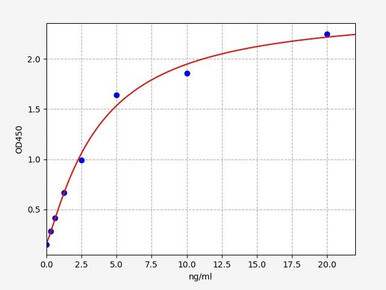
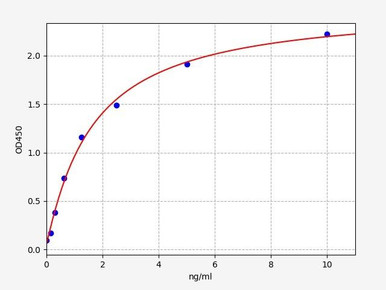
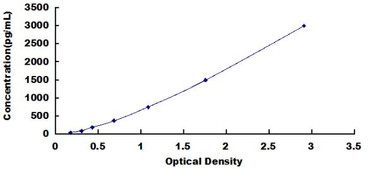
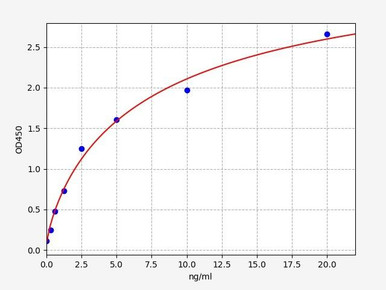
Assay Genie offers ELISA kits for the kinases and GTPases at every tier of the MAPK cascade:

Frequently Asked Questions
What is the MAPK signaling pathway?
The mitogen-activated protein kinase (MAPK) pathway is a cascade of kinases that relays signals from cell-surface receptors to the nucleus, controlling proliferation, differentiation and survival.
What are the three tiers of the MAPK module?
A MAP3K activates a MAP2K, which activates a MAPK — for example RAF → MEK → ERK. This sequential phosphorylation amplifies and tightly controls the signal.
What are the main MAPK pathways?
The three best-characterised are the ERK1/2 pathway (growth and proliferation) and the JNK and p38 pathways (stress and inflammation).
Why is MAPK signaling important in cancer?
Activating mutations in RAS, RAF or MEK cause constitutive ERK signalling that drives uncontrolled proliferation, making the pathway a major drug target.
Conclusion
The MAPK signaling pathway, particularly in response to mitogen stimulation, is a complex yet essential component of cellular functioning. Its role in cell proliferation, differentiation, and response to stress highlights its importance in both normal physiology and disease pathology. Ongoing research continues to unravel the complexities of this pathway, offering insights into potential therapeutic interventions.
References
- Pearson, G., Robinson, F., Beers Gibson, T., Xu, B. E., Karandikar, M., Berman, K., & Cobb, M. H. (2001). Mitogen-activated protein (MAP) kinase pathways: regulation and physiological functions. Endocrine Reviews, 22(2), 153-183.
- Kyriakis, J. M., & Avruch, J. (2001). Mammalian mitogen-activated protein kinase signal transduction pathways activated by stress and inflammation. Physiological Reviews, 81(2), 807-869.
- Widmann, C., Gibson, S., Jarpe, M. B., & Johnson, G. L. (1999). Mitogen-activated protein kinase: conservation of a three-kinase module from yeast to human. Physiological Reviews, 79(1), 143-180.
- Chang, L., & Karin, M. (2001). Mammalian MAP kinase signalling cascades. Nature, 410(6824), 37-40.
- Davis, R. J. (2000). Signal transduction by the JNK group of MAP kinases. Cell, 103(2), 239-252.
- Raman, M., Chen, W., & Cobb, M. H. (2007). Differential regulation and properties of MAPKs. Oncogene, 26(22), 3100-3112.
- Schaeffer, H. J., & Weber, M. J. (1999). Mitogen-activated protein kinases: specific messages from ubiquitous messengers. Molecular and Cellular Biology, 19(4), 2435-2444.
Tehreem Ali completed her MS in Bioinformatics and conducted her research work at the IOMM lab at GCUF, Pakistan.
Tehreem Ali is a scientific contributor at Assay Genie, writing on cell signalling and molecular biology.
Related reading
Researching kinase signalling?
From RAS, RAF, MEK and ERK ELISA kits to JNK and p38 assays and validated antibodies, Assay Genie supplies the reagents behind cell-signalling research — backed by expert technical support.
Browse ELISA Kits →Recent Posts
-
Suspected Plague Death at a Siberian Anti-Plague Institute: What Researchers Should Know
Infectious Disease · News AnalysisSuspected Plague Death at a Siberian Anti-Plague Institute: What …6th Oct 2026 -
LPS ELISA Troubleshooting: The Importance of Sample Nature
Quick answer A researcher measuring circulating lipopolysaccharide (LPS) in human serum …25th Sep 2026 -

Sekundärantikörper wählen: Die Regel, die im Labor wirklich zählt
Sekundärantikörper wählen: Die Regel, die im Labor wirklich zählt Wählen Sie einen Sekundärantikörp …24th Sep 2026