
-
Innate Immune System Explained: Step-by-Step Process & Key Concepts(Post)
Immunology · Cell BiologyCells of the Innate Immune System: Types, Functions and MarkersThe innate immune system responds within minutes, without prior exposure, using cells that recognise conserved m
ELISA Plate-to-Plate OD Differences: Same-Lot Troubleshooting(Post)Quick answer When plates from the same lot give very different OD values, the cause is almost always a comparison problem, not a manufacturing problem. The three usual culprits are a t
Transformation Protocol – Sample Transformation Protocols(Post)Introduction Transformation of bacteria with plasmids is not only of note for bacterial studies but also can be used for gene expression studies in mammalian cells. Most plasmids are of bact
Autophagy alterations in Alzheimer’s disease(Post)By Diana-Madalina Stan, PhD student, University of Salford Disease Description Alzheimer’s disease (AD), the most common cause of dementia, is a neu
Gut Inflammation and Inflammatory Diseases (Post)What is Gut Inflammation? The gut, or gastrointestinal (GI) tract is a long tube that starts from the mouth and extends to the anus. It includes various organs such
Epigenetic modifiication & Histone methylation(Post)Agata Miezaniec PhD Candidate, University of Nottingham, UK Epigenetics and the link to DNA Methylation The term ‘Epigenet
Treg Suppression and the IL-2 Axis: Pathway, Function and Assays(Post)Regulatory T cells cannot make the cytokine they depend on. FOXP3 represses the Il2 locus, so every Treg lives on IL-2 secreted by the conventional T cells it exists to restrain. That asymmetry expla
How Cancer Cells Hijack Immune Defenses Through Mitochondrial Transfer(Post)Imagine a battlefield where the enemy doesn't just hide from soldiers—it actively sabotages their weapons. In the tumor microenvironment, cancer cells have evolved a devious strategy: they transfer th
Protein Glycosylation for Labs: Mechanisms, Workflows, and Reagent Tips(Post)Protein Glycosylation for Labs: Mechanisms, Workflows, and Reagent Tips Protein glycosylation is the enzymatic covalent attachment of sugar chains (glycans) to specific amino acid side chains, most co
The Interferonopathies and the Self-DNA Problem(Page) CD33 Marker: Function, Expression & Myeloid Cell Role(Post)Introduction Discover the multifaceted role of CD33, a critical player in immune function and disease, shaping our approach to treating cancers and neurodegenerative conditions
HERV-K group of endogenous retroviruses and cancer(Post)In 2006, upon completion of the Human Genome Project, it was discovered that nearly 8% of the human genome is made up of viral DNA. These viral remnants are composed of ancient germl
Chronic myelogenous leukaemia (CML) – Review(Post)Chronic myelogenous leukaemia (CML) is a myeloproliferative haematopoietic malignancy, characterised by a karyotypic abnormality present in more than 95% of cases known as the Philadelph
Tween 20 en ELISA: concentración, función y errores frecuentes(Post)Tween 20 en ELISA: concentración, función y errores frecuentes Sí: Tween 20 (Polysorbate 20) es el tensioactivo estándar en los buffers de lavado de ELISA. La regla práctica es optimizar la concentra
Mesenchymal Stem Cells: Navigating the Frontiers of Regenerative Medicine(Post)Mesenchymal stem cells (MSCs) have emerged as pivotal players in the realm of regenerative medicine due to their unique properties and versatile potential. Originally discovered in the bone marrow
A mechanopharmacology approach to overcome chemoresistance in pancreatic cancer(Post)Mechanical forces are common in biological systems and dominate numerous perturbations that are relevant to human physiology and disease. Mechanobiology is a new field that evaluates the eff
Influenza Hemagglutinin (HA) Subtypes and Flu Virus Strains: What You Need to Know(Post)The flu is a highly contagious virus that affects the respiratory system. It can cause fever, muscle aches, and coughing. In some cases, it can lead to more serious health complicati
Tau proteins: An Overview (Post)The tau protein is a hot topic in the scientific world right now. This little-known protein has been linked to Alzheimer's disease, Parkinson's disease, and other neurodegenerative disea
3D Organoid Cell Viability Assay: Performance Assessment in Human Colon Organoids(Post)The 3D Organoid Cell Viability Assay (AKES081) demonstrated high sensitivity and low cytotoxicity, making it ideal for long incubation studies (24-48 hours) and high-throughput applicati
Protease vs Peptidase: Understanding Enzymatic Digestion(Post)Enzymology · Protein DegradationProtease vs Peptidase: Understanding the DifferenceProteases and peptidases are the enzymes that cleave peptide bonds — breaking proteins down into peptides and peptide
Featured
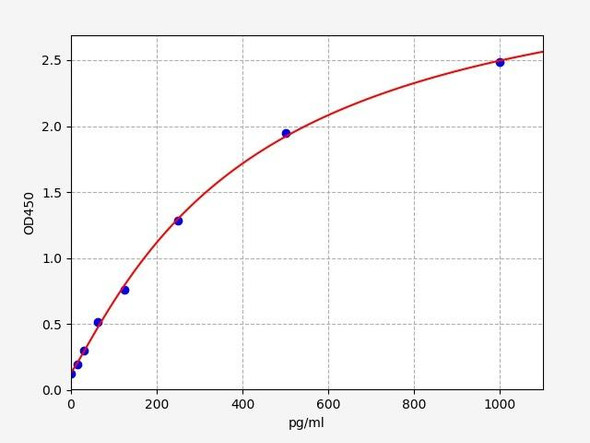

Human CAT (Catalase) ELISA Kit (HUFI07676)


Human MICA ELISA Kit (HUFI00015)

Fatty Acid Oxidation (FAO) Assay Kit (BR00001)

Anti-Mouse IFNAR-1 In Vivo Antibody - Low Endotoxin (IVMB0202)

Anti-Mouse CD25 In Vivo Antibody - Low Endotoxin (IVMB0148)

Anti-Mouse NK1.1 In Vivo Antibody - Low Endotoxin (IVMB0100)
![Anti-Mouse PD-1 (CD279) [RMP1-14] In Vivo Antibody - Low Endotoxin](https://cdn11.bigcommerce.com/s-h68l9z2lnx/images/stencil/590x590/products/214372/569320/anti-mouse-pd-1-cd279-rmp1-14-in-vivo-antibody-low-endotoxin__18202.1743527968.jpg?c=2 "Anti-Mouse PD-1 (CD279) [RMP1-14] In Vivo Antibody - Low Endotoxin")
Anti-Mouse PD-1 Antibody [RMP1-14] In Vivo-Low Endotoxin (IVMB0037)


LSAMP Rabbit Polyclonal Antibody (CAB14248)
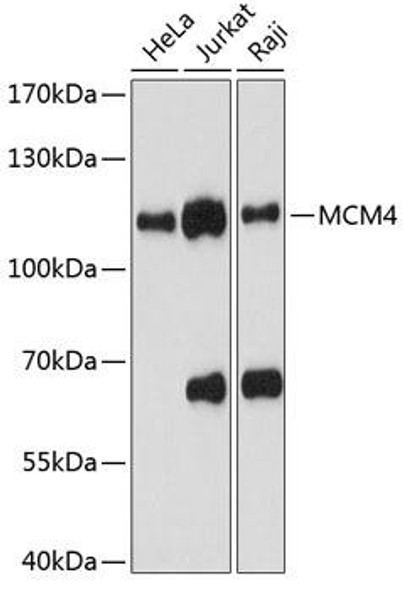
MCM4 Rabbit Polyclonal Antibody (CAB13513)

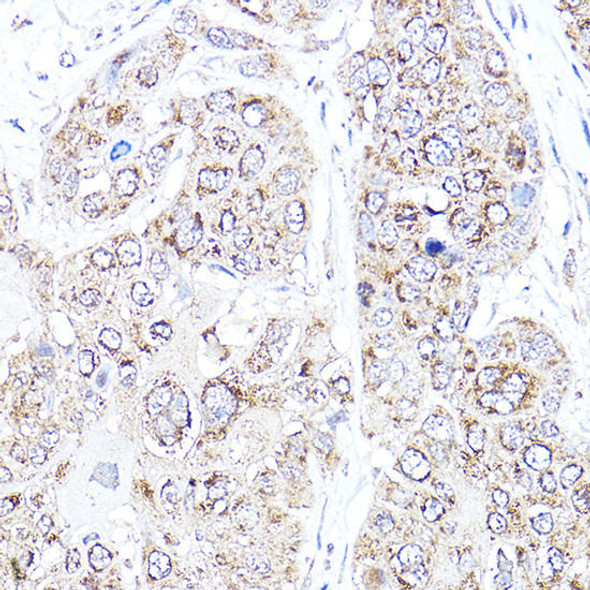
VEGF Rabbit Polyclonal Antibody (CAB12303)

MDA ELISA Kit (UNFI0048)


Dopamine ELISA Kit (UNFI0013)

Serotonin ELISA Kit (UNFI0018)

PGE2 ELISA Kit (UNFI0032)
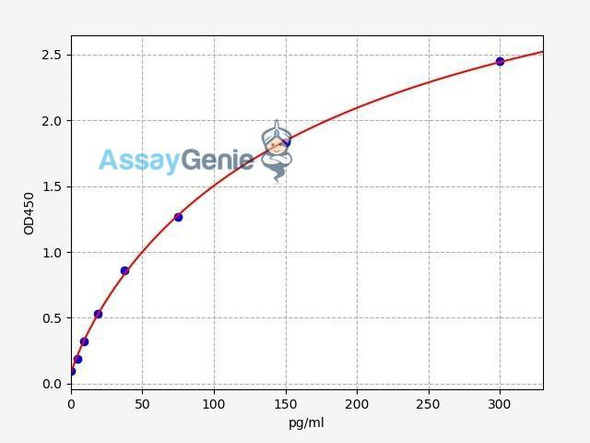
Human IL-6 ELISA Kit (HUFI00180)
