
-
KIR Blockade: Empowering NK Cells for Superior Tumor Clearance(Post)
Introduction to KIR Blockade in Cancer ImmunotherapyNatural killer (NK) cells are crucial components of the innate immune system, responsible for recognizing and destroying virally infec
Galegenimab: Unlocking the Potential of Anti-CD47 in Cancer Research(Post)Quick Facts About GalegenimabWhat is Galegenimab?Galegenimab is an anti-CD47 monoclonal antibody designed to block the "don't eat me" signal, enhancing the immune system's ability to eli
T Helper Cells: Th1, Th2, Th17 Differences & Functions(Post)Complete T Helper Cell Guide: Th1, Th2, Th17 & Functions - Your Ultimate Resource from Assay GenieIn this guide, we will explore the differences between TH1 and TH2 cells, their crucial r
MAPK Signaling: Unraveling the Pathway of Mitogen Stimulation(Post)Cell Signalling · Kinase CascadesMAPK Signaling: The Pathway of Mitogen StimulationThe mitogen-activated protein kinase (MAPK) pathway is one of the most important signalling cascades in biology, conv
What Causes Acute Pancreatitis?(Post)Acute pancreatitis (AP) is a condition in which activated enzymes and inflammatory mediators released from the pancreas cause damage to the pancreas and surrounding tissues. AP is furt
Cytokine Release Syndrome and the IL-6 Axis(Page) Beta Oxidation of Fatty Acids(Post)Metabolism · Biochemistry GuideBeta-Oxidation of Fatty AcidsBeta-oxidation is the mitochondrial pathway that breaks fatty acids down into acetyl-CoA for energy. This guide covers where it happen
Alternative Complement Pathway: Activation, Regulation, and Significance(Post)Immunology · Complement SystemThe Alternative Complement PathwayThe alternative pathway is one of three routes that activate complement — an antibody-independent, always-on surveillance system d
CD86: Enhancing T Cell Activation in Immunotherapy(Post)Introduction to CD86 and Its Role in Immune Activation CD86 is a crucial co-stimulatory molecule that plays an essential role in T cell activation, driving the immune system’s ability to
The Environmental Shift: How Climate Change and Biodiversity Loss are Driving the Hantavirus Surge(Post)The year 2026 has brought an unsettling spotlight onto an old adversary: Hantavirus. What began as isolated cases has rapidly escalated into a multi-country surge, leaving scientists and public healt
EGF Family (Post)Epidermal Growth Factor (EGF) is a protein that stimulates cell growth and differentiation by binding to its receptor epidermal growth factor receptor (EGFR) which triggers ligand-induced d
No Ligand, No Kinase, No Problem(Post)HER2 has no ligand. HER3 has no kinase. Together they are the most potent signalling pair in human biology. That single sentence explains most of what is strange about this receptor family and all of
Antibody Structure: Overview & Insights(Post)Antibody Structure Antibody S
VEGF-A VEGFR-2 Signaling: Decoding the Blueprint of Angiogenesis for Therapeutic Insights(Post)The orchestration of angiogenesis, the process by which new blood vessels form from pre-existing ones, is a complex symphony regulated by various molecular players. At the forefront of this int
STING Activators As Cancer Therapeutics(Post)The STING (Stimulator of Interferon Genes) pathway plays a pivotal role in the innate immune system's response to cancerous cells and DNA viruses. Exploiting this pathway through STING activators
Labeling Non-Antibody Proteins and Small Molecules: An Advanced Guide(Post)In the evolving landscape of biochemical research and diagnostic assay development, the ability to label non-antibody proteins and small molecules with high precision has become indispensable. Thi
Mast Cells IgE and Type 2 Immunity(Page) Secondary Antibodies(Page)Secondary Antibodies | HRP, FITC, Cy3 & AP Conjugates | Assay Genie
What are the stages of Parkinson's disease?(Post)What is Parkinson’s disease? Parkinson's disease can be seen as a neurodegenerative disease because it is associated with the loss of nerve cel
CXC Chemokine Family(Post)In the realm of immunology, CXCL chemokines emerge as fascinating conductors. These small proteins, marked by their CXC motif, wield considerable influence over our immune responses and a ra
Featured
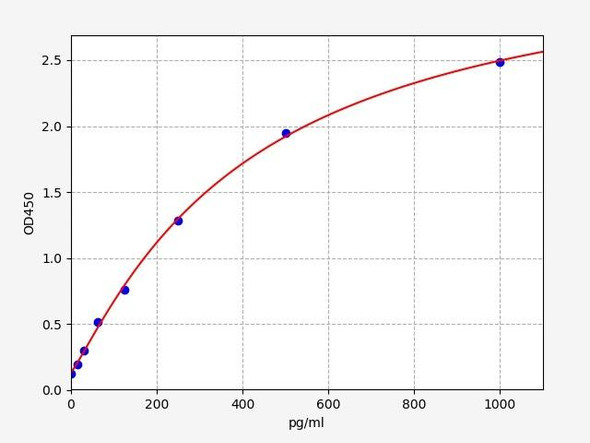

Human CAT (Catalase) ELISA Kit (HUFI07676)
- Product Code:
- HUFI07676
- Detection Method:
- Sandwich ELISA, Double Antibody
- Sensitivity:
- 9.375 pg/mL
- Range:
- 15.625-1000 pg/mL


Human MICA ELISA Kit (HUFI00015)
- Product Code:
- HUFI00015
- Detection Method:
- Sandwich ELISA, Double Antibody
- Sensitivity:
- 46.875 pg/mL
- Range:
- 78.125-5000 pg/mL

Fatty Acid Oxidation (FAO) Assay Kit (BR00001)
- Product Code:
- BR00001
- Instrument:
- Microplate Reader

Anti-Mouse IFNAR-1 In Vivo Antibody - Low Endotoxin (IVMB0202)
- Product Code:
- IVMB0202
- Antibody Type:
- Functional-Grade In Vivo Antibody
- Clone:
- MAR1-5A3
- Protein:
- IFNAR1
- Isotype:
- Mouse IgG1

Anti-Mouse CD25 In Vivo Antibody - Low Endotoxin (IVMB0148)
- Product Code:
- IVMB0148
- Antibody Type:
- Functional-Grade In Vivo Antibody
- Clone:
- PC61
- Protein:
- CD25
- Isotype:
- Rat IgG1 lambda

Anti-Mouse NK1.1 In Vivo Antibody - Low Endotoxin (IVMB0100)
- Product Code:
- IVMB0100
- Antibody Type:
- Functional-Grade In Vivo Antibody
- Clone:
- PK136
- Protein:
- NK1.1
- Isotype:
- Mouse IgG2a kappa

Anti-Mouse PD-1 Antibody [RMP1-14] In Vivo-Low Endotoxin (IVMB0037)
- Product Code:
- IVMB0037
- Antibody Type:
- Functional-Grade In Vivo Antibody
- Clone:
- RMP1-14
- Protein:
- PD-1
- Isotype:
- Rat IgG2a kappa


LSAMP Rabbit Polyclonal Antibody (CAB14248)
- Product Code:
- CAB14248
- Antibody Type:
- Polyclonal Antibody
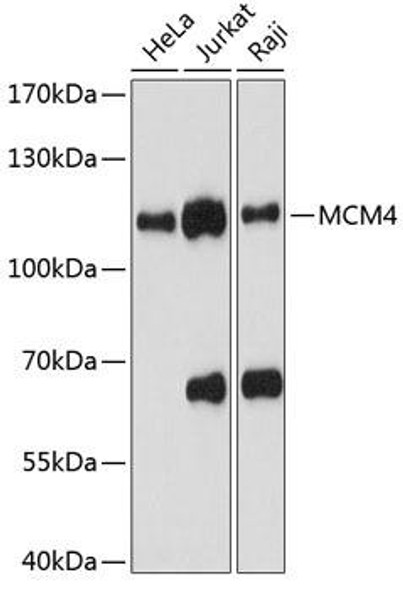
MCM4 Rabbit Polyclonal Antibody (CAB13513)
- Product Code:
- CAB13513
- Antibody Type:
- Polyclonal Antibody

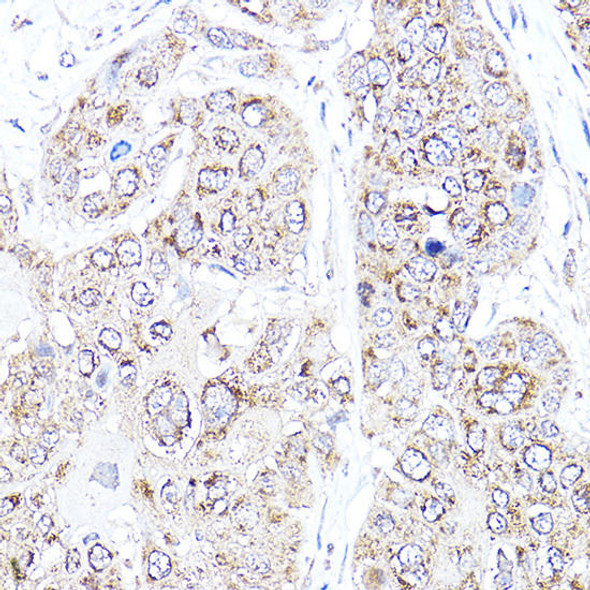
VEGF Rabbit Polyclonal Antibody (CAB12303)
- Product Code:
- CAB12303
- Antibody Type:
- Polyclonal Antibody

MDA ELISA Kit (UNFI0048)
- Product Code:
- UNFI0048
- Detection Method:
- Competitive ELISA, Coated with Antigen
- Sensitivity:
- 4.688 ng/mL
- Range:
- 7.813-500 ng/mL


Dopamine ELISA Kit (UNFI0013)
- Product Code:
- UNFI0013
- Detection Method:
- Competitive ELISA, Coated with Antigen
- Sensitivity:
- 0.938 ng/mL
- Range:
- 1.563-100 ng/mL

Serotonin ELISA Kit (UNFI0018)
- Product Code:
- UNFI0018
- Detection Method:
- Competitive ELISA, Coated with Antigen
- Sensitivity:
- 0.938 ng/mL
- Range:
- 1.563-100 ng/mL

PGE2 ELISA Kit (UNFI0032)
- Product Code:
- UNFI0032
- Detection Method:
- Competitive ELISA, Coated with Antigen
- Sensitivity:
- 18.75 pg/mL
- Range:
- 31.25-2000 pg/mL
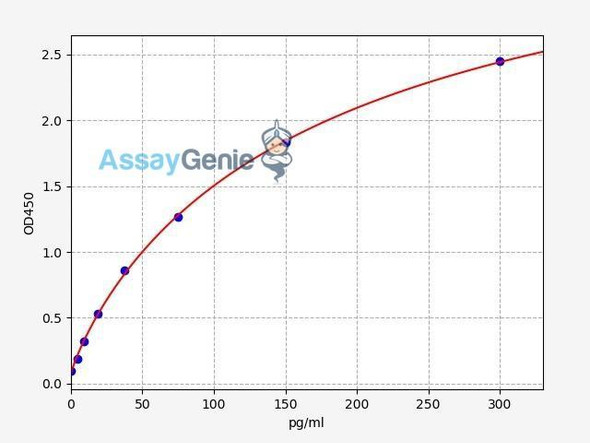
Human IL-6 ELISA Kit (HUFI00180)
- Product Code:
- HUFI00180
- Sensitivity:
- 2.813pg/ml
- Range:
- 4.688-300pg/ml
- ELISA Type:
- Sandwich
