
-
CD86: Enhancing T Cell Activation in Immunotherapy(Post)
Introduction to CD86 and Its Role in Immune Activation CD86 is a crucial co-stimulatory molecule that plays an essential role in T cell activation, driving the immune system’s ability to
Thymic T-Cell Development & Central Tolerance(Page) Regulatory T Cells and the IL-2 Paradox(Page) CD122: Fine-Tuning T Cell Responses in Immunotherapy(Post)Introduction to CD122 in Immunotherapy CD122, also known as the interleukin-2 receptor beta chain (IL-2Rβ), is a critical component of the immune system's response to pathogens and malign
TIM-3: Targeting T Cell Exhaustion for Better Immunotherapy Outcomes(Post)T cell immunoglobulin and mucin-domain containing-3 (TIM-3) is an immune checkpoint receptor that plays a pivotal role in T cell exhaustion, a state where T cells lose their ability to ef
FoxP3: Understanding Regulatory T Cell Control in Tumor Immunity(Post)Introduction to FoxP3 and Regulatory T Cells in CancerFoxP3 (forkhead box P3) is a transcription factor critical for the development and function of regulatory T cells (Tregs), a speciali
Metabolic Exhaustion: How Mitochondrial Dysfunction Sabotages CAR-T Cell Therapy in Solid Tumors(Post)Imagine engineering a patient's own immune cells into precision-guided missiles against cancer—cells that can seek out and destroy tumors with remarkable specificity. This is the promise of CAR-T cell
TNFR2: Taming Regulatory T Cells to Enhance Anti-Tumor Immunity(Post)In recent years, cancer immunotherapy has become a powerful tool for treating various malignancies. One promising approach involves targeting the tumor microenvironment, particularly regu
GITR: Boosting T Cell Activation for Enhanced Cancer Immunotherapy(Post)Glucocorticoid-induced tumor necrosis factor receptor (GITR) is an immune checkpoint molecule that plays a crucial role in regulating T cell activation and survival. In recent years, GITR
Anti-PD-1: Restoring T Cell Function in Cancer Immunotherapy(Post)Cancer immunotherapy has revolutionized the treatment landscape for various malignancies. One of the most promising therapeutic strategies is the use of immune checkpoint inhibitors, part
Beyond Burnout: How T Cell Exhaustion Hijacks Cancer Immunity and What We Can Do About It(Post)Imagine a highly trained soldier, elite and effective, sent to the front lines of a relentless war. Day after day, they fight without rest, their supplies dwindle, and the enemy never stops coming. Ev
How Cancer Cells Hijack Immune Defenses Through Mitochondrial Transfer(Post)Imagine a battlefield where the enemy doesn't just hide from soldiers—it actively sabotages their weapons. In the tumor microenvironment, cancer cells have evolved a devious strategy: they transfer th
Harnessing CD40 for Potent Anti-Tumor Immune Responses(Post)CD40, a member of the tumor necrosis factor receptor (TNFR) superfamily, plays a pivotal role in regulating immune responses, particularly in activating antigen-presenting cells (APCs) an
MHC Class I vs Class II: Key Differences & Functions [Guide](Post)Immunology Guide MHC Class I vs Class II: Key Differences & Functions [Guide] Major Histocompatibility Complex molecules present antigens to T
Unlocking a New Immune Checkpoint: The CD47-Thrombospondin-1 Pathway in Cancer(Post)Cancer immunotherapy has revolutionized oncology, offering powerful new ways to treat various malignancies by harnessing the body's own immune system. Central to this success are immune checkpoint inh
Cell-Based ELISA Kits (Page)Cell-Based ELISA Kits | 1,600+ Total & Phospho Targets | Assay Genie
T-Cell Receptor Signalling: The Complete Pathway, Branch by Branch(Post)The T-cell receptor is the most finely calibrated detector in immunology. It must discriminate an agonist peptide present at a few dozen copies from a self peptide present at tens of thousands, and i
T-Cell Engagers: Signal 1 Without Signal 2(Post)A T-cell engager does not give the T cell an instruction. It gives it an address. A bispecific antibody with one arm on CD3 and the other on a tumour antigen forces two membranes into contact and let
Mitochondrial Transfer: A Novel Immune Evasion Mechanism in Cancer(Post)In the intricate dance between the immune system and cancer, tumors often deploy cunning strategies to evade destruction. A groundbreaking 2025 study in Nature has unveiled a startling new tactic: can
PVR: Balancing Immune Activation and Suppression in Cancer(Post)PVR (Poliovirus receptor), also known as CD155, is a molecule that plays a dual role in regulating the immune response within the tumor microenvironment. While initially discovered as a r
Cell Viability, Cytotoxicity & Proliferation Assays(Page)Cell Viability, Cytotoxicity & Proliferation Assay Kits | Assay Genie
T-cell receptor (TCR) signalling(Page) Th17 Cells and the IL-23 Axis(Page) Unconventional T Cells: Already Armed, and No MHC Required(Post)Most immunology is written as though a T cell must first be told what to look for. Three lineages did not read that memo. γδ T cells, invariant NKT cells and MAIT cells leave the thymus with their ef
T-Cell Engagers and Bispecific Antibodies(Page) The Powerhouse of Immunity: How Mitochondrial Fitness Fuels the Fight Against Cancer(Post)Why do powerful cancer immunotherapies work wonders for some patients but fail for others? The answer may lie not just in the cancer cells themselves, but in the energy levels of our own immune warrio
T Helper Cells: Th1, Th2, Th17 Differences & Functions(Post)Complete T Helper Cell Guide: Th1, Th2, Th17 & Functions - Your Ultimate Resource from Assay GenieIn this guide, we will explore the differences between TH1 and TH2 cells, their crucial r
Reprogramming Regulatory T Cells: A Breakthrough in Cancer Immunotherapy(Post)A New Dawn in Cancer Treatment: Reprogramming the Immune System's Own Soldiers For decades, the fight against cancer has been a relentless battle of attrition, with treatments like chemotherapy and r
B-Cell Depletion and the BAFF-APRIL Axis(Page) NK Cells: Unlocking the Potential of Natural Killer Cells in Cancer Therapy(Post)Natural killer (NK) cells are a crucial component of the innate immune system and play a significant role in eliminating tumor cells. Unlike T cells, NK cells can recognize and kill cance
Gut Homing and Tissue-Resident Memory: How T Cells Stay Put(Post)A T cell does not choose which tissue to defend. The tissue chose it, during priming. A naive T cell has no tropism at all; it acquires one from the dendritic cell that activates it, and the instruct
Unconventional T Cells: Gamma Delta, iNKT and MAIT(Page) Mast Cells IgE and Type 2 Immunity(Page) Immune Cell 'Bloodhounds': Engineering Metabolite-Sensing Receptors to Infiltrate Solid Tumors(Post)Imagine an elite squad of soldiers sent to neutralize a hidden fortress, only to find themselves wandering aimlessly in a thick, disorienting fog just outside the gates. This is the current reality f
Innate Lymphoid Cells: ILC1, ILC2 & ILC3(Page) CD4+ T Cells: Unveiling the Role of Helper and Regulatory T Cells(Post)CD4+ T cells are central to the immune system, functioning as coordinators of immune responses and regulators of immune tolerance. These cells are divided into two primary subtypes: Helpe
Co-Inhibitory Checkpoints & T-Cell Exhaustion(Page) CAR-NK Cell Therapy: The Next Frontier in Cancer Immunotherapy(Post)For decades, the fight against cancer has been a relentless battle of incremental gains. While immunotherapies like CAR-T cell therapy have offered revolutionary hope, their personalized nature, high
4-1BB: Energizing Immune Cells to Overcome Tumor Resistance(Post)Immunotherapy has become a central pillar in the fight against cancer, with a focus on enhancing the body’s natural defenses. Among the molecules at the forefront of immunotherapeutic res
In Vivo Cell Depletion: Antibody Targets, Fc Mechanisms and Dosing(Post)A depletion experiment is only as good as the depletion you can prove. Injecting a functional-grade antibody and assuming the population is gone is the most common failure mode in in vivo immunology.
Freezing Stimulated T Cells: A Detailed Guide(Post)Cryopreservation of stimulated T cells is a common technique in immunology research, allowing for long-term storage while maintaining their functional viability. Stimulated T cells—especi
Myeloid Cell Networks in Cancer Immunotherapy(Post)Understanding Myeloid Cell Networks in Cancer ImmunotherapyImmunotherapy has revolutionized cancer treatment, yet its effectiveness in re-establishing original immune responses post-therapy remains li
LAG-3: Revitalizing T Cells in Exhaustion for Combination Therapies(Post)Lymphocyte Activation Gene-3 (LAG-3) is an immune checkpoint receptor that plays a critical role in regulating T cell function. In recent years, LAG-3 has emerged as a potential target fo
CD28: Amplifying T Cell Responses for Better Tumor Clearance(Post)The CD28 molecule plays a crucial role in amplifying T cell activation, which is critical for mounting effective immune responses against tumors. By engaging with co-stimulatory molecules
Targeting VISTA: Unleashing the Power of T Cells in Cancer Therapy(Post)V-domain Ig suppressor of T cell activation (VISTA) is an emerging immune checkpoint receptor that plays a key role in suppressing T cell activity within the tumor microenvironment (TME).
IgG1 Plasma Cells: The Emerging Biomarker for Predicting Cancer Immunotherapy Success(Post)In the relentless fight against cancer, immunotherapy has emerged as a beacon of hope, harnessing the body's own defenses to combat malignant cells. Yet, predicting which patients will respond to the
CD25+FOXP3+CD45RA- Treg Cells and Cancer Prognosis(Post)The Role of CD25+FOXP3+CD45RA- Treg Cells in Cancer PrognosisIntroductionRegulatory T-cells (Treg cells) are a specialized subset of T-cells that play a pivotal role in maintaining immune homeostasis
Metabolic Bloodhounds: Engineering Immune Cells to Track Cancer's Chemical Trail(Post)Imagine a specialized squad of immune cells, meticulously trained and equipped, not just to fight cancer, but to sniff it out by its unique metabolic scent. This isn't science fiction; it's the groun
Anti-CTLA-4: Unleashing the Power of T Cells in Combination Immunotherapy(Post)Immunotherapy has revolutionized cancer treatment by harnessing the body's immune system to fight malignancies. Among the notable advancements in this field is the development of immune c
TNFRSF9: Enhancing Immune Cell Activity Against Tumors(Post)Introduction to TNFRSF9 and Its Role in Immune ActivationTNFRSF9, also known as 4-1BB or CD137, is a co-stimulatory receptor expressed on the surface of T cells, natural killer (NK) cells
LAG-3: Key Regulator of T Cell Immunity(Post)Exploring LAG-3: A Key Regulator in T Cell ImmunityLAG-3 (Lymphocyte Activation Gene-3) is an inhibitory receptor that plays a crucial role in modulating T cell activation and effector functions. This
Rescuing Exhausted T Cells: A New Frontier in Cancer Immunotherapy(Post)For decades, the fight against cancer has been a story of incremental gains. But what if we could fundamentally shift the battlefield, turning the body's own immune system into a precision-guided weap
CD25 and Tregs: Understanding the Role of Regulatory T Cells in Tumor Immunity(Post)Regulatory T cells (Tregs) play a crucial role in maintaining immune balance by suppressing excessive immune responses that could lead to tissue damage. However, in the context of cancer,
SLAMF7: Activating Natural Killer Cells for Potent Anti-Cancer Responses(Post)Introduction to SLAMF7 in Cancer Immunotherapy SLAMF7, also known as Signaling Lymphocytic Activation Molecule F7, is a surface receptor found on natural killer (NK) cells, T cells, plasm
PD-1 Blockade in B-Cell Lymphomas: A Comprehensive Overview(Post)Understanding PD-1 Blockade in B-Cell Lymphomas Understanding PD-1 Blockade in B-Cell Lymphomas Introduction The programmed cell death prote
2025 Nobel Prize in Medicine: Regulatory T Cells and Peripheral Immune Tolerance(Post)The 2025 Nobel Prize in Physiology or Medicine has been awarded to a trio of scientists for their groundbreaking work on peripheral immune tolerance, a mechanism that prevents our immune system from a
Unlocking the Next Wave of Cancer Treatment: The Rise of CAR-T Cell Therapy(Post)A New Era in Oncology Chimeric Antigen Receptor (CAR)-T cell therapy represents a paradigm shift in the fight against cancer, offering a personalized and powerful immunotherapy that trains a patient
Key Players in T Cell Regulation: Lag-3, Tim-3, and TIGIT(Post)Understanding Lag-3, Tim-3, and TIGIT: Key Players in T Cell RegulationThe immune system's ability to regulate T cell responses is crucial for maintaining homeostasis and combating diseases such as ca
Next-Generation Cancer Therapy: Harnessing CAR-T Cells and the Tumor Microenvironment(Post)For decades, the fight against cancer has been a relentless battle of attrition, often with treatments that harm the body as much as the disease. But a new era of precision medicine is dawning, one th
Turning Tumors Against Themselves: In Vivo Reprogramming of Cancer Cells into Dendritic Sentinels(Post)Imagine a future where cancer cells, once masters of disguise, are forced to reveal themselves and even train the body's immune system to fight back. This isn't science fiction; it's the groundbreaki
NK Cell Cytotoxicity Pathway: Receptors, Signalling and Assays(Post)A natural killer cell decides by subtraction. It carries no rearranged antigen receptor and no memory of what it has seen. It presses a panel of germline-encoded receptors against a target and integr
IgE and Mast Cells: The Cell Is Armed in Advance(Post)The mast cell is loaded long before the allergen arrives. IgE bound to FcεRIα is not waiting to be recruited the way an antibody waits for antigen in a serum assay — it is already installed on the ce
Featured
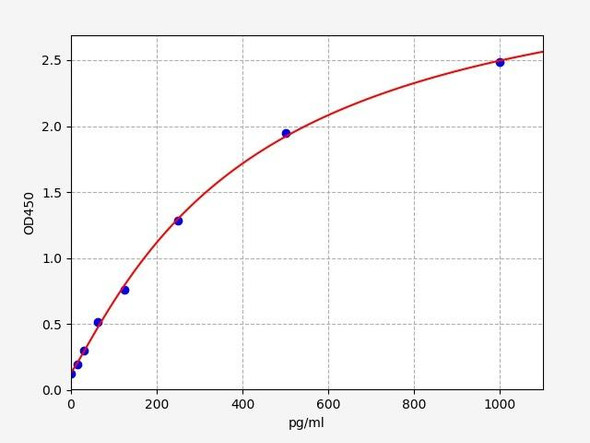

Human CAT (Catalase) ELISA Kit (HUFI07676)
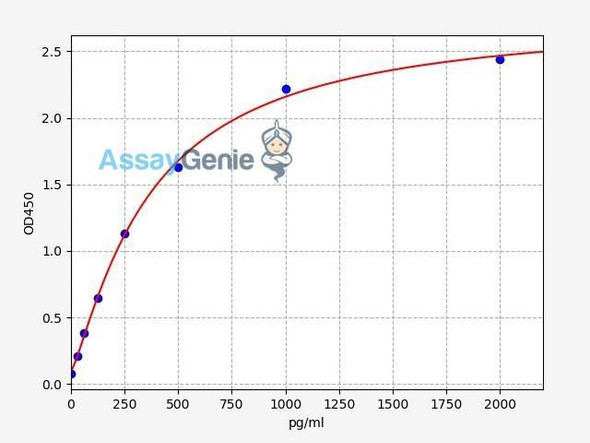
Human CRP ELISA Kit (HUFI00088)

Serotonin ELISA Kit (UNFI0018)


Human MICA ELISA Kit (HUFI00015)

Fatty Acid Oxidation (FAO) Assay Kit (BR00001)

Anti-Mouse IFNAR-1 In Vivo Antibody - Low Endotoxin (IVMB0202)

Anti-Mouse CD25 In Vivo Antibody - Low Endotoxin (IVMB0148)

Anti-Mouse NK1.1 In Vivo Antibody - Low Endotoxin (IVMB0100)
![Anti-Mouse PD-1 (CD279) [RMP1-14] In Vivo Antibody - Low Endotoxin](https://cdn11.bigcommerce.com/s-h68l9z2lnx/images/stencil/590x590/products/214372/569320/anti-mouse-pd-1-cd279-rmp1-14-in-vivo-antibody-low-endotoxin__18202.1743527968.jpg?c=2 "Anti-Mouse PD-1 (CD279) [RMP1-14] In Vivo Antibody - Low Endotoxin")
Anti-Mouse PD-1 Antibody [RMP1-14] In Vivo-Low Endotoxin (IVMB0037)


LSAMP Rabbit Polyclonal Antibody (CAB14248)
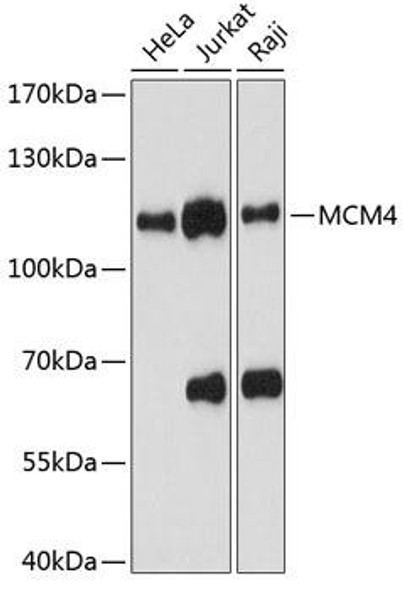
MCM4 Rabbit Polyclonal Antibody (CAB13513)

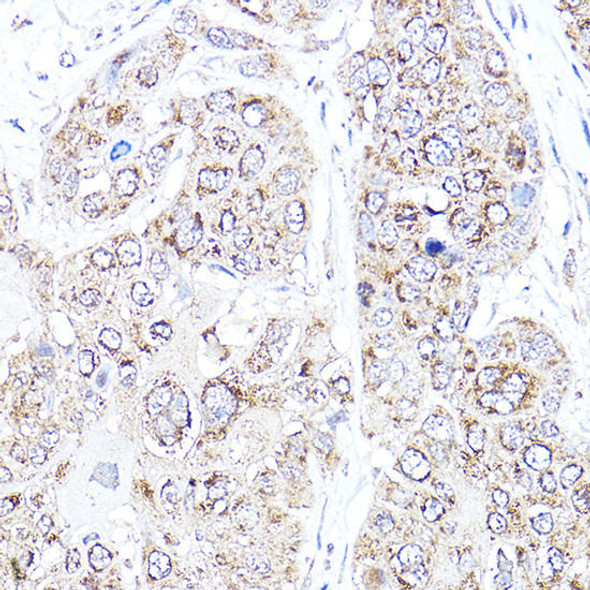
VEGF Rabbit Polyclonal Antibody (CAB12303)

MDA ELISA Kit (UNFI0048)

PGE2 ELISA Kit (UNFI0032)


Dopamine ELISA Kit (UNFI0013)
![PE/Cyanine5 Anti-Mouse Ly6G Antibody [1A8] (AGEL0395)](https://cdn11.bigcommerce.com/s-h68l9z2lnx/images/stencil/590x590/products/20268/606802/pecyanine5-anti-mouse-ly6g-antibody-1a8-agel0395__80315.1707499148.jpg?c=2 "PE/Cyanine5 Anti-Mouse Ly6G Antibody [1A8] (AGEL0395)")
![PE/Cyanine5 Anti-Mouse Ly6G Antibody [1A8] (AGEL0395)](https://cdn11.bigcommerce.com/s-h68l9z2lnx/images/stencil/590x590/products/20268/757948/pecyanine5-anti-mouse-ly6g-antibody-1a8-agel0395__68479.1785501322.jpg?c=2 "PE/Cyanine5 Anti-Mouse Ly6G Antibody [1A8] (AGEL0395)")