
-
Whitepapers(Page)
Scicomm (Science Communication) tips for beginners! (Post)
Science communication (Scicomm) is currently on the up. As rebellion against the increasing distrust of science stemmed from bigoted and ignorant leaders, scientists are turning to s
An insight into the topology of the Enteric Nervous System(Post)The Enteric Nervous system (ENS) is one of the largest subdivisions of the Peripheral Nervous System. This remarkable system is embedded between sheets of smooth muscle cells of the intestinal
Early Diagnosis is key: Pick the weed or allow it destroy the garden?(Post)By Catríona Dowling, Post-Doc, RCSI I want you to come on a journey with me where we are going to the botanic gardens. You will pick a section of the garden that is yours: yours to treasure
CD31: A Comprehensive Look at an Essential Biomarker(Post)What is CD31? CD31, also known as PECAM-1, was originally described as a cell surface antigen present on platelets and megakaryocytes. CD31 is
T-Cell Engagers: Signal 1 Without Signal 2(Post)A T-cell engager does not give the T cell an instruction. It gives it an address. A bispecific antibody with one arm on CD3 and the other on a tumour antigen forces two membranes into contact and let
Mucosal Homing and Tissue-Resident Memory(Page) Sepsis and Immune Dysregulation(Post)Exploring sepsis: a critical imbalance in the immune response to infection. Key Takeaways: Sepsis is a severe, immune-driven response to infection causing systemic inflammation and potent
Beyond Burnout: How T Cell Exhaustion Hijacks Cancer Immunity and What We Can Do About It(Post)Imagine a highly trained soldier, elite and effective, sent to the front lines of a relentless war. Day after day, they fight without rest, their supplies dwindle, and the enemy never stops coming. Ev
Breakthrough Discovery: Epstein-Barr Virus Identified as Primary Trigger for Lupus(Post)Breakthrough Discovery: Epstein-Barr Virus Identified as Primary Trigger for Lupus A groundbreaking study published in November 2025 has provided the most definitive evidence to date that the common E
Navigating the Intricacies of Intracellular Flow Cytometry: Key Considerations(Post)In the evolving landscape of cellular biology, intracellular flow cytometry (ICFC) stands out as a powerful technique for analyzing the complexities within cells. This advanced method extends the
Understanding Antibody Staining for Antigen Detection in Flow Cytometry(Post)Flow cytometry stands as a pivotal technique in the realms of molecular biology and immunology, enabling the analysis of physical and chemical characteristics of cells or particles as they flow in
One Integrin Chain, Two Partners, Brain or Gut(Post)A chemokine gradient does not move a leukocyte anywhere. It only tells one that has already stopped which way to go. That sentence is the whole map. Trafficking is a four-step cascade and the steps a
Polyclonal Vs Monoclonal antibodies: Key features (Post)Antibodies · Reagent GuideMonoclonal vs Polyclonal Antibodies: Key DifferencesMonoclonal and polyclonal antibodies are the two workhorse reagent types in research, diagnostics and therapy. Monoclonals
Chemokines versus Cytokines: A Detailed Comparative Study(Post)The complex interplay between chemokines and cytokines is fundamental to the immune system's function, orchestrating the body's response to infection, inflammation, and injury. This detailed analy
The Rat Effectively Models Signature Cytokines of T Helper Cells(Post)Understanding the immune system's intricacies requires models that accurately reflect its complexity. The rat, as a model organism, plays a crucial role in immunological research, particularly in
IgE and Mast Cells: The Cell Is Armed in Advance(Post)The mast cell is loaded long before the allergen arrives. IgE bound to FcεRIα is not waiting to be recruited the way an antibody waits for antigen in a serum assay — it is already installed on the ce
Regulatory T Cells and the IL-2 Paradox(Page) Senescence, the SASP and Immunosurveillance(Page) The double-edged sword in prostate cancer therapy(Post)By Zoe Angel, PhD Student, Ulster University Prostate cancer is now the commonest cancer in men and it is the fifth leading cause of death (1). Researchers h
Featured
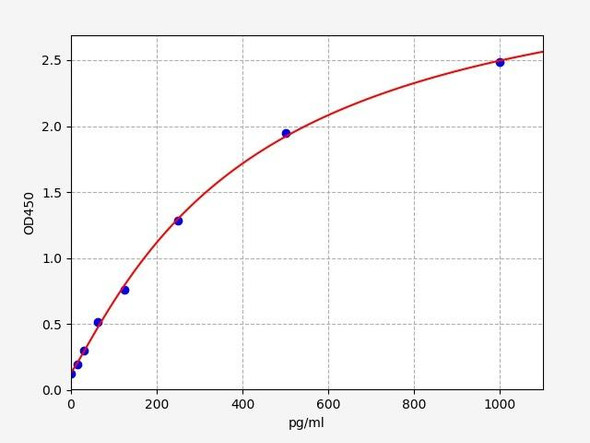

Human CAT (Catalase) ELISA Kit (HUFI07676)
- Product Code:
- HUFI07676
- Detection Method:
- Sandwich ELISA, Double Antibody
- Sensitivity:
- 9.375 pg/mL
- Range:
- 15.625-1000 pg/mL


Human MICA ELISA Kit (HUFI00015)
- Product Code:
- HUFI00015
- Detection Method:
- Sandwich ELISA, Double Antibody
- Sensitivity:
- 46.875 pg/mL
- Range:
- 78.125-5000 pg/mL

Fatty Acid Oxidation (FAO) Assay Kit (BR00001)
- Product Code:
- BR00001
- Instrument:
- Microplate Reader

Anti-Mouse IFNAR-1 In Vivo Antibody - Low Endotoxin (IVMB0202)
- Product Code:
- IVMB0202
- Antibody Type:
- Functional-Grade In Vivo Antibody
- Clone:
- MAR1-5A3
- Protein:
- IFNAR1
- Isotype:
- Mouse IgG1

Anti-Mouse CD25 In Vivo Antibody - Low Endotoxin (IVMB0148)
- Product Code:
- IVMB0148
- Antibody Type:
- Functional-Grade In Vivo Antibody
- Clone:
- PC61
- Protein:
- CD25
- Isotype:
- Rat IgG1 lambda

Anti-Mouse NK1.1 In Vivo Antibody - Low Endotoxin (IVMB0100)
- Product Code:
- IVMB0100
- Antibody Type:
- Functional-Grade In Vivo Antibody
- Clone:
- PK136
- Protein:
- NK1.1
- Isotype:
- Mouse IgG2a kappa
![Anti-Mouse PD-1 (CD279) [RMP1-14] In Vivo Antibody - Low Endotoxin](https://cdn11.bigcommerce.com/s-h68l9z2lnx/images/stencil/590x590/products/214372/569320/anti-mouse-pd-1-cd279-rmp1-14-in-vivo-antibody-low-endotoxin__18202.1743527968.jpg?c=2 "Anti-Mouse PD-1 (CD279) [RMP1-14] In Vivo Antibody - Low Endotoxin")
Anti-Mouse PD-1 Antibody [RMP1-14] In Vivo-Low Endotoxin (IVMB0037)
- Product Code:
- IVMB0037
- Antibody Type:
- Functional-Grade In Vivo Antibody
- Clone:
- RMP1-14
- Protein:
- PD-1
- Isotype:
- Rat IgG2a kappa


LSAMP Rabbit Polyclonal Antibody (CAB14248)
- Product Code:
- CAB14248
- Antibody Type:
- Polyclonal Antibody
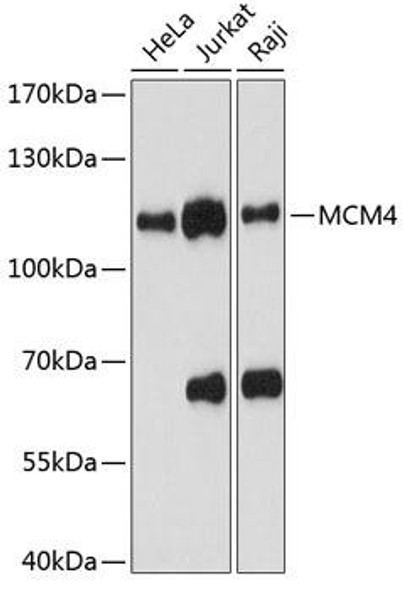
MCM4 Rabbit Polyclonal Antibody (CAB13513)
- Product Code:
- CAB13513
- Antibody Type:
- Polyclonal Antibody

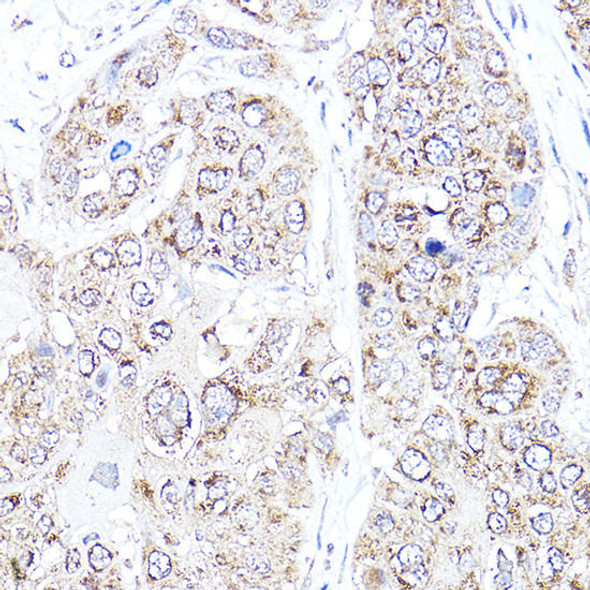
VEGF Rabbit Polyclonal Antibody (CAB12303)
- Product Code:
- CAB12303
- Antibody Type:
- Polyclonal Antibody

MDA ELISA Kit (UNFI0048)
- Product Code:
- UNFI0048
- Detection Method:
- Competitive ELISA, Coated with Antigen
- Sensitivity:
- 4.688 ng/mL
- Range:
- 7.813-500 ng/mL


Dopamine ELISA Kit (UNFI0013)
- Product Code:
- UNFI0013
- Detection Method:
- Competitive ELISA, Coated with Antigen
- Sensitivity:
- 0.938 ng/mL
- Range:
- 1.563-100 ng/mL

Serotonin ELISA Kit (UNFI0018)
- Product Code:
- UNFI0018
- Detection Method:
- Competitive ELISA, Coated with Antigen
- Sensitivity:
- 0.938 ng/mL
- Range:
- 1.563-100 ng/mL

PGE2 ELISA Kit (UNFI0032)
- Product Code:
- UNFI0032
- Detection Method:
- Competitive ELISA, Coated with Antigen
- Sensitivity:
- 18.75 pg/mL
- Range:
- 31.25-2000 pg/mL
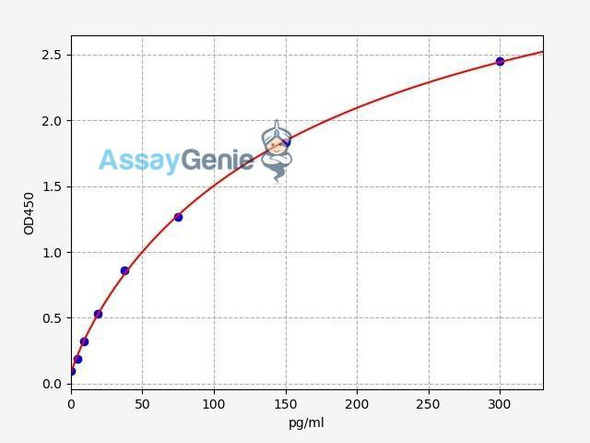
Human IL-6 ELISA Kit (HUFI00180)
- Product Code:
- HUFI00180
- Sensitivity:
- 2.813pg/ml
- Range:
- 4.688-300pg/ml
- ELISA Type:
- Sandwich
