
-
Osteoimmunology: The RANKL-OPG Axis & Bone Erosion(Page)
Hijacking the Skull's Gateways: A New 'Backdoor' for Brain Drug Delivery(Post)
For decades, the brain has been considered an immune sanctuary, protected by the formidable blood-brain barrier. This intricate defense system, while vital for safeguarding our most complex organ, ha
Bone Resorption: Process, Markers & Clinical Significance(Post)Unravel the complexities of bone resorption, a crucial biological process essential for skeletal health and calcium regulation, through the intricate roles of osteoclasts and osteoblasts. Ke
No Cytokine on This Pathway Touches Bone(Post)Not one immune cytokine on this pathway touches bone. TNF, IL-1β, IL-6 and IL-17A all act on osteoblasts, osteocytes and synovial fibroblasts, and it is those stromal cells that decide between RANKL
Bone Morphogenetic Proteins (BMP) – Review(Post)Bone Morphogenetic Proteins (BMP) were first discovered in the 1960s by Dr.Marshall Urist, an orthopaedic surgeon at UCLA (Urist 1965). BMPs are classically associated with their roles in limb
Bone Resorption Explained: Process, Markers, and Clinical Insights(Post)Bone Biology · BiomarkersBone Resorption: Process, Markers & Clinical SignificanceBone resorption is the process by which osteoclasts break down bone tissue and release its stored minerals into the bl
Stem Cells: What Are They and How They Can Help Treat Diseases(Post)Stem Cells: What are they and how they can help treat diseases Stem cells are a unique population of cells that possess the ability to self-renew and differentiate into specialized ce
Acute Lymphoblastic Leukaemia Review | Assay Genie(Post)Incidence rate of Acute Lymphoblastic Leukaemia Acute lymphoblastic leukaemia (ALL) is one of the most common malignant diseases diagnosed in children. It
Monocytes: An Overview (Post)Monocytes, as part of the innate immune system, act as the first line of defense against foreign invaders. One of their primary functions is phagocytosis, a crucial process in which they engulf
Myeloid Lineage: Pioneers of Immune Cell Production(Post)Immunology · HaematopoiesisMyeloid Lineage: Pioneers of Immune Cell DevelopmentThe myeloid lineage is one of the two great branches of haematopoiesis, generating the innate immune and blood cells — mo
An Overview of the glycoprotein GM-CSF(Post)This article breaks down the glycoprotein Granulocyte-macrophage colony-stimulating factor (GM-CSF) detailing its structure, function and therapeutic uses. It also describes its role in imm
Multiple Sclerosis and Stem Cells(Post)By Sonika Singh PhD candidate, University of Nottingham A Devastating Disease Multiple Sclerosis (MS) is a chronic and inflammatory disease based on
Trained Immunity: How Your Innate Immune System Learns and Remembers(Post)For decades, immunologists believed that only adaptive immunity—the sophisticated system of T cells and B cells—could form lasting memories of past infections. The innate immune system, our body's fir
Leukemia Inhibitory Factor (LIF)(Post)Leukemia Inhibitory Factor (LIF) is a cytokine that plays a crucial role in various physiological processes within the human body. It has gained significant attention in the field of
Ulocuplumab: Targeting CXCR4 in Cancer Research and Beyond(Post)Quick Facts About UlocuplumabWhat is Ulocuplumab?Ulocuplumab is an investigational monoclonal antibody targeting CXCR4, a chemokine receptor involved in tumor progression and immune cell
Mesenchymal Stem Cells: Navigating the Frontiers of Regenerative Medicine(Post)Mesenchymal stem cells (MSCs) have emerged as pivotal players in the realm of regenerative medicine due to their unique properties and versatile potential. Originally discovered in the bone marrow
Leukocytes : Basics to Diseases(Post)Only 1% of our blood is made up of white blood cells, but they have a significant impact. Alternatively referred to as leukocytes, white blood cells. We are shielded from disease and
Granulocytes: Neutrophils, Eosinophils, Basophils & Mast Cells(Post)Immunology · Myeloid CellsGranulocytes: Neutrophils, Eosinophils and BasophilsGranulocytes are the leukocytes with cytoplasmic granules and lobed nuclei — neutrophils, eosinophils and basophils. They
Comprehensive Guide to Mononuclear Cells(Post)Immunology · Cell IsolationPeripheral Blood Mononuclear Cells (PBMCs): Composition, Isolation and UseMononuclear cells are the leukocytes with a single, unlobed nucleus — lymphocytes and monocytes. Is
B Cells: Function, Types, Activation & Role in Immunity(Post)B Cell Types, Antigen Recognition & Activation A comprehensive guide to B cells! Introduction B cells, a vital component of the immune system, play
Featured
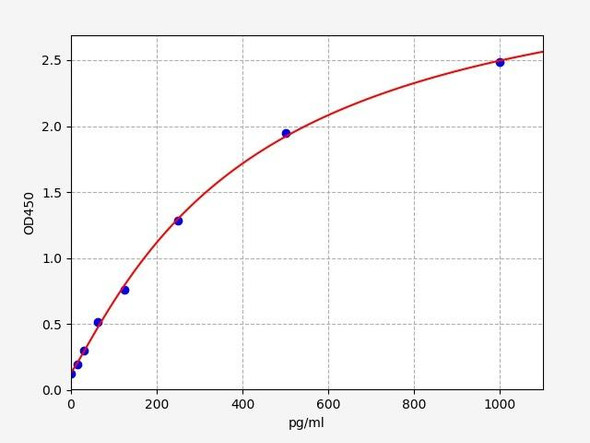

Human CAT (Catalase) ELISA Kit (HUFI07676)
- Product Code:
- HUFI07676
- Detection Method:
- Sandwich ELISA, Double Antibody
- Sensitivity:
- 9.375 pg/mL
- Range:
- 15.625-1000 pg/mL


Human MICA ELISA Kit (HUFI00015)
- Product Code:
- HUFI00015
- Detection Method:
- Sandwich ELISA, Double Antibody
- Sensitivity:
- 46.875 pg/mL
- Range:
- 78.125-5000 pg/mL

Fatty Acid Oxidation (FAO) Assay Kit (BR00001)
- Product Code:
- BR00001
- Instrument:
- Microplate Reader

Anti-Mouse IFNAR-1 In Vivo Antibody - Low Endotoxin (IVMB0202)
- Product Code:
- IVMB0202
- Antibody Type:
- Functional-Grade In Vivo Antibody
- Clone:
- MAR1-5A3
- Protein:
- IFNAR1
- Isotype:
- Mouse IgG1

Anti-Mouse CD25 In Vivo Antibody - Low Endotoxin (IVMB0148)
- Product Code:
- IVMB0148
- Antibody Type:
- Functional-Grade In Vivo Antibody
- Clone:
- PC61
- Protein:
- CD25
- Isotype:
- Rat IgG1 lambda

Anti-Mouse NK1.1 In Vivo Antibody - Low Endotoxin (IVMB0100)
- Product Code:
- IVMB0100
- Antibody Type:
- Functional-Grade In Vivo Antibody
- Clone:
- PK136
- Protein:
- NK1.1
- Isotype:
- Mouse IgG2a kappa
![Anti-Mouse PD-1 (CD279) [RMP1-14] In Vivo Antibody - Low Endotoxin](https://cdn11.bigcommerce.com/s-h68l9z2lnx/images/stencil/590x590/products/214372/569320/anti-mouse-pd-1-cd279-rmp1-14-in-vivo-antibody-low-endotoxin__18202.1743527968.jpg?c=2 "Anti-Mouse PD-1 (CD279) [RMP1-14] In Vivo Antibody - Low Endotoxin")
Anti-Mouse PD-1 Antibody [RMP1-14] In Vivo-Low Endotoxin (IVMB0037)
- Product Code:
- IVMB0037
- Antibody Type:
- Functional-Grade In Vivo Antibody
- Clone:
- RMP1-14
- Protein:
- PD-1
- Isotype:
- Rat IgG2a kappa


LSAMP Rabbit Polyclonal Antibody (CAB14248)
- Product Code:
- CAB14248
- Antibody Type:
- Polyclonal Antibody
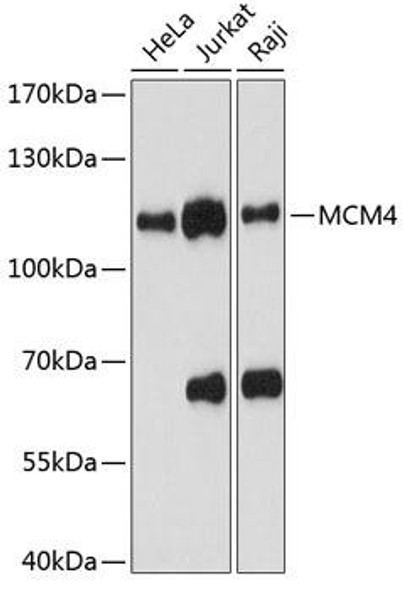
MCM4 Rabbit Polyclonal Antibody (CAB13513)
- Product Code:
- CAB13513
- Antibody Type:
- Polyclonal Antibody

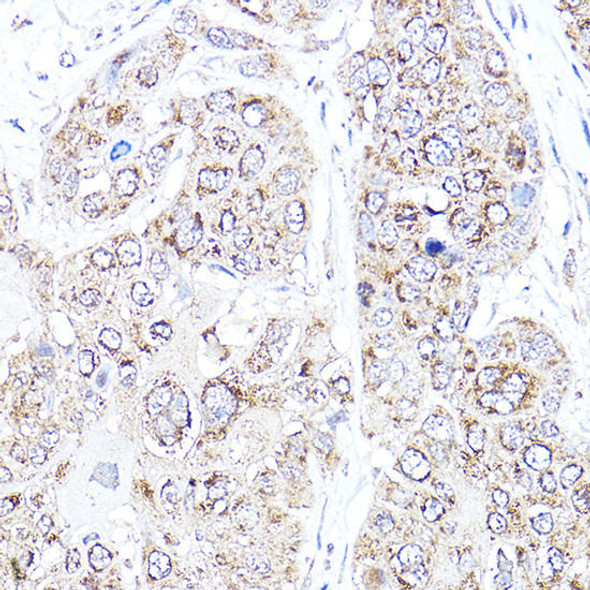
VEGF Rabbit Polyclonal Antibody (CAB12303)
- Product Code:
- CAB12303
- Antibody Type:
- Polyclonal Antibody

MDA ELISA Kit (UNFI0048)
- Product Code:
- UNFI0048
- Detection Method:
- Competitive ELISA, Coated with Antigen
- Sensitivity:
- 4.688 ng/mL
- Range:
- 7.813-500 ng/mL


Dopamine ELISA Kit (UNFI0013)
- Product Code:
- UNFI0013
- Detection Method:
- Competitive ELISA, Coated with Antigen
- Sensitivity:
- 0.938 ng/mL
- Range:
- 1.563-100 ng/mL

Serotonin ELISA Kit (UNFI0018)
- Product Code:
- UNFI0018
- Detection Method:
- Competitive ELISA, Coated with Antigen
- Sensitivity:
- 0.938 ng/mL
- Range:
- 1.563-100 ng/mL

PGE2 ELISA Kit (UNFI0032)
- Product Code:
- UNFI0032
- Detection Method:
- Competitive ELISA, Coated with Antigen
- Sensitivity:
- 18.75 pg/mL
- Range:
- 31.25-2000 pg/mL
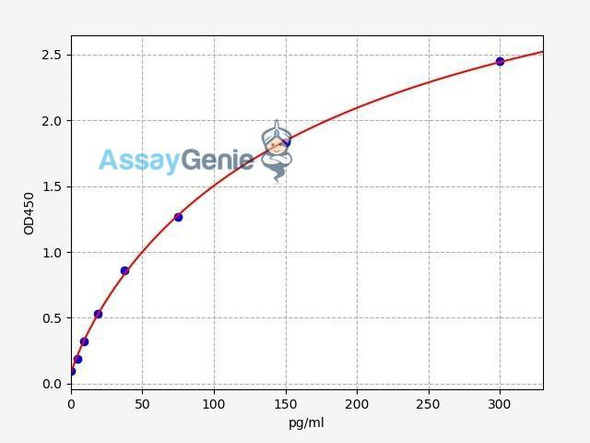
Human IL-6 ELISA Kit (HUFI00180)
- Product Code:
- HUFI00180
- Sensitivity:
- 2.813pg/ml
- Range:
- 4.688-300pg/ml
- ELISA Type:
- Sandwich
